How to Evaluate Landscape Design Plans and Project Results
Landscape design project results should match the approved plan, site needs, budget priorities, and maintenance goals. At LandscaperIssaquahwa.com, we review plans and finished work by comparing design intent with visible function, plant health, materials, drainage, and long-term care needs.
Written by Adam Gorski · 29 years of local experience
Request an Estimate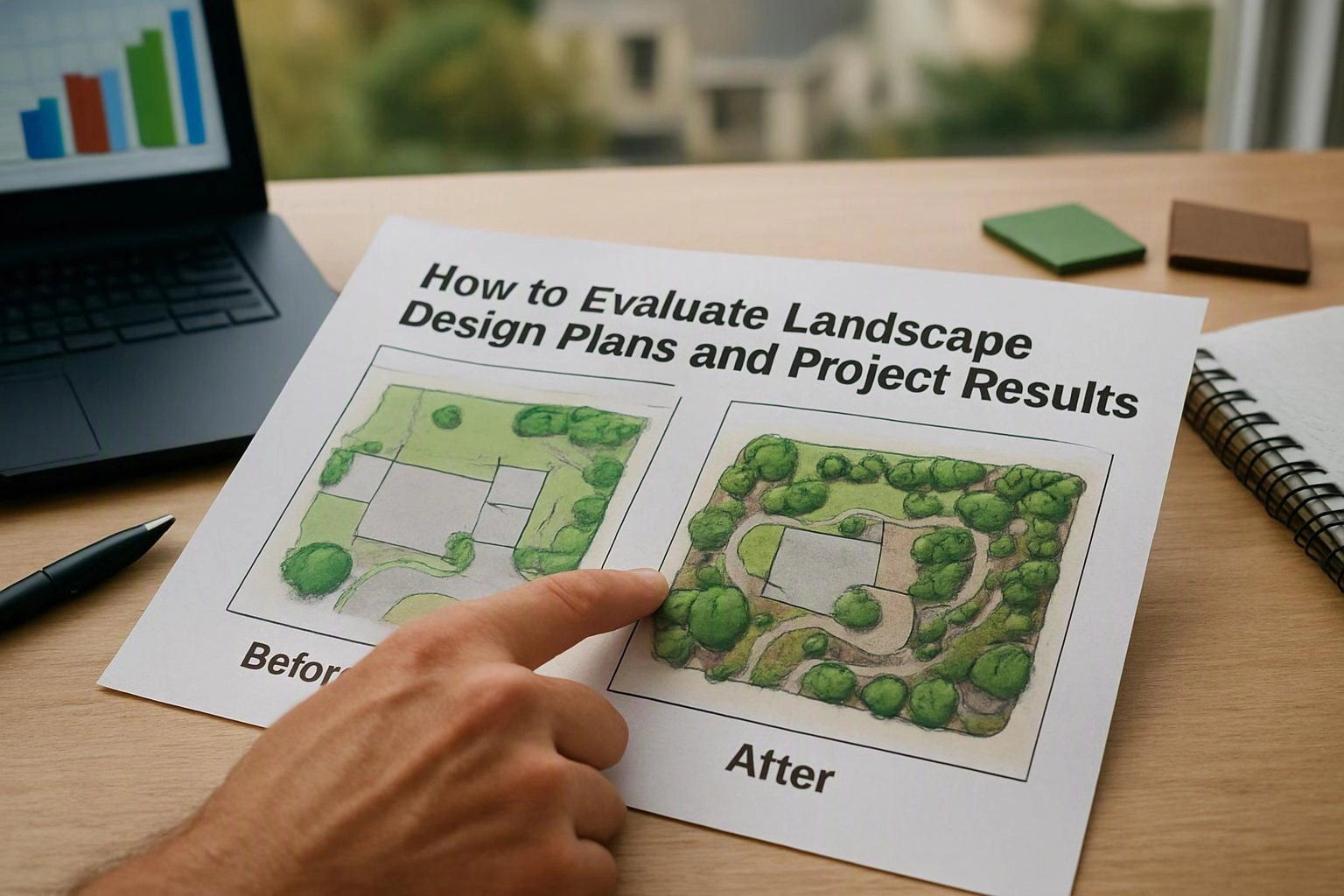
Author: Adam Gorski shares practical guidance for reviewing landscape plans and completed outdoor spaces.
What Should a Landscape Design Plan Show?
A landscape design plan should show how the proposed layout, materials, plants, drainage, and maintenance needs fit the site.
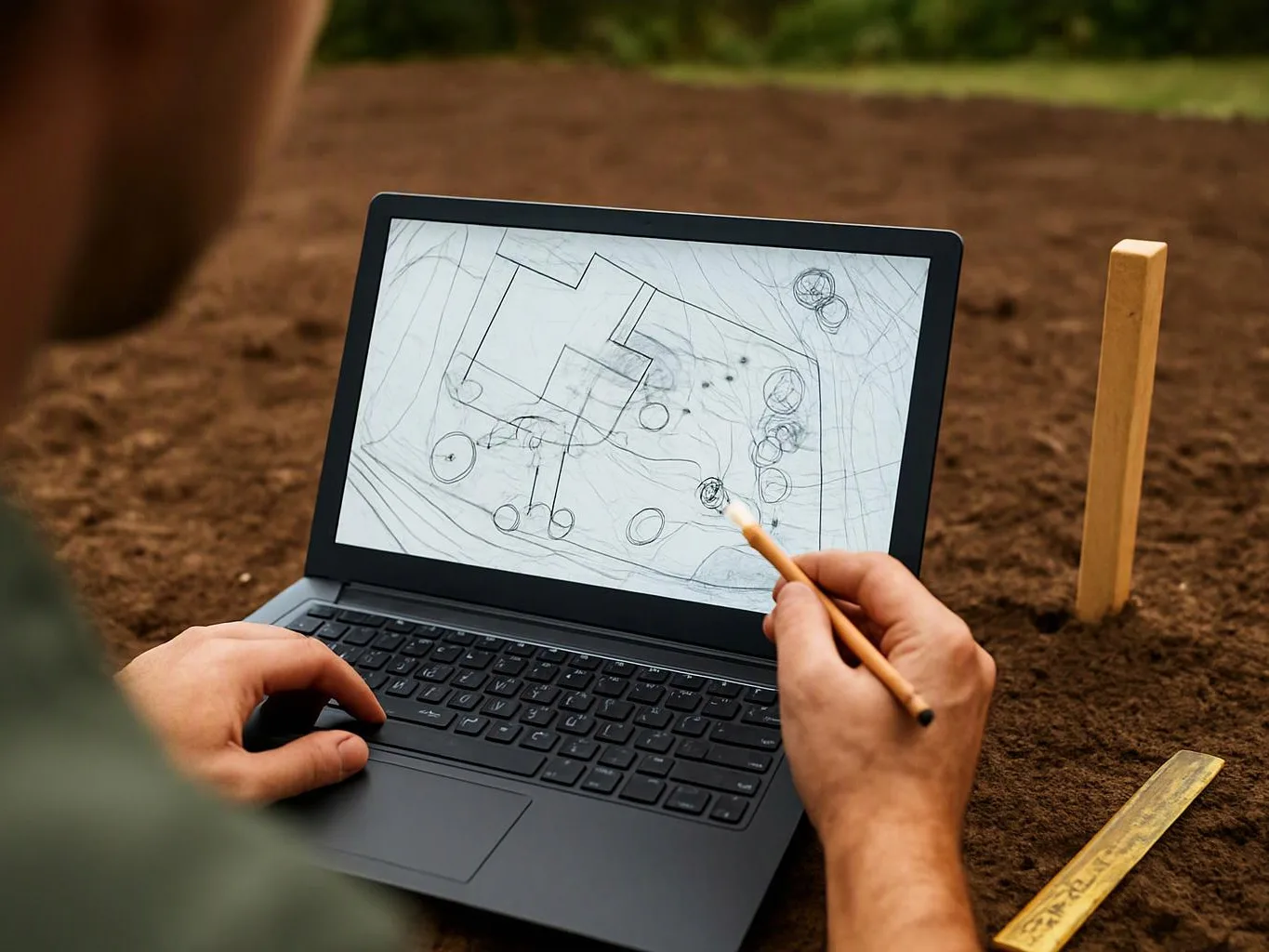
A complete landscape design plan connects the property, project goals, and construction details. We look for clear drawings that explain what will be built and how each part will function.
A useful plan may include a site plan, planting plan, hardscape plan, grading plan, drainage plan, and irrigation plan. These drawings should show plant locations, walkways, patios, retaining walls, water movement, and irrigation zones.
We also check whether the plan reflects soil conditions, sun exposure, property use, and material durability. A landscape blueprint should make the design intent clear before work begins.
How Do You Compare a Plan With the Finished Landscape?
Compare the approved plan with the finished landscape by checking layout, materials, plant health, water movement, and daily use.
Our team compares the approved plan with as-built conditions from the completed project. We focus on visible results and on details that affect long-term performance.
Design revisions can change the finished landscape, so we review approved updates as well. A sound comparison considers construction quality and site function, not appearance alone.
What Should You Look for in Landscape Project Photos?
Landscape project photos should show the original site, completed work, useful details, and results across more than one growth stage.
Before-and-after photos help you compare the starting conditions with the finished landscape. Look for consistent views that show how the design changed the property.
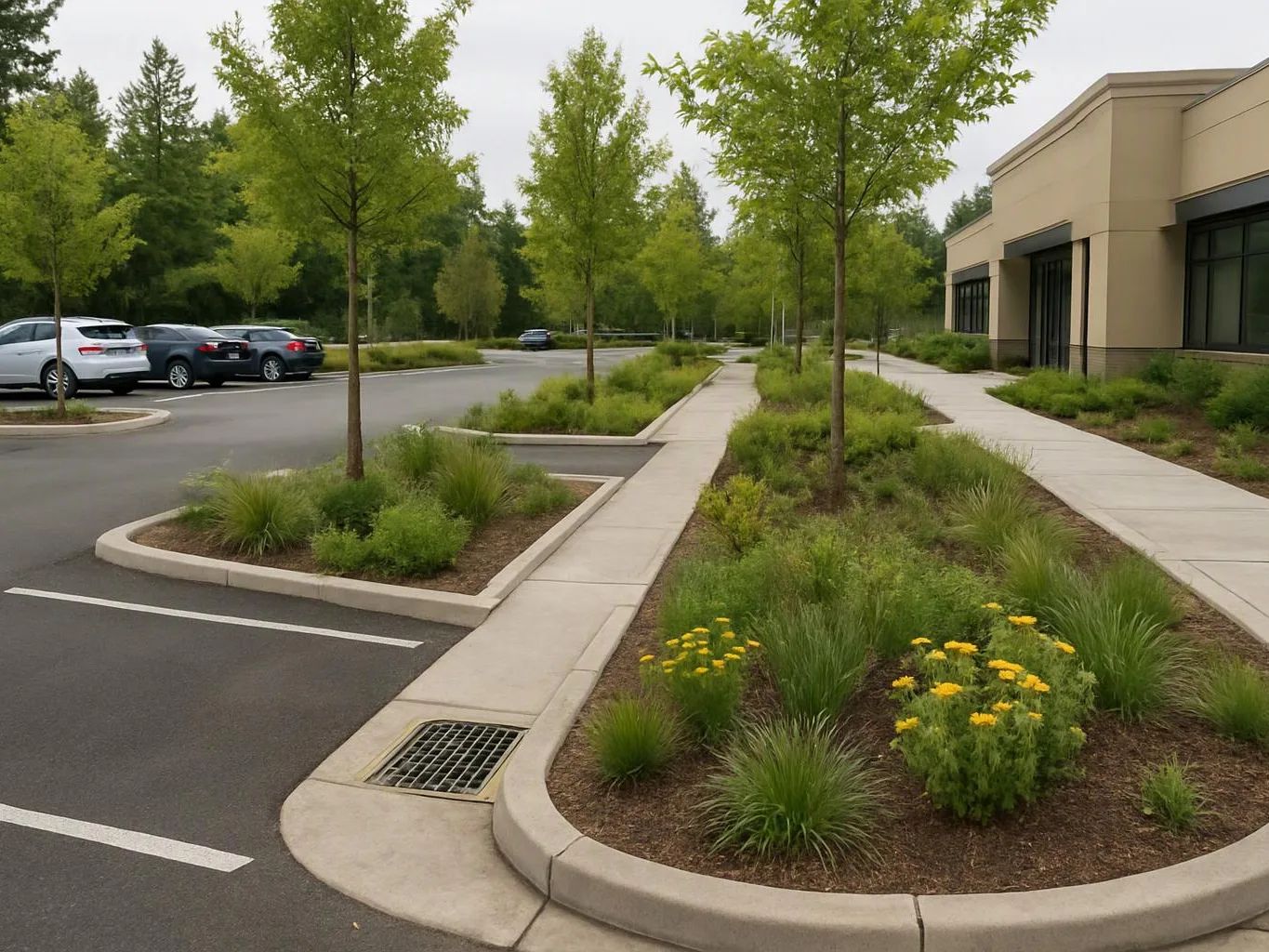
A strong project portfolio includes site context, planting beds, hardscape detail, drainage features, and the relationship between built areas and plants. Close images can show workmanship, but wide images show usability and visual balance.
Photos taken after plant establishment can reveal plant maturity, spacing, and long-term performance. Photo documentation should help you judge the whole outdoor space, not just its best angle.
When Do Landscape Design and Installation Work Best Together?
Landscape design and installation work best together when the project needs one connected plan from site review through construction.
We often see the greatest value when the landscape designer and landscaper coordinate early. A connected design-build process keeps the plans, materials, site work, and care needs aligned.
Our team uses the project goals to connect design decisions with practical site work. This approach can reduce confusion when the project moves from drawings to construction.
How Do Landscape Design and Installation Work Together?
Landscape design sets the project direction, and landscape installation turns that direction into site work.
During design development, we clarify property use, plant selection, hardscape materials, grading, drainage, irrigation, and lighting. Construction documents then give the installation team a clear guide.
The installation sequence follows the project scope. Site preparation and grading usually need to support drainage before planting and finish work can proceed.
Material selection also affects construction quality and maintenance. Our team coordinates site conditions, deliveries, installation details, and landscape maintenance needs so the finished landscape works as a connected system.
How Are Landscape Design and Installation Connected?
Landscape design and installation connect through site review, constructible plans, coordinated work, and a quote based on the project scope.
Our team links the early site assessment to the final installation plan. Each step can affect the work that follows and the cost drivers included in the project quote.
We explain what the quote includes before work begins. Request an exact quote through our contact page after the site and project scope are reviewed.
How Should Maintenance Shape Your Landscape Evaluation?
Maintenance should shape landscape evaluation because a successful design must remain healthy and usable after installation.
Landscape maintenance includes plant care, irrigation maintenance, pruning, seasonal care, weed control, and water management. We review whether the design makes these tasks practical.
Plant selection should match the site and the available level of care. Crowded beds, difficult access, poor irrigation coverage, and weak drainage can create problems even when the finished landscape looks attractive.
Long-term landscape performance depends on plant health, water use, material durability, and regular attention. A strong maintenance plan protects usability and keeps the design aligned with its original goals.
What Should You Ask Before Hiring a Landscape Designer?
Ask the landscape designer how the team will assess the site, document the design, manage revisions, coordinate installation, and plan maintenance.
Good questions focus on decisions that affect the finished landscape. They also show whether the proposed design fits your property and project goals.
Ask how the site assessment will cover soil conditions, sun exposure, drainage, access, and existing features. Ask how plant selection will support plant health, water use, and seasonal care.
Ask what the installation scope includes and how the installation sequence will be coordinated. You should also ask how design revisions, material choices, project communication, and the maintenance plan will be handled.
Our landscape designer guidance explains how planning connects with practical outdoor construction. We use those same connections when reviewing a proposal and preparing the work.
How We Review Landscape Design Plans and Results
LandscaperIssaquahwa.com reviews landscape plans and finished work by connecting the design intent with site conditions, construction details, and future care.
Our landscape design review starts with the project goals and the approved plan. We then compare the proposed work with grading, drainage, plant selection, hardscape materials, irrigation, and daily use.
We inspect the finished landscape for construction quality, visual balance, plant health, water movement, and maintenance needs. Photos can support the review, but they don't replace attention to site function.
This connected approach helps buyers judge a landscape project outcome on more than appearance. It shows whether the completed outdoor space can perform well as plants mature and maintenance continues.
When you’re ready to discuss a landscape design review or project scope, our team can help connect the plan, site work, and future care.
Related Resources
Landscape Architect, Designer, or Design-Build Company: Which Should You Hire?
Compared ToLandscape Design-Build vs. Hiring a Designer and Contractor Separately
Compared ToHow to Prepare for a Landscape Contractor Quote and Compare Proposals
When You Need ItSigns Your Garden Needs More Than Routine Maintenance