Signs Your Sprinkler System Needs Repair
Sprinkler system problems often show as leaking heads, wet lawn areas, low pressure, uneven coverage, or heads that won't shut off. LandscaperIssaquahwa.com checks the system, identifies the failed part, and explains the repair needed.
Written by Adam Gorski · 29 years of local experience
Request an EstimateWhat Are the Warning Signs of Sprinkler System Problems?
Sprinkler system problems show through leaks, weak spray, dry areas, flooding, and heads that keep running. These signs often point to a failed part in the sprinkler system or its controls.
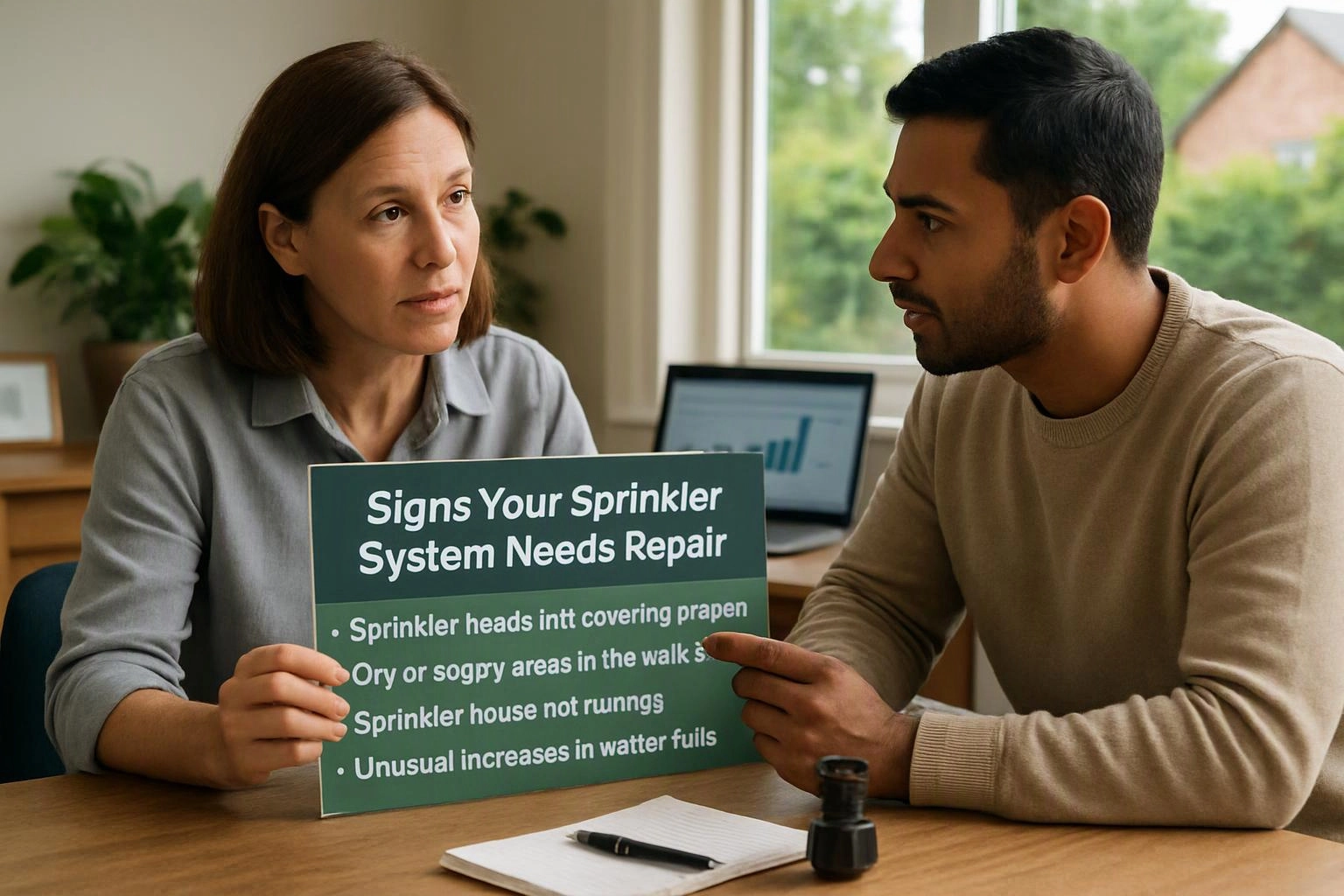
Some symptoms overlap, so one visible problem may have more than one cause. Our team traces the symptom through the sprinkler head, valve, controller, and irrigation pipe before recommending sprinkler repair.
What Does a Wet Spot Mean When the Sprinklers Are Off?
A wet spot when sprinklers are off often points to a leaking valve, pipe, or sprinkler head. The water may come from an underground irrigation pipe, even when the surface damage looks small.
A leaking sprinkler valve can allow water to move through the zone after the cycle ends. A pipe leak can spread water through soil before it reaches the lawn. Poor drainage can also hold water in one area, so we check drainage and water pressure during the inspection.
Water pooling, soft soil, plant growth in one patch, or a sudden wet lawn can support a leak diagnosis. Our team checks the nearby heads and irrigation zone to separate a sprinkler leak from a drainage problem.
Why Is Sprinkler Pressure Low or Coverage Uneven?
Low sprinkler pressure can come from a clogged nozzle, damaged pipe, failing valve, or several heads sharing restricted flow. Low water pressure reduces the spray pattern and leaves some areas dry while the sprinklers run.
A clogged nozzle or sprinkler filter can limit water flow at one head. A broken sprinkler head may spray near the base instead of reaching the intended area. A damaged irrigation pipe can also reduce pressure across an entire irrigation zone.
Uneven sprinkler coverage may come from poor head alignment or overlapping spray that misses part of the lawn. We compare the weak spray with nearby heads and test the zone to identify the source.
What Can You Check Yourself, and When Should We Repair It?
You can safely check visible heads and controller settings, while we should handle hidden leaks, valves, wiring, and system diagnosis. A simple visual check can provide useful information without disturbing underground parts.
Stop the system if water is rapidly pooling or flowing where it shouldn't. Contact our team when the cause isn't visible or when the system still fails after a basic settings check.
| Factor | What you can do yourself | What we do |
|---|---|---|
| Visible sprinkler head | Look for damage, blockage, overspray, or poor alignment. | We test the head, check its spray pattern, and recommend cleaning or head replacement. |
| Controller settings | Check whether the correct irrigation zone is selected and scheduled. | We inspect the sprinkler controller and correct settings or wiring faults. |
| Nozzle or filter | Note weak spray or a blocked nozzle without forcing parts loose. | We inspect the nozzle and sprinkler filter, then restore proper water flow. |
| Irrigation valve | Note whether a zone keeps running or fails to start. | We test the valve and repair or replace the failed component. |
| Underground leak | Mark wet spots, soft soil, and unusual water pooling. | We trace the leak and repair the affected irrigation pipe. |
How We Diagnose Sprinkler System Problems
We inspect each irrigation zone, trace the symptom, and identify the component causing the failure. Our sprinkler system inspection starts with the visible symptoms and follows the water flow through the system.
We review the sprinkler controller and run the affected zones. We watch for weak spray, continuous water flow, poor sprinkler coverage, and heads that fail to shut off.
Our team checks water pressure, sprinkler valves, irrigation pipes, and sprinkler heads. This zone diagnosis helps us separate a clogged nozzle from a deeper leak or control problem.
When the repair involves wiring or hidden components, we handle the diagnosis carefully and keep the repair within the system's safe operating requirements. For more information about our approach, see our Sprinkler Repair service.
What Does Sprinkler Repair Include?
Sprinkler repair may include replacing damaged heads, correcting valves, fixing pipe leaks, or adjusting system controls. The repair depends on which component caused the symptom.
Our team may complete sprinkler head replacement when a head leaks, breaks, or sprays outside the intended area. We may also replace a clogged or damaged nozzle when cleaning won't restore the spray pattern.
Sprinkler valve repair can restore proper water flow and shutoff. Irrigation pipe repair addresses underground leaks, while controller adjustment helps each irrigation zone run as intended.
We explain what failed, what the repair includes, and how the change should improve sprinkler coverage. The condition of the pipe, valve, head, wiring, and controller affects the work included in the quote.
How Do You Know the System Is Working Properly After Repair?
A repaired sprinkler system should run without visible leaks, reach intended areas, and shut off correctly. Proper water pressure should produce a steady spray pattern across the irrigation zone.
We check sprinkler head alignment and watch for overspray, weak spray, and water pooling. We also confirm that the controller cycle starts the correct zone and ends without continuous water flow.
Leak detection continues during system testing because a repaired head can reveal pressure or pipe problems nearby. The final check focuses on sprinkler coverage, shutoff, and even watering across the intended lawn.
Author: Adam Gorski
When leaks, dry grass, low pressure, or a stuck head keep returning, our team can inspect the system and explain the next repair step.