Designing a Landscape for Lower Maintenance and Smarter Water Use
Low-maintenance, water-efficient landscape design uses climate-suitable plants, efficient irrigation zones, healthy soil, and practical layouts. At LandscaperIssaquahwa.com, we connect planting design, drought-tolerant landscaping, and sprinkler work into one plan.
Written by Adam Gorski · 29 years of local experience
Request an Estimate
Adam Gorski provides practical guidance on landscape planning, plant selection, and irrigation coordination.
What Makes a Landscape Low Maintenance and Water Efficient?
Low-maintenance landscape design matches plants, soil, irrigation, and layout to the site's needs.
Low-maintenance landscaping reduces repeated mowing, pruning, and weeding. Water-efficient landscaping also places water where plants can use it.
We review the landscape layout before choosing plants or irrigation equipment. A simple layout can improve access, reduce turf, and limit water runoff.
Plant selection matters because each plant has different water and care needs. Efficient irrigation then delivers water to the right planting areas.
How Plant Selection and Irrigation Work Together
Plant selection and irrigation work together when each zone serves plants with similar water needs.
Native plants often suit local growing conditions and can support native plant landscaping. Drought-tolerant plants can also reduce watering after plant establishment.
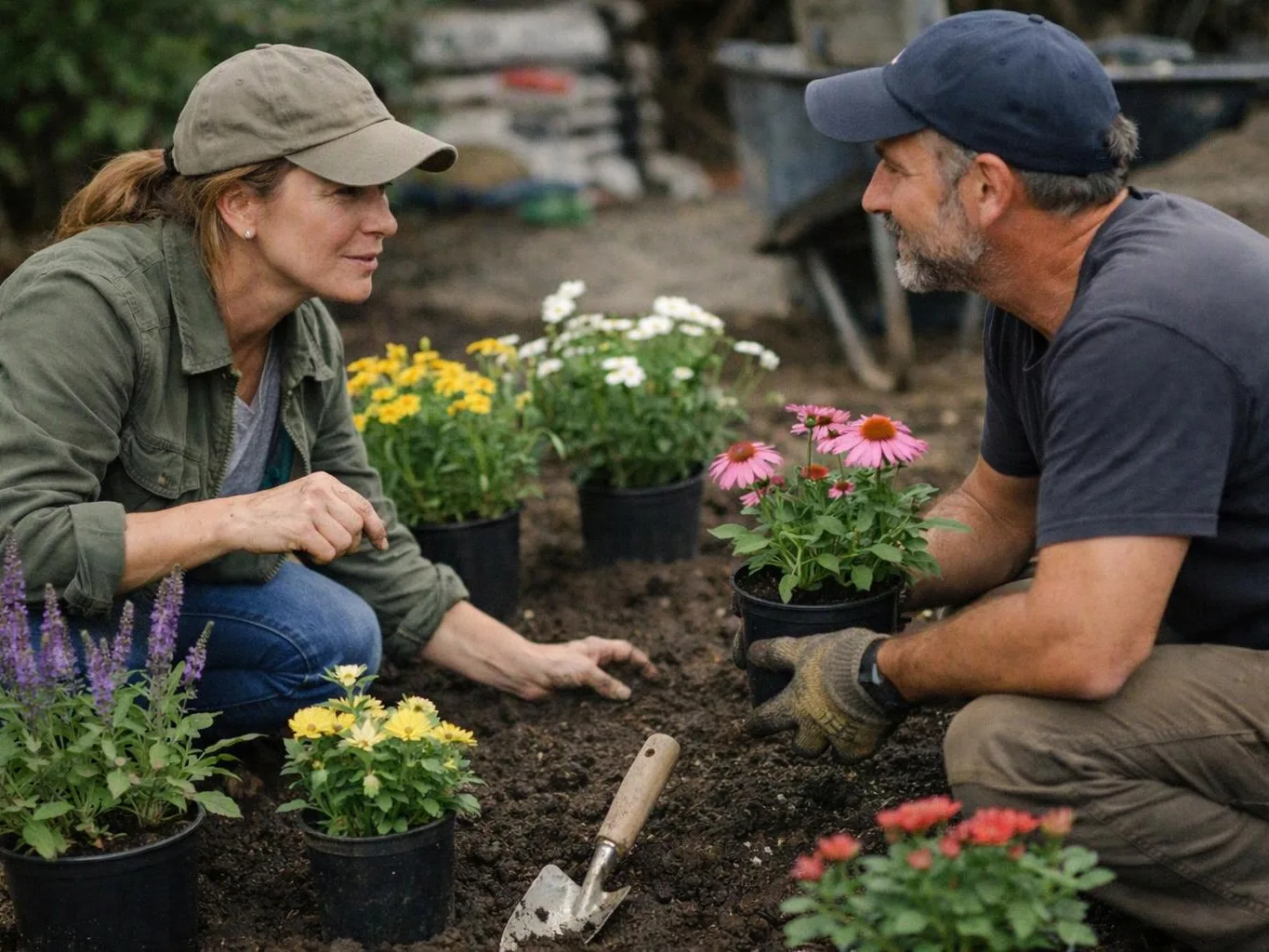
We group plants by sun exposure, shade tolerance, soil needs, and water demand. Our team then matches those groups to irrigation zones.
A sprinkler system may serve lawn areas, while drip irrigation can target planting beds and root zones. This approach improves sprinkler coverage and limits overspray.
Our guide to Drought-Tolerant Landscaping explains how low-water plants can fit a complete landscape plan.
When Planting Design and Sprinkler Work Belong Together
Planting design and sprinkler work belong together when new plants, changing water needs, or uneven coverage affect the same landscape.
These scenarios often call for coordinated planning:
How We Connect Plants, Soil, and Irrigation
Soil health supports strong roots and helps plants use available water.
We consider soil texture, compaction, and drainage before finalizing the planting plan. Soil improvement can help water move into the root zone without staying on the surface.
Mulch protects soil, reduces evaporation, and makes weeds easier to control. A suitable mulch layer should leave space around plant stems.
We also review slope and drainage areas. Good irrigation scheduling applies water at a pace the soil can absorb, which helps limit water runoff.
A Practical Process for Planning the Landscape
Our landscape planning process connects site conditions with water use and future landscape maintenance.
We use these steps to build a clear plan:
Which Landscape Choices Reduce Upkeep?
Landscape choices reduce upkeep when they match plant needs with site conditions and irrigation controls.
The comparison below shows how common design elements affect care and water use.
| Design element | Maintenance effect | Water-use effect |
|---|---|---|
| Native plants | Can fit local growing conditions and reduce intensive care. | Can support lower watering needs after establishment. |
| Drought-tolerant plants | Often need less routine watering once established. | Work well with targeted irrigation. |
| Lawn areas | Require regular mowing and edge care. | Need consistent sprinkler coverage. |
| Ground covers | Can cover open soil and limit some weeding. | Need irrigation suited to their spread and root zones. |
| Mulch | Helps control weeds and protects soil. | Helps soil hold moisture between watering cycles. |
| Irrigation controls | Make watering easier to adjust by zone. | Can reduce overspray and unnecessary watering. |
How Much Maintenance and Water Each Design Element Needs
Maintenance and water needs depend on plant choice, spacing, soil, lawn area, and irrigation control.
Mowing is tied to lawn size and layout. Pruning depends on plant growth, while weeding depends on soil exposure, mulch, and plant spacing.
Watering needs can change during plant establishment. We plan irrigation scheduling around root development, soil drainage, and seasonal maintenance.
A lower-maintenance landscape still needs observation. We adjust care when plants show stress, growth changes, or water does not reach the root zone.
Ways Planting Design and Sprinkler Services Work Together
Planting design and sprinkler services work together through coordinated planning, zone changes, and bundled site work.
Our team connects the project scope before work begins:
Project cost depends on the amount of planting, lawn work, soil preparation, and irrigation adjustment. Our quote explains the included work and separates the major parts of the project.
What We Check Before Recommending a Design
Our team checks sunlight, shade, soil drainage, slope, existing plants, sprinkler coverage, and maintenance goals.
Sunlight and shade guide plant selection and placement. Soil drainage shows where water may collect or move too quickly.
We inspect existing plants before removing or relocating them. We also review sprinkler coverage for dry areas, overspray, and blocked paths.
Your maintenance goals help shape the final layout. We use those goals to balance lawn areas, planting beds, pathways, mulch, and access.
Signs Your Landscape Needs a Better Water Plan
Dry spots, runoff, overspray, and uneven growth show that plant needs and irrigation coverage may not match.
Wilting plants can point to low flow, poor soil drainage, or a zone that runs at the wrong time. Broken sprinkler heads can create both dry areas and excess water nearby.
Uneven plant growth may show that plants have different water needs within one zone. We inspect coverage and root zones before recommending irrigation changes.
How to Plan the Next Landscape Improvement
A landscape consultation can connect planting design, drought-tolerant landscaping, sprinkler repair, and lawn installation into one project scope.
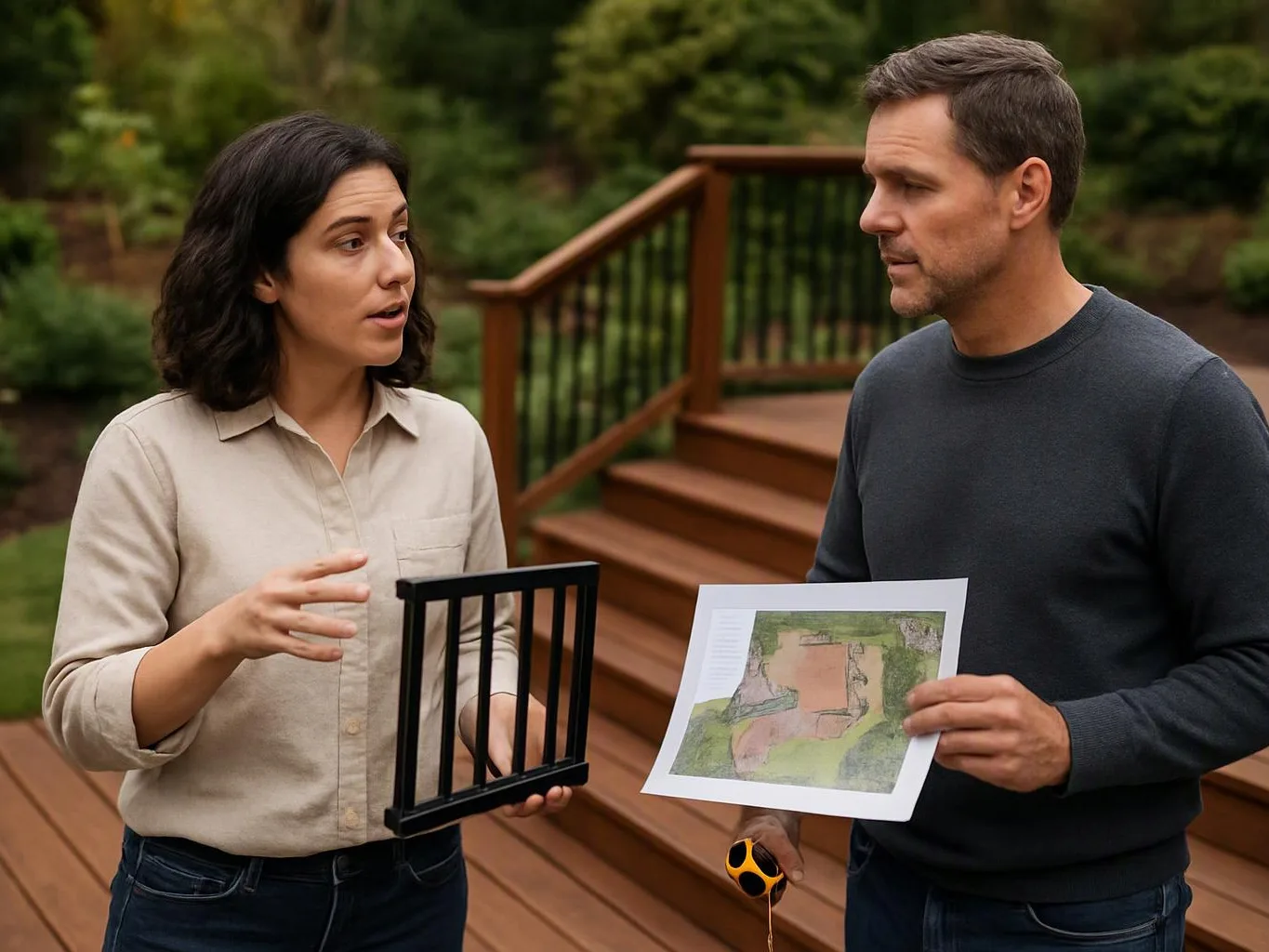
We start by reviewing the area you want to improve and the maintenance problems you want to solve. Our team then checks plant needs, soil conditions, drainage, and irrigation coverage.
Project quote details depend on the selected plants, lawn area, soil work, irrigation changes, access, and finish materials. Contact us through our contact page to discuss the design and request a quote.
Questions About Low-Maintenance Landscape Design
Are native plants always low maintenance?
Native plants aren't always low maintenance because site conditions and plant placement still matter. Sun exposure, soil drainage, spacing, and establishment care affect ongoing needs.
Can a water-efficient landscape still include lawn?
Yes, a water-efficient landscape can include lawn when lawn areas have suitable sprinkler coverage and clear irrigation zones. Keeping lawn in practical locations can also simplify mowing and access.
How does mulch help reduce landscape maintenance?
Mulch helps reduce landscape maintenance by covering exposed soil, limiting some weeds, and helping the soil hold moisture. Mulch also protects the root zone from changing surface conditions.
What should be checked when sprinkler coverage is uneven?
Uneven sprinkler coverage should be checked for broken heads, blocked flow, poor zone grouping, overspray, and plant water needs. Our team reviews those conditions before recommending sprinkler repair or irrigation redesign.