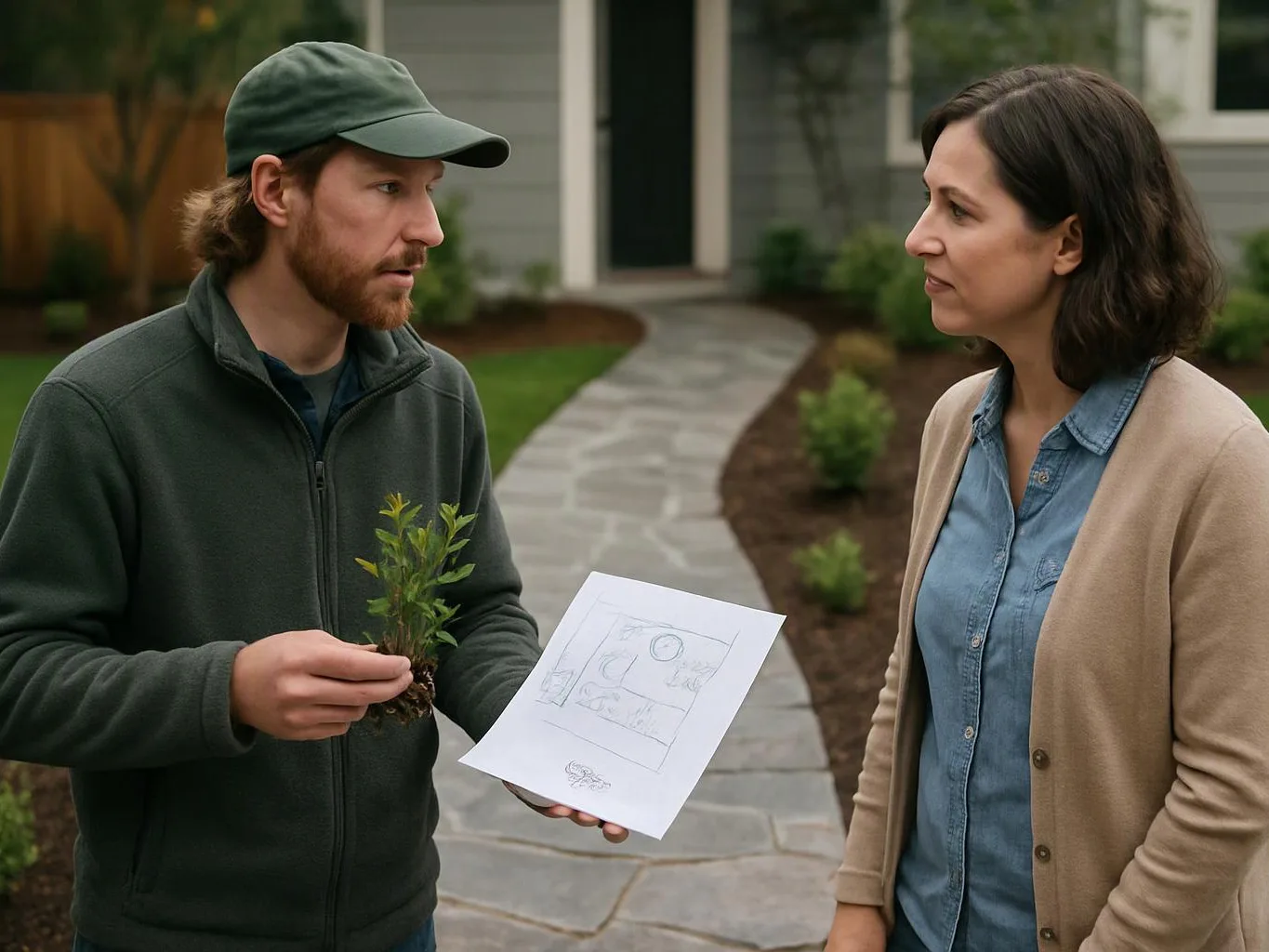
Signs Your Rain Garden Is Not Draining Properly
A rain garden isn't draining properly when water remains too long, the inlet is blocked, soil or mulch washes away, or plants decline. At LandscaperIssaquahwa.com, we check the inlet, basin, soil, outlet, and plant health to identify the drainage problem. Written by Adam Gorski.
Written by Adam Gorski · 29 years of local experience
Request an EstimateWhat Are the Signs of a Rain Garden That Isn't Draining?
A rain garden isn't draining properly when water stays in the basin, flow is blocked, soil erodes, or plants show stress.
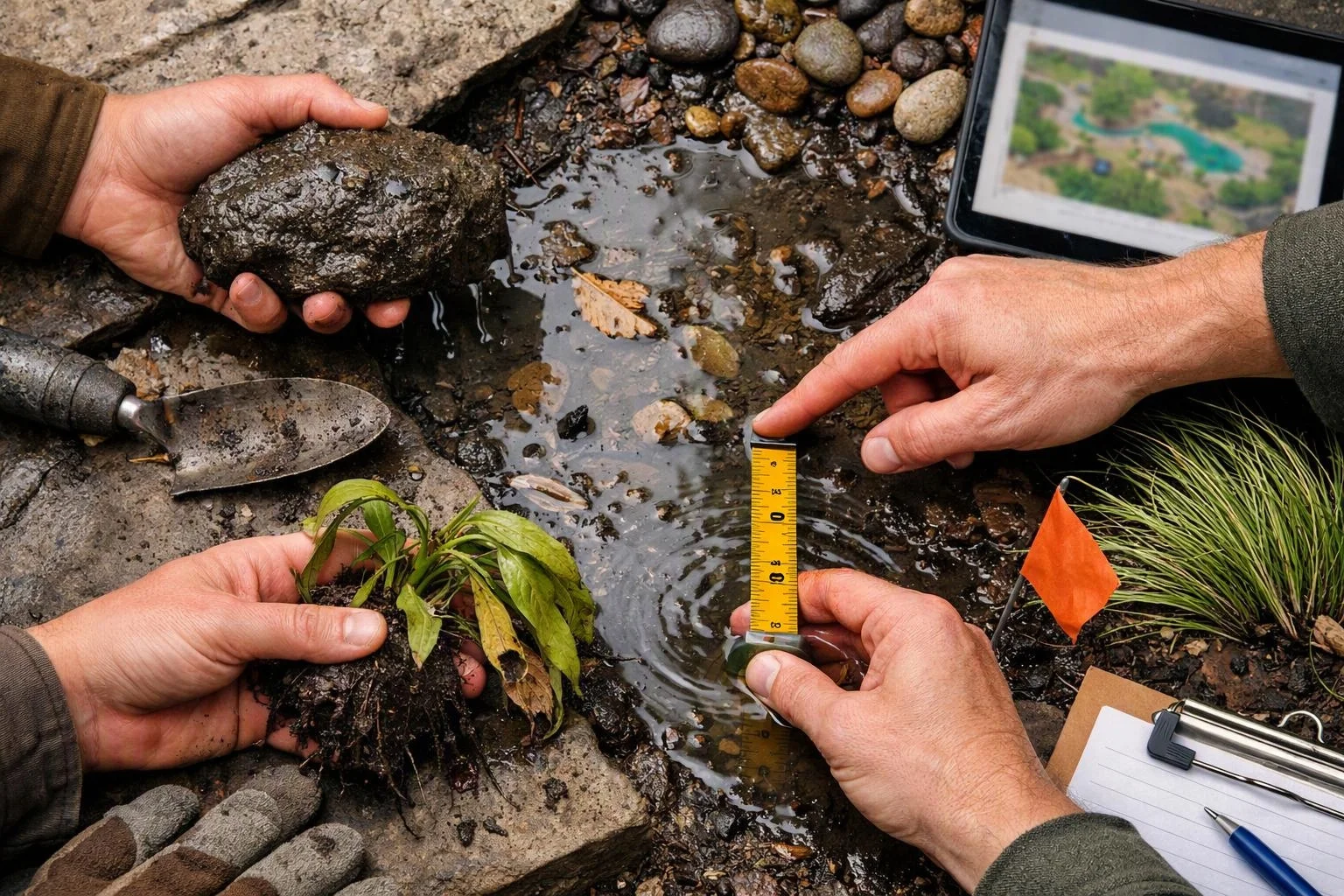
The overflow path is another warning area. Water that bypasses the basin or cuts a new channel may show that the garden cannot safely manage stormwater runoff.
Why Is Your Rain Garden Still Holding Water?
A rain garden can keep holding water when soil infiltration is poor, sediment fills the basin, or the inlet and outlet cannot move water freely.
Compacted soil has fewer open spaces for water to enter. Clay soil can also drain slowly because its fine particles limit movement through the root zone.
Sediment buildup can raise the basin floor and reduce its capacity. A blocked inlet may leave water outside the basin, while a restricted outlet can keep water trapped inside it.
What Happens When a Rain Garden Inlet Is Blocked?
A blocked rain garden inlet stops stormwater from entering the basin and can redirect flow around the planting area.
Debris and sediment can form a dam at the inlet. Water may then spread across paths, collect beside the basin, or cut through nearby soil.
The overflow path must remain clear and stable. We check whether the inlet sends water into the basin and whether overflow follows the planned route.
Why Are Soil and Mulch Eroding in Your Rain Garden?
Rain garden soil and mulch erode when incoming water moves too quickly or enters without enough surface protection.
High stormwater velocity can scour the inlet and create channels through the basin. Bare soil then becomes easier to wash away during later storms.
We look for poor grading, a concentrated inlet stream, and exposed plant roots. Deep-rooted native plants can help hold soil, but plant roots cannot correct every flow problem.
Why Are the Plants in Your Rain Garden Dying?
Rain garden plants can die when roots stay waterlogged, soil drains too quickly, or plant conditions do not match the basin.
Waterlogged soil limits air around the roots and can lead to root rot. A basin that drains too quickly can create drought stress between storms.
Plant health also depends on location within the basin. We consider moisture, soil condition, sunlight, and drainage when reviewing native plants.
How We Check a Rain Garden That Drains Poorly
A rain garden inspection follows water from the inlet through the basin and toward the outlet or overflow route.
Our drainage inspection connects visible symptoms to the part causing them. That helps us separate routine rain garden maintenance from work that needs basin or flow changes.
What You Can Do Yourself and What We Do
Rain garden maintenance can handle simple surface issues, while deeper drainage problems need a closer assessment.
The table shows where basic care ends and our team’s work begins.
| Factor | What you can do yourself | What we do |
|---|---|---|
| Debris removal | Remove loose leaves and small debris from visible areas. | Clear problem areas and check whether debris caused the flow change. |
| Inlet inspection | Look for obvious blockage from ground level. | Trace stormwater flow and inspect the inlet, basin entry, and nearby grade. |
| Soil compaction | Note areas that stay wet or look sealed. | Assess infiltration and determine whether soil work or basin changes are needed. |
| Drainage assessment | Watch where water collects during safe conditions. | Review the inlet, outlet, overflow path, soil, grading, and plant conditions together. |
| Rain garden installation | Avoid reshaping the basin without knowing where water should flow. | Plan and complete installation changes based on site conditions and drainage goals. |
When Should a Rain Garden Drainage Problem Be Corrected?
A rain garden drainage problem should be corrected when standing water, erosion, blocked flow, or plant decline keeps returning after basic debris removal.
Recurring overflow can damage nearby soil and redirect stormwater toward areas that cannot handle it. Repeated plant decline can also signal a deeper problem with basin grading or infiltration.
Early drainage correction helps protect the basin and keeps the rain garden working as a stormwater management feature.
How to Request Rain Garden Drainage Help
LandscaperIssaquahwa.com reviews the drainage symptoms, explains the needed work, and provides a project quote based on site conditions.
We can assess whether the project needs maintenance, drainage correction, native plant landscaping, or new rain garden installation services. The quote reflects the inlet, basin, soil, outlet, overflow route, and planting needs.
Request a site assessment and project quote so we can review the drainage problem with you.
Questions About Rain Garden Drainage
Can a rain garden drain too slowly because of clay soil?
Yes, clay soil can make a rain garden drain too slowly because water moves through fine soil particles gradually. We check infiltration, compaction, sediment, and basin conditions before recommending a correction.
Should I remove sediment from a rain garden?
Yes, you should remove sediment when buildup blocks the inlet, fills the basin, or changes the overflow route. We assess the sediment’s location and depth before deciding whether simple removal will solve the drainage problem.
Can dead plants cause rain garden drainage problems?
Dead plants usually signal a drainage problem instead of causing the main flow problem. Bare soil may erode more easily, so we check plant roots, water conditions, and soil stability together.
How do I know whether rain garden water is reaching the overflow path?
Rain garden water is reaching the overflow path when water leaves through the planned route without cutting new channels or bypassing the basin. We inspect the outlet, basin grade, and overflow path for flow marks and erosion.
Related Resources
Rain Gardens, French Drains, and Swales: Landscape Drainage Options
What Goes With ItHow Native Plants Can Support a More Functional Landscape
What Goes With ItDesigning a Landscape for Lower Maintenance and Smarter Water Use
Compared ToPlanting Design Only vs. Planting Design and Installation