How Native Plants Can Support a More Functional Landscape
Native plants support a more functional landscape by fitting local growing conditions, helping habitat, managing water, and reducing maintenance needs. At LandscaperIssaquahwa.com, we use plant selection and layout to connect these benefits with how each outdoor space should work.
Written by Adam Gorski · 29 years of local experience
Request an Estimate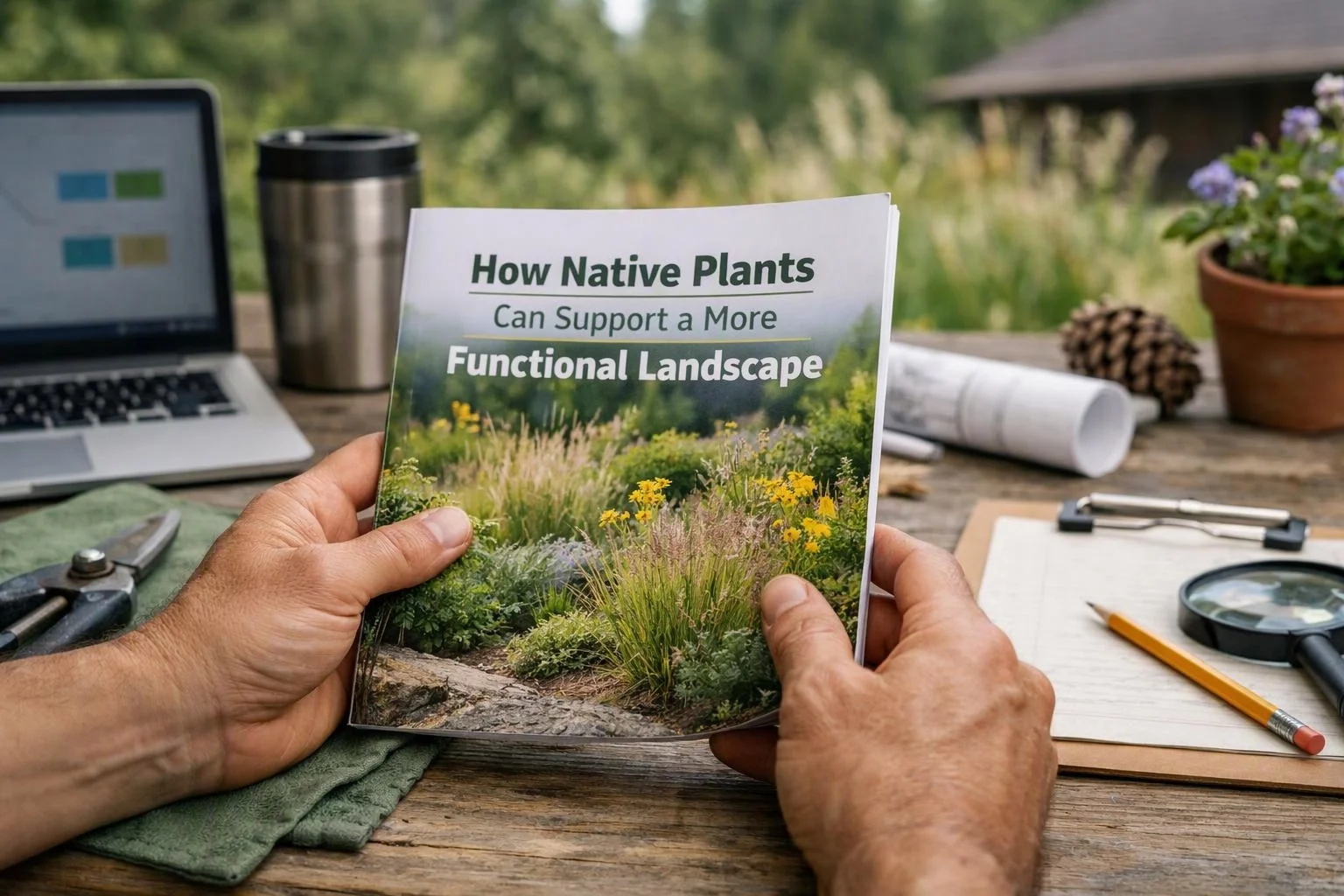
Author: Adam Gorski
What Makes a Landscape More Functional?
A functional landscape supports practical needs such as access, shade, drainage, habitat, and enjoyable outdoor use.
A functional landscape connects planting design with daily outdoor living. Paths should remain usable, planting beds should fit the garden design, and water should move safely through the property.
Good planning also considers habitat and water management. Plants can frame outdoor areas, soften hard surfaces, guide movement, and help protect soil.
How Native Plants Support Landscape Performance
Native plants support landscape performance by matching regional conditions and contributing to habitat, water management, and durable planting.
Native plants often fit local growing conditions more naturally than plants selected only for appearance. Their root systems can support soil health, while suitable plant choices can improve drought tolerance.
Native plantings also give pollinators and other wildlife useful food and shelter. When plants are grouped by water and maintenance needs, our team can create a more durable and manageable landscape.
Native Plant Benefits Across Key Landscape Functions
Native plant landscaping can serve several landscape functions at once. The best plant palette depends on soil, drainage, sun exposure, mature size, and the way you use the space.
| Landscape function | How native plants can help | Design consideration |
|---|---|---|
| Stormwater management | Plants can slow runoff and support infiltration. | Match rain garden plants to changing moisture levels. |
| Pollinator garden | Flowering plants can provide food across the seasons. | Use varied flowers, forms, and bloom periods. |
| Erosion control | Root systems can help hold soil in planting areas. | Place erosion-control plants where water moves across soil. |
| Privacy planting | Native shrubs and trees can create layered screening. | Allow room for mature size and natural form. |
| Seasonal interest | Plants can add flowers, seeds, texture, and winter structure. | Balance seasonal interest with access and care. |
| Low-maintenance landscaping | Well-matched plants can reduce replacement and extra watering needs. | Group plants with similar maintenance needs. |
These functions can overlap within one planting bed. Our planting design keeps the layout attractive while supporting water flow, habitat, access, and plant maintenance.
When Native Plant Landscaping and Drought-Tolerant Landscaping Work Together
Native plant landscaping and drought-tolerant landscaping work together when plant choice and water needs must support the same site goals.
Water-wise landscaping works best when plants are placed where their needs match the site. Our team also considers soil structure, runoff, and access before finalizing garden design.
How the Two Landscaping Approaches Work Together
The two approaches work together through site assessment, compatible plant selection, and a layout that groups plants by water and care needs.
These choices can also clarify the project quote. Scope changes with site preparation, access, plant type, irrigation needs, and installation requirements.
How to Choose Native Plants for a Functional Landscape
Choose native plants by matching each plant's growing needs with the site's conditions and the landscape's intended use.
Plant hardiness matters, but it isn't the only factor. A plant can be regionally suitable and still fail in compacted soil, deep shade, poor drainage, or a heavily used area.
How Native Plants Can Help Manage Stormwater
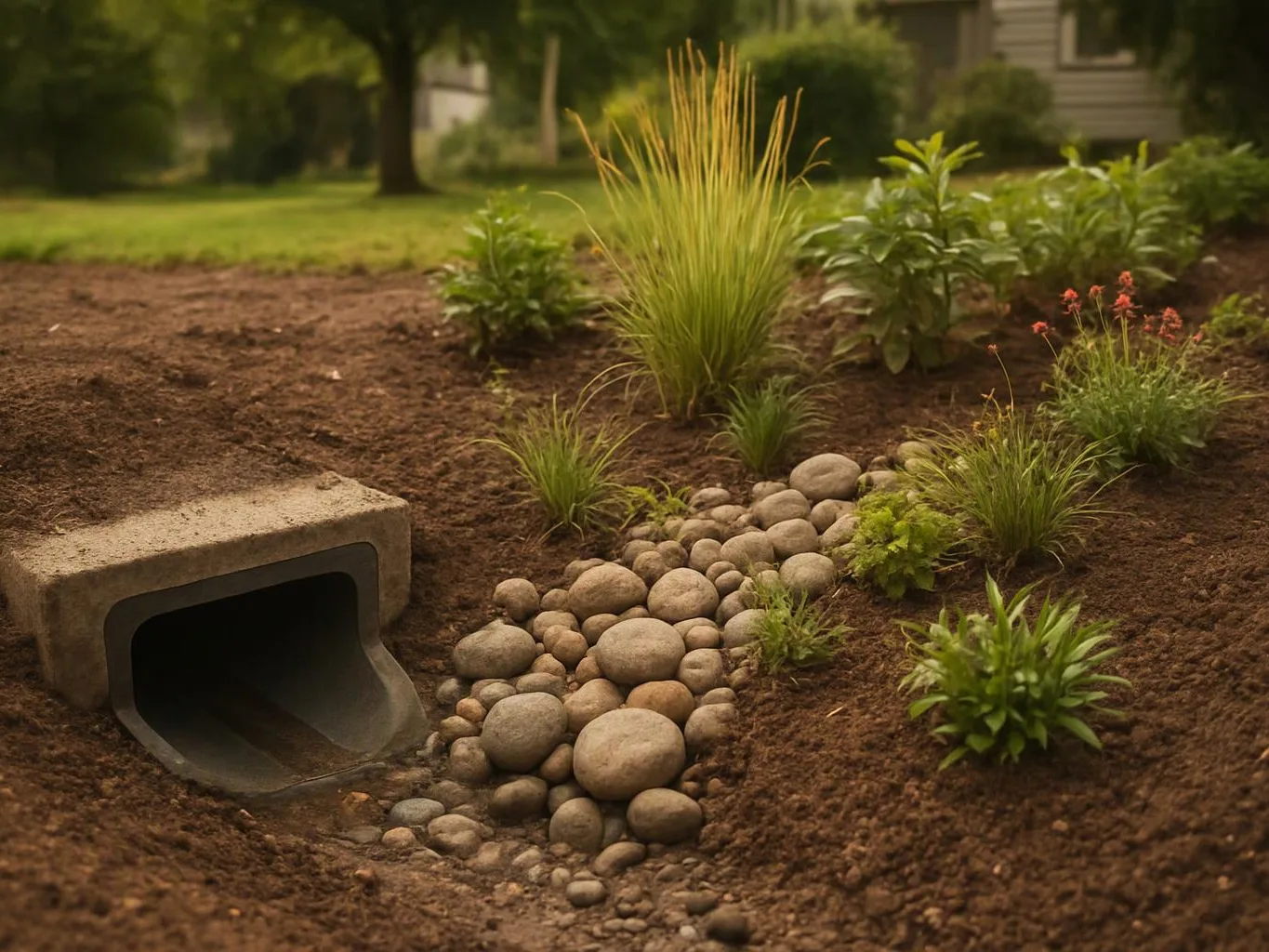
Native plants can help manage stormwater by slowing runoff, protecting soil, and supporting infiltration where site conditions allow.
Dense roots and leaves can reduce the force of water moving across a planting bed. Plants can also help keep soil in place, which supports erosion control.
A rain garden uses suitable plants and soil areas to receive water from nearby surfaces. Our team reviews drainage patterns before placing plants, because standing water and fast runoff require different plant choices.
How Native Plants Support Wildlife and Pollinators
Native plants support wildlife and pollinators by providing food, shelter, and seasonal habitat within the landscape.
Pollinators use flowering plants for nectar and pollen. Birds and butterflies can also benefit from plant structure, seeds, and nearby cover.
Native insects form part of this habitat system. A diverse planting palette with flowers, stems, leaves, and seed-producing plants can support wildlife across changing seasons.
What We Check Before Designing a Native Plant Landscape
We check site conditions and intended use before recommending native plants or placing them in a design.
Our site assessment reviews existing vegetation, sun and shade, soil conditions, drainage patterns, and property use. We also look at access, views, water flow, and how the planting area connects with nearby spaces.
That review guides plant selection and planting design. Our native plant landscaping service connects site conditions with a practical plant palette.
Planning the Scope of a Native Plant Landscape
Project scope depends on site preparation, plant quantity and type, access, irrigation needs, and the level of design or installation work.
Our team reviews the plant palette, soil preparation, plant installation, and expected plant maintenance. We also identify whether existing irrigation supports the new design or needs adjustment.
To request a quote, share the landscape goals and site details with our team. We can then explain what the project includes and how each scope choice affects the overall cost.
Common Questions About Native Plants in Landscapes
Native plant care depends on plant choice, site conditions, and the design's intended function. These answers address common planning concerns.
Questions About Choosing Native Plants
Are native plants always low maintenance?
Native plants aren't always low maintenance because every plant still needs the right site and care. Good plant selection, spacing, soil preparation, and seasonal maintenance can make care more practical.
Do native plants need irrigation after planting?
Yes, native plants may need irrigation while their root systems become established. Water needs depend on weather, soil, exposure, plant type, and the condition of the planting bed.
Can native plants improve soil and reduce erosion?
Yes, native plants can support soil health and reduce erosion when their root systems suit the site. Plant placement must also account for water flow, soil depth, drainage, and slope conditions.
How should native plants be grouped in a planting bed?
Native plants should be grouped by sun exposure, soil and drainage, mature size, water needs, and maintenance needs. Grouping compatible plants helps the bed grow evenly and keeps care more manageable.
Can native plants be combined with ornamental garden plants?
Yes, native plants can be combined with ornamental garden plants when their light, soil, water, mature size, and maintenance needs fit together. Our team uses planting design to keep the mix cohesive and functional.