Why Drought-Tolerant Landscape Plants May Be Struggling
Drought-tolerant landscape plants can die from poor establishment, overwatering, compacted soil, root damage, pests, or a site that does not match their needs. At LandscaperIssaquahwa.com, we check the plant, soil, drainage, watering pattern, and planting conditions to identify the likely cause.
Written by Adam Gorski · 29 years of local experience
Request an Estimate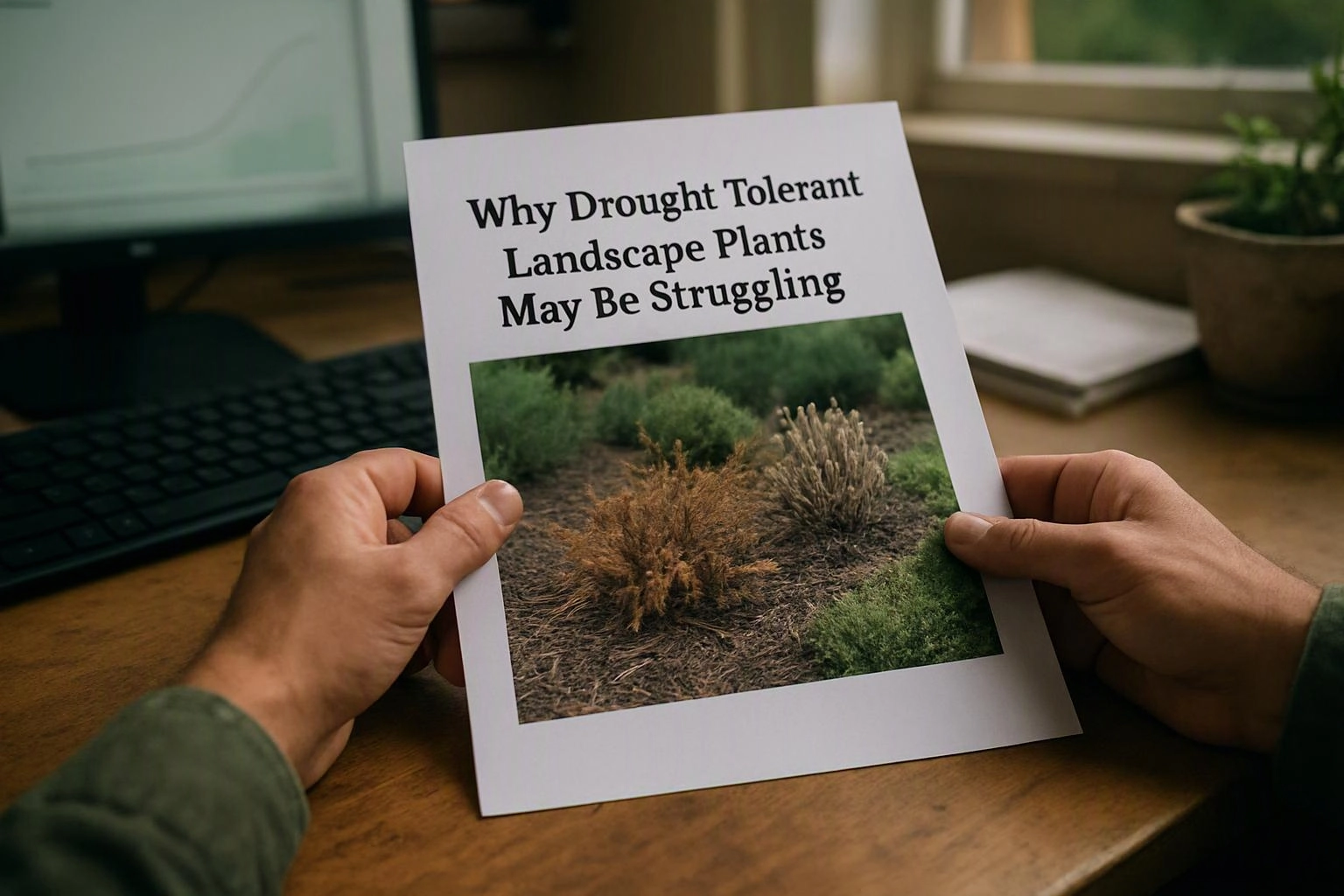
Water-wise plants still need the right start and suitable growing conditions. Our team connects visible symptoms to the root zone, soil moisture, irrigation, sun exposure, and seasonal stress.
We use this same approach when planning Drought-Tolerant Landscaping. A site assessment can prevent plant replacement before the underlying problem is fixed.
Author: Adam Gorski
What Signs Show That Drought-Tolerant Plants Are Struggling?
Drought-tolerant plants show stress through wilting, curled or brown leaves, yellowing, leaf drop, dieback, and weak new growth.
Why Are Drought-Tolerant Landscape Plants Dying?
Drought-tolerant plants can die when roots stay too dry, remain waterlogged, suffer damage, or grow in conditions that do not fit the species.
Underwatering can dry the root zone before new roots develop. Newly planted shrubs are especially vulnerable to transplant shock because their root systems have not spread into the surrounding soil.
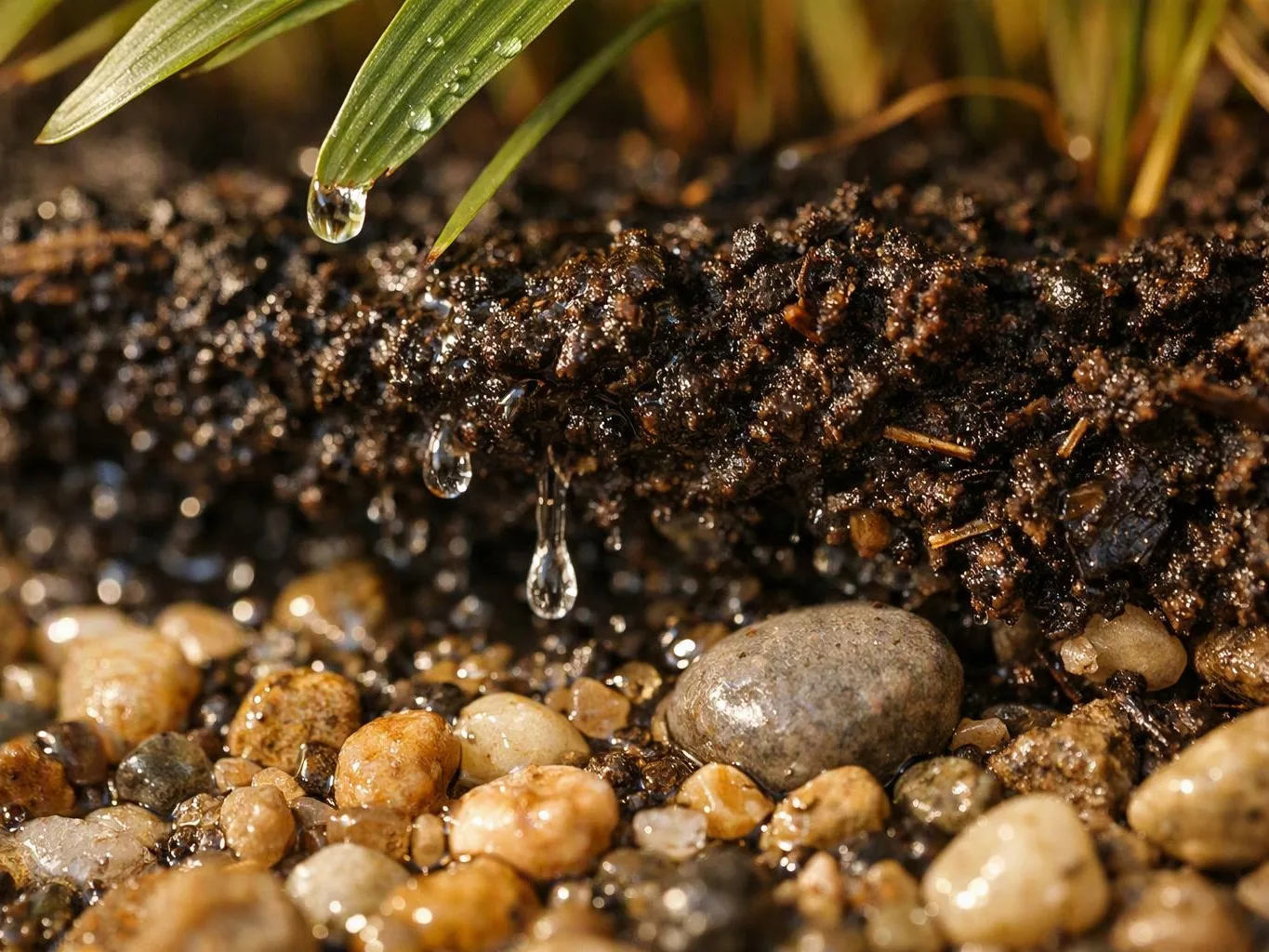
Overwatering and poor drainage can remove oxygen from the soil. Roots may weaken or develop root rot even when the surface looks damp.
Compacted soil restricts root growth and slows water movement. Incorrect planting depth can also bury the crown or leave the root ball too exposed.
Heat stress becomes more severe when plants face strong sun exposure and limited soil moisture. Pests and plant disease can add leaf damage, dieback, and weak growth.
How Do Watering and Soil Problems Affect Plant Health?
Watering and soil problems affect plant health by limiting oxygen, moisture, or root growth in the root zone.
Soil moisture should reach the active roots without leaving the planting area saturated. Irrigation that wets only the surface can encourage shallow roots and repeated wilting.
Drainage affects how long water remains around the roots. Heavy soil, soil compaction, and low planting areas can slow drainage and raise the risk of root rot.
Soil texture also changes how water moves and stays available. Mulch can protect soil moisture, but excess mulch against stems or crowns can trap moisture and encourage decay.
We inspect the watering pattern, irrigation zone, soil condition, and drainage together. These factors often explain why a plant looks dry even when irrigation is running.
What Common Landscaping Mistakes Stress Drought-Tolerant Plants?
Common landscaping mistakes stress low-water plants by creating a mismatch between the plant and its site.
Small care changes can help you spot a problem early. Our team can address deeper site issues when simple adjustments don't restore healthy growth.
How We Diagnose Plants That Are Wilting or Turning Brown
We diagnose declining plants by connecting visible symptoms with root-zone conditions, watering patterns, site exposure, and plant selection.
Our team starts with a plant inspection of the leaves, stems, crown, and new growth. We look for patterns that separate watering stress from pests or disease symptoms.
Next, we complete a root-zone assessment and review soil condition. We check soil moisture, compaction, planting depth, root health, and the condition of the root ball.
We also review drainage and irrigation. The goal is to see whether water reaches the roots evenly or remains trapped in one area.
Sun exposure and plant selection matter as well. A plant can struggle when its light, heat, soil, or water needs do not match the site.
What You Can Do Yourself and What We Handle
You can review simple care conditions, while we handle site diagnosis, planting design, soil changes, and plant replacement when needed.
Use the comparison below to decide whether the issue calls for basic observation or a full site assessment. Avoid changing several conditions at once, because that can hide the original cause.
| Factor | What you can do yourself | What we do |
|---|---|---|
| DIY plant care | Observe leaf changes, stems, soil moisture, and recent weather. | We connect symptoms to plant health and site conditions. |
| Watering adjustment | Review the watering schedule and check whether water reaches the root zone. | We review irrigation coverage, soil moisture, and drainage. |
| Mulch inspection | Look for excess mulch touching stems or covering the crown. | We correct mulch placement as part of broader soil and planting care. |
| Site diagnosis | Note sun exposure, wet areas, dry areas, and nearby construction. | We assess roots, soil, drainage, irrigation, pests, and disease symptoms. |
| Plant replacement | Check for live tissue before removing a struggling plant. | We recommend plant replacement when recovery is unlikely or the species is unsuitable. |
| Soil improvement | Avoid adding changes without checking moisture and drainage first. | We plan soil improvement that supports root growth and water movement. |
| Planting design | Group plants with similar light and water needs when planning a bed. | We create planting designs for drought-tolerant landscaping and long-term maintenance. |
We can provide a quote after reviewing the plant, site conditions, and requested work. The quote can account for diagnosis, soil improvement, planting design, or plant replacement.
When Should You Replace a Struggling Landscape Plant?
Replace a struggling plant when the roots or growing points are no longer viable, or when the site cannot support that species.
Live tissue can show that a plant still has a chance to recover. Root health, flexible stems, and healthy growing points help us judge seasonal recovery.
Irreversible dieback means the plant has lost live tissue through its main stems or crown. Replacement planting may be more practical when little healthy growth remains.
Plant suitability also matters. A replacement will continue to struggle if the site still has poor drainage, compacted soil, unsuitable sun exposure, or the wrong watering pattern.
How We Plan a More Resilient Drought-Tolerant Landscape
We create more resilient planting plans by matching each plant's water needs, root habits, light needs, and soil conditions to the site.
Our planting design groups plants with similar water needs. This helps the irrigation zone serve the landscape more evenly.
We consider native plants, drought-tolerant shrubs, drought-tolerant perennials, ornamental grasses, and succulents when they fit the site. Native Plant Landscaping can also support a planting plan built around local growing conditions.
Soil preparation supports healthy roots before plants go into the ground. We review soil texture, compaction, drainage, planting depth, and mulch placement.
Seasonal maintenance keeps the plan responsive as weather, plant growth, and water needs change. This approach supports water-wise landscaping without treating every plant the same way.
Questions About Struggling Drought-Tolerant Plants
Can overwatering kill drought-tolerant plants?
Yes, overwatering can kill drought-tolerant plants when saturated soil limits oxygen around the roots. Poor drainage can lead to root rot and weak growth.
Why do newly planted shrubs keep wilting?
Newly planted shrubs keep wilting when transplant shock, dry roots, damaged roots, planting depth, or poor drainage limits water uptake. The root ball may also dry faster than the surrounding soil.
Can a drought-tolerant plant recover after turning brown?
Yes, a drought-tolerant plant can recover after turning brown when its roots and growing points still contain live tissue. Recovery depends on the cause, plant species, season, and site conditions.
How can I tell whether a dead-looking plant still has live roots?
A dead-looking plant may still have live roots when stems remain flexible and growing points show healthy tissue. Our team checks the root ball, crown, stems, and surrounding soil before recommending removal.
Should I water drought-tolerant plants after planting?
Yes, drought-tolerant plants need appropriate watering after planting while new roots establish. The right watering pattern depends on the plant, soil, drainage, weather, and root-zone moisture.
Related Resources
Landscape Design Principles: How to Create a Cohesive Outdoor Space
What Goes With ItRain Gardens, French Drains, and Swales: Landscape Drainage Options
What Goes With ItHow Native Plants Can Support a More Functional Landscape
What Goes With ItDesigning a Landscape for Lower Maintenance and Smarter Water Use