Landscape Design Principles: How to Create a Cohesive Outdoor Space
Landscape design principles guide how elements such as plants, paths, patios, color, texture, and space work together. At LandscaperIssaquahwa.com, we use these relationships to shape outdoor spaces that feel connected, useful, and visually balanced. We’re licensed and provide upfront pricing.
Written by Adam Gorski · 29 years of local experience
Request an Estimate
What Are the Elements of Landscape Design?
Landscape design elements are the visible parts and qualities that shape how an outdoor space looks and functions.
Landscape design elements include line, form, color, texture, scale, space, and light. Lines guide movement, while forms shape the structure of trees, shrubs, patios, and garden beds.
Color creates mood and seasonal interest. Texture adds contrast through leaf shapes, bark, stone, and paving. Scale keeps plants and built features suited to the yard.
Plants provide living structure, shade, screening, and seasonal change. Hardscape includes patios, walkways, retaining edges, walls, and other built features. Space gives each part room to work without making the yard feel crowded.
What Are the Main Principles of Landscape Design?
Landscape design principles are planning rules that connect separate elements into a balanced and usable composition.
We use these principles together because one strong feature can't carry the whole design. The table shows how each principle affects the finished landscape.
| Principle | How it helps |
|---|---|
| Balance | Distributes visual weight so one side doesn't feel too heavy. |
| Unity | Connects plants, materials, and structures through shared choices. |
| Rhythm | Uses repeated forms, colors, or plants to guide the eye. |
| Proportion | Keeps features and plants suited to the space around them. |
| Focal point | Creates a clear feature that attracts attention and supports views. |
| Contrast | Adds interest by placing different colors, textures, or forms together. |
| Simplicity | Limits competing details so the design stays calm and readable. |
| Transition | Moves the eye smoothly between spaces, materials, and planting areas. |
How Do You Lay Out a Backyard?
A backyard layout starts with use and site conditions, then places paths, gathering areas, planting beds, and focal points around them.
Our team begins with circulation and activity zones because people need clear routes through the yard. We also study privacy, sun exposure, drainage, and maintenance before placing permanent features.
How Do Hardscape and Planting Work Together?
Hardscape creates structure and circulation, while planting softens edges, adds seasonal interest, and connects built areas to the landscape.
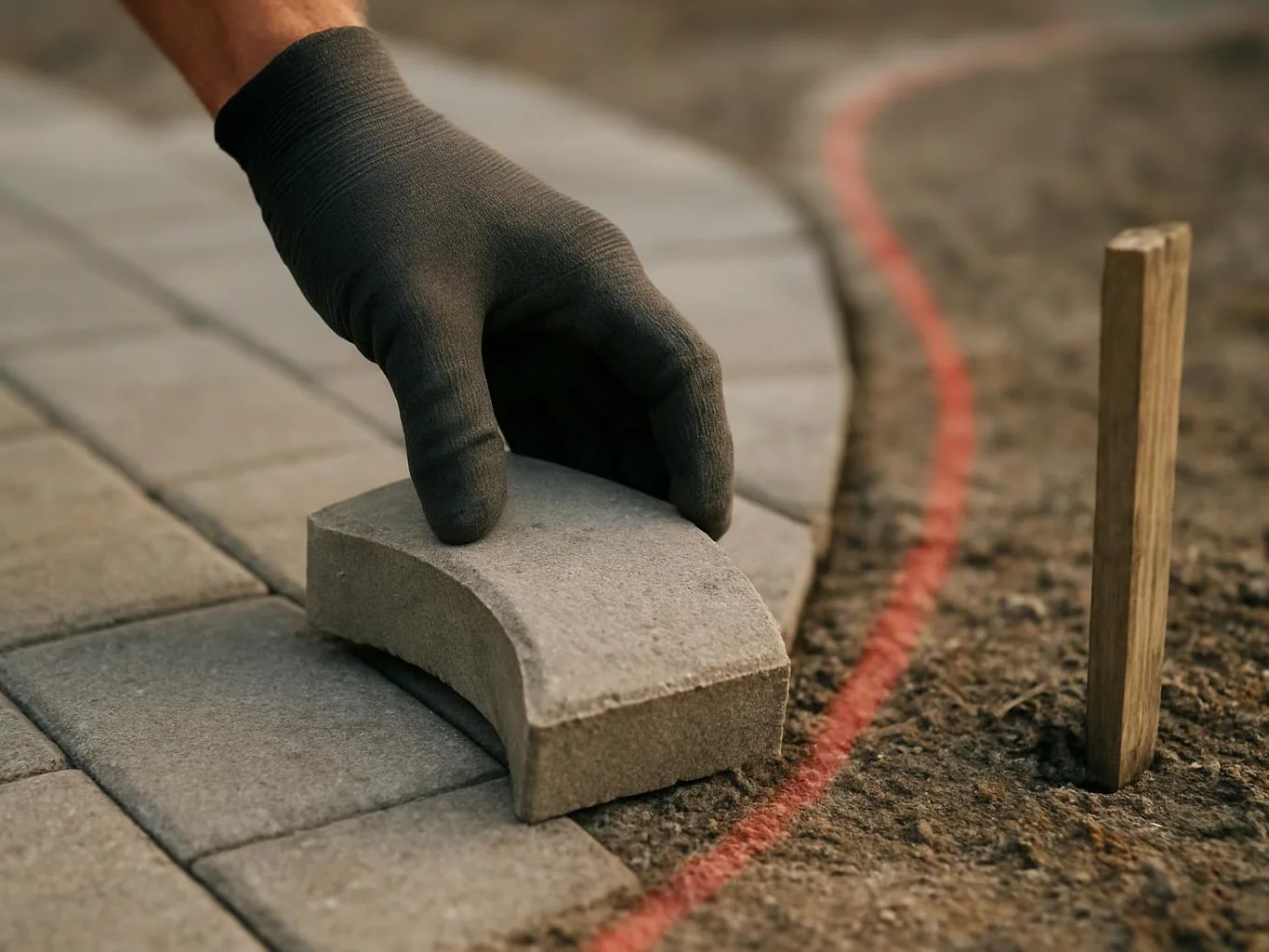
A paver patio can define an outdoor room, while a paver walkway can connect that room to the home or garden. Plant beds soften those edges and help the hardscape feel part of the yard.
We match planting scale to nearby paving, walls, and structures. We also coordinate grading and drainage so water moves away from surfaces and does not collect in plant beds.
Edges matter because they control how materials meet. Clean transitions between stone, soil, lawn, and planting make the whole design easier to maintain.
When Do You Need Landscape Design and Planting Design Together?
Landscape design and planting design work best together when the yard needs both structure and living features.
These services should connect early when plant location affects drainage, privacy, views, access, or the size of a built feature.
How Do Landscape Design and Planting Design Work Together?
Landscape design and planting design work together through shared drawings, plant choices, construction details, and maintenance planning.
Our team uses the following connections to keep the project scope clear and prevent conflicts during installation.
Which Landscape Design Choices Shape Project Cost?
Landscape design cost depends on site preparation, material choices, planting scope, access, and the amount of installation involved.
Site conditions can add work when the yard needs grading, drainage improvements, demolition, soil preparation, or difficult access. Design complexity also changes the planning and installation scope.
Material selection affects cost through the type of paving, walls, edging, soil, and other hardscape features. Plant quantity, plant size, spacing, and the level of seasonal interest also matter.
Our quote explains the planned work, selected materials, planting scope, site preparation, and installation needs. You can request a quote through our landscape design service so we can review the site and define the work.
How We Turn Design Principles Into a Planting Plan
We turn landscape design principles into a planting plan by connecting site conditions, design goals, plant choices, and installation needs.
What Makes an Outdoor Space Feel Cohesive?
A cohesive outdoor space repeats useful design choices without making every area look identical.
Repetition can link separate areas through a shared plant palette, material palette, color, or texture. Repeated forms help the eye move through the yard.
Visual transition keeps changes between patio, lawn, beds, and walkways comfortable. Focal points create interest, while scale and proportion keep features suited to the space.
Seasonal interest keeps the design active across the year. A practical maintenance plan protects the unity of the landscape as plants grow and materials age.
Questions About Cohesive Landscape Design
What is the difference between landscape design elements and principles?
Landscape design elements are the parts you see, while landscape design principles explain how those parts work together.
How do I choose a landscape design style?
A landscape design style should match your home's form, your preferred materials, your daily use, and the maintenance you want.
How can I make a small backyard feel more connected?
A small backyard feels more connected when paths, materials, plant repetition, and focal points support one clear layout.
What should be included in a planting plan?
A planting plan should include plant locations, plant spacing, bed edges, plant selections, site conditions, maintenance needs, and coordination with hardscape.
Author: Adam Gorski
Our team can review your outdoor space, connect the design choices, and prepare a clear quote for the planned work.
Related Resources
Landscape Architect, Designer, or Design-Build Company: Which Should You Hire?
Compared ToLandscape Design-Build vs. Hiring a Designer and Contractor Separately
Compared ToHow to Prepare for a Landscape Contractor Quote and Compare Proposals
Compared ToPaver Patio vs. Concrete Patio: Comparing Cost Factors, Repairs, and Drainage