Why Your Lawn Has Yellow or Dying Patches
Yellow or dying lawn patches can result from poor drainage, overwatering, drought, compacted soil, pests, disease, mower stress, or sprinkler problems. LandscaperIssaquahwa.com checks the pattern, soil, roots, and watering system to identify the cause and choose the right repair.
Written by Adam Gorski · 29 years of local experience
Request an EstimateWritten by Adam Gorski.
What Do Yellow or Dying Lawn Patches Look Like?
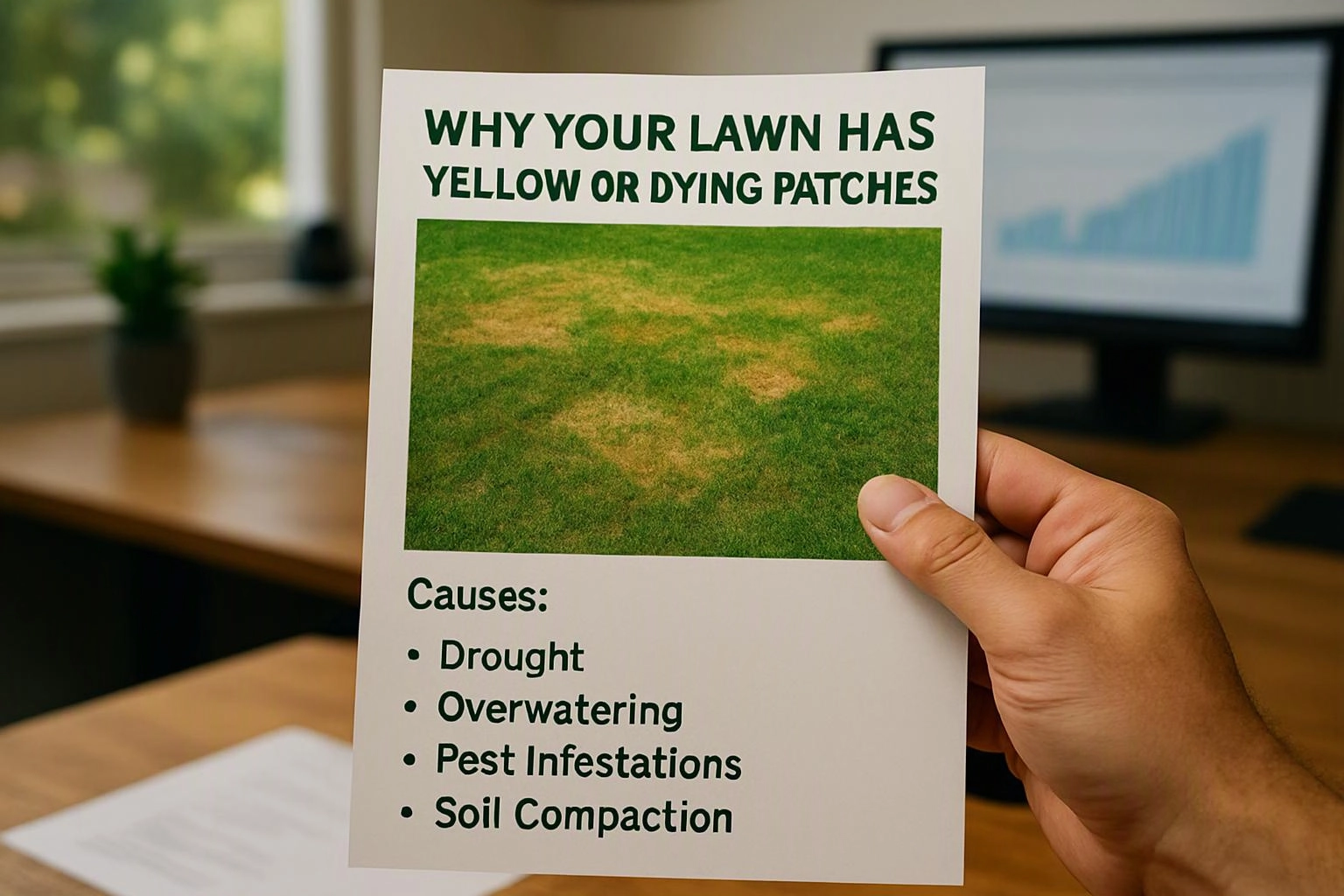
Yellow or dying lawn patches show up as discolored, thin, wilted, or bare areas that differ from the surrounding turf. Yellow grass may appear across a broad area, while brown grass can point to severe moisture stress or root damage.
Some patches have thinning turf with visible soil between the grass blades. Others become bare spots where grass roots no longer hold the soil. Uneven lawn color can also appear when shade, poor sprinkler coverage, or uneven watering affects only part of the lawn.
Warning Signs Your Lawn Has a Bigger Problem
Warning signs show that a patchy lawn needs more than a simple watering adjustment. The shape, location, and soil condition can help show what is happening below the surface.
Look for these changes across the lawn:
A patch that keeps changing needs a cause-based inspection. Adding fertilizer without checking the soil can make some lawn problems worse.
What Causes Grass to Die in Patches?
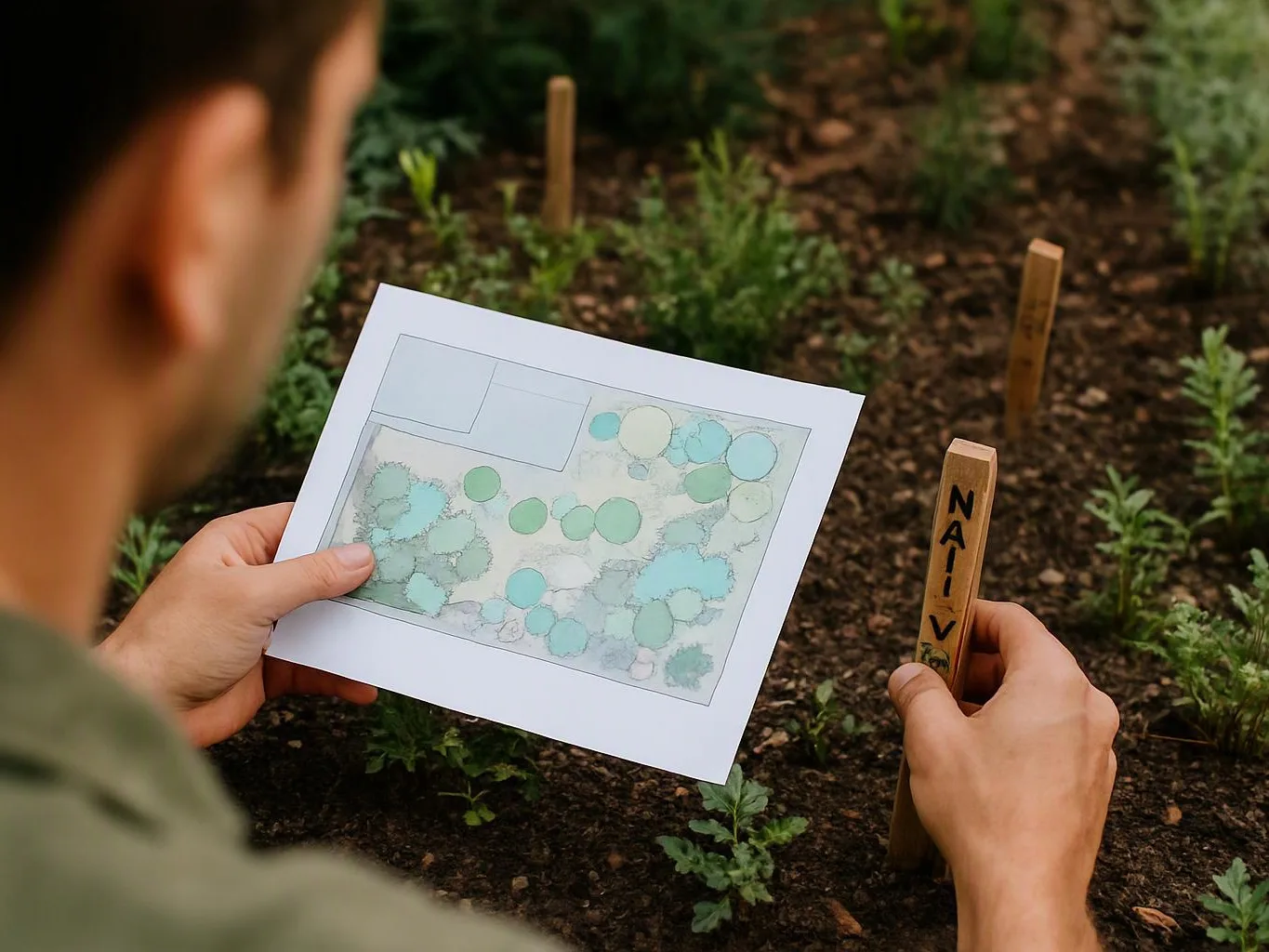
Grass dies in patches when roots lack the right balance of water, air, nutrients, light, and healthy soil. The most useful diagnosis map includes each patch’s shape, location, moisture, and root condition.
Poor drainage and overwatering can keep roots in waterlogged soil. Underwatering can leave dry patches, wilting grass, and cracked soil.
Compacted soil blocks air and water from reaching the root zone. Soil nutrient imbalance can also cause yellowing, weak growth, and thinning turf.
Pests and fungal disease may damage grass from below or spread across the blades. Pet urine spots often appear in focused areas, while mowing stress can follow cutting that is too aggressive for the grass.
Shade can reduce the light that grass needs to stay thick. New lawn establishment can also create uneven growth when the soil, watering, or rooting conditions vary across the site.
Can Poor Drainage or Overwatering Kill Grass?
Yes, poor drainage and overwatering can kill grass because saturated soil limits oxygen around the roots. Grass may turn yellow, thin out, and develop brown patches as root health declines.
Standing water often collects in low areas or near blocked drainage paths. Surface runoff can also carry water away from one section while leaving another area saturated.
We check the soil moisture, water flow, grade, and affected root zone. Our Lawn Installation work can include soil preparation when the existing ground cannot support healthy turf.
Drainage solutions may include improving the soil surface, redirecting water flow, or correcting areas where runoff collects. The right repair depends on where water enters, moves, and stops.
Can Compacted Soil Cause Bare Spots in a Lawn?
Yes, compacted soil can cause bare spots because grass roots struggle to access air, water, and nutrients. Compaction also reduces water infiltration and can leave moisture sitting on the surface.
Foot traffic, heavy equipment, and thick thatch can press the soil together. Grass may look thin even when the lawn receives regular watering.
Soil aeration can open pathways for root growth and improve moisture movement. We also check whether the soil has enough depth and whether thatch is blocking the surface.
Repair may involve improving the soil, reducing traffic stress, or replacing turf where root growth has failed. A soil inspection helps prevent new grass from being installed over the same problem.
How We Narrow Down the Cause of a Dying Lawn
Our lawn diagnosis starts with the patch pattern and ends with the condition of the roots and soil. Each step helps separate watering problems from drainage, pest, disease, or establishment issues.
This process keeps the repair tied to the actual cause. It also helps us decide whether the lawn needs adjustment, soil work, sprinkler repair, drainage solutions, or turf replacement.
DIY Checks or Professional Lawn Repair?
You can check visible lawn conditions safely, while we diagnose root, drainage, sprinkler, and lawn installation problems. Simple observations can help identify a pattern, but hidden soil and water issues often need a closer inspection.
The table below shows where homeowner checks end and our repair work begins.
| Factor | What you can do yourself | What we do |
|---|---|---|
| Watering inspection | Observe dry areas, wet areas, and uneven watering. | We assess coverage and connect the watering pattern to the patch location. |
| Soil inspection | Look for cracked, soft, eroded, or visibly compacted soil. | We check moisture, compaction, drainage, thatch, and root condition. |
| Sprinkler repair | Note blocked, tilted, leaking, or poorly aimed sprinkler heads. | We diagnose poor coverage and complete needed sprinkler repair. |
| Drainage solutions | Track where standing water collects after rain or watering. | We assess water flow and recommend drainage solutions for the site. |
| Lawn installation | Remove loose debris and record where grass has failed. | We prepare the soil and install replacement turf when repair cannot restore coverage. |
Requesting a quote starts with the affected area, access conditions, soil needs, and repair type. We include the work needed to address the cause, not just the visible grass.
What Should You Do About Yellow or Dying Patches?
The right lawn repair depends on the cause, so identify the pattern before adding water, fertilizer, or replacement grass. A dry patch needs a different response from a waterlogged patch or pest-damaged area.
Start by checking moisture, sprinkler coverage, shade, soil firmness, and nearby drainage. Avoid covering the symptoms until the roots and soil have been reviewed.
We can recommend a watering adjustment, soil improvement, drainage correction, sprinkler repair, or turf replacement. Lawn installation may be the better choice when the soil or root zone cannot support recovery.
For an exact quote, share the patch location and the conditions you have observed. Our team can then match the repair to the lawn’s actual needs.
Questions About Yellow or Dying Lawn Patches
Why is my grass yellow in some areas but green in others?
Grass turns yellow in some areas when moisture, light, soil, roots, or sprinkler coverage differs across the lawn. The patch shape and soil condition help show which factor is causing the uneven color.
Can sprinkler problems create dying lawn patches?
Yes, sprinkler problems can create dying lawn patches when some areas receive too little water or no water. We check sprinkler coverage, spray direction, blocked heads, leaks, and uneven watering.
Should I water or fertilize yellow grass first?
Check the cause before watering or fertilizing yellow grass. Extra water can worsen waterlogged soil, while fertilizer can stress grass affected by disease, pests, or root damage.
How can I tell whether a lawn patch has pests or disease?
Lawn pests or disease may cause spreading discoloration, damaged blades, thinning turf, or focused brown spots. We inspect the grass, soil, roots, and patch pattern before choosing treatment or repair.
When should damaged lawn areas be replaced?
Damaged lawn areas should be replaced when the root zone cannot support recovery after the underlying cause is corrected. We review soil, drainage, watering, and remaining turf before recommending turf replacement or lawn installation.
Share the lawn pattern, soil condition, and watering concerns with our team so we can identify the right repair path.