How should plants be selected for a landscape design?
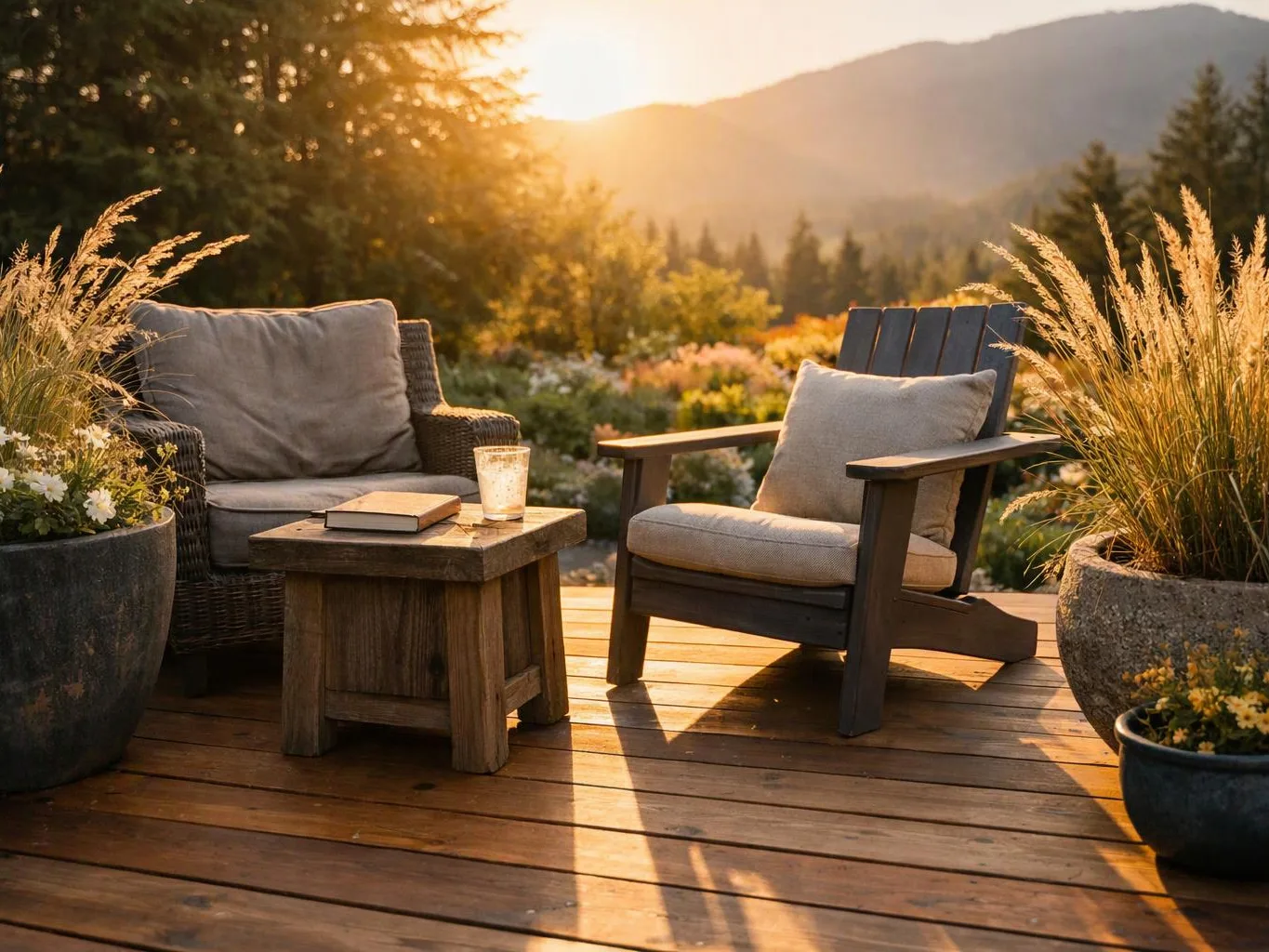
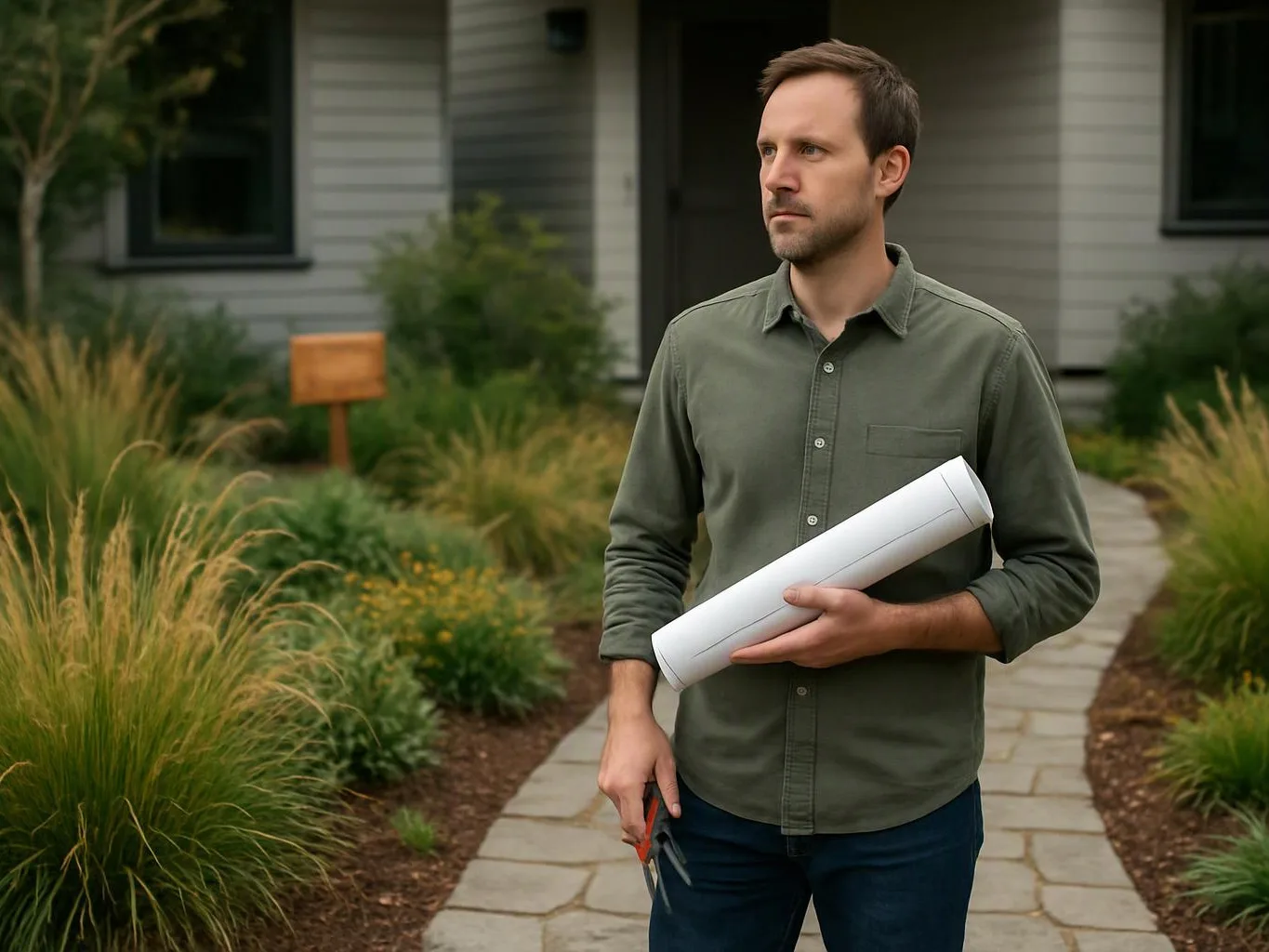
Soil conditions should guide plant selection before appearance becomes the main factor. Sun exposure, water needs, mature size, drainage, and the property's intended use also shape the plant palette. We group plants with similar needs and place them around paths, walls, patios, and other fixed features. That approach gives each bed a clear role and workable care needs.
What should I confirm before approving a planting plan?
A planting plan should confirm the plant palette, bed locations, mature size, water needs, and coordination with existing features. Check how trees and shrubs relate to paths, windows, walls, and outdoor seating. Also ask which parts belong to planting and which belong to grading, irrigation, or construction. Those details keep the approved scope clear.
Which site conditions change the planting work?
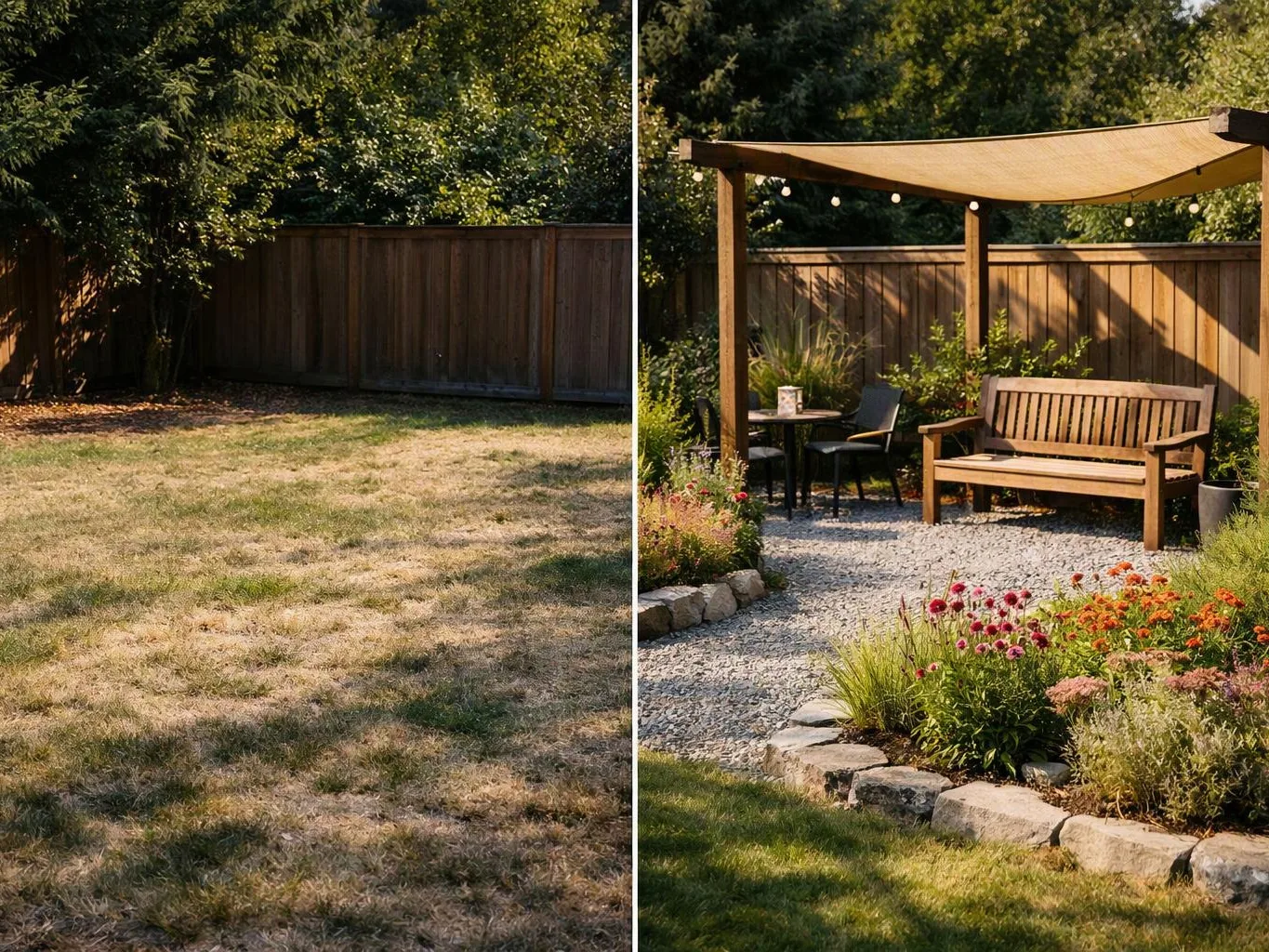
Sun exposure, drainage, slope, available bed space, and existing plants change the planting work. A shaded area needs different choices from an open bed, while poor drainage affects placement and plant fit. The site review also checks how planting will meet patios, walkways, retaining walls, and water features.
When should planting design start during a yard project?
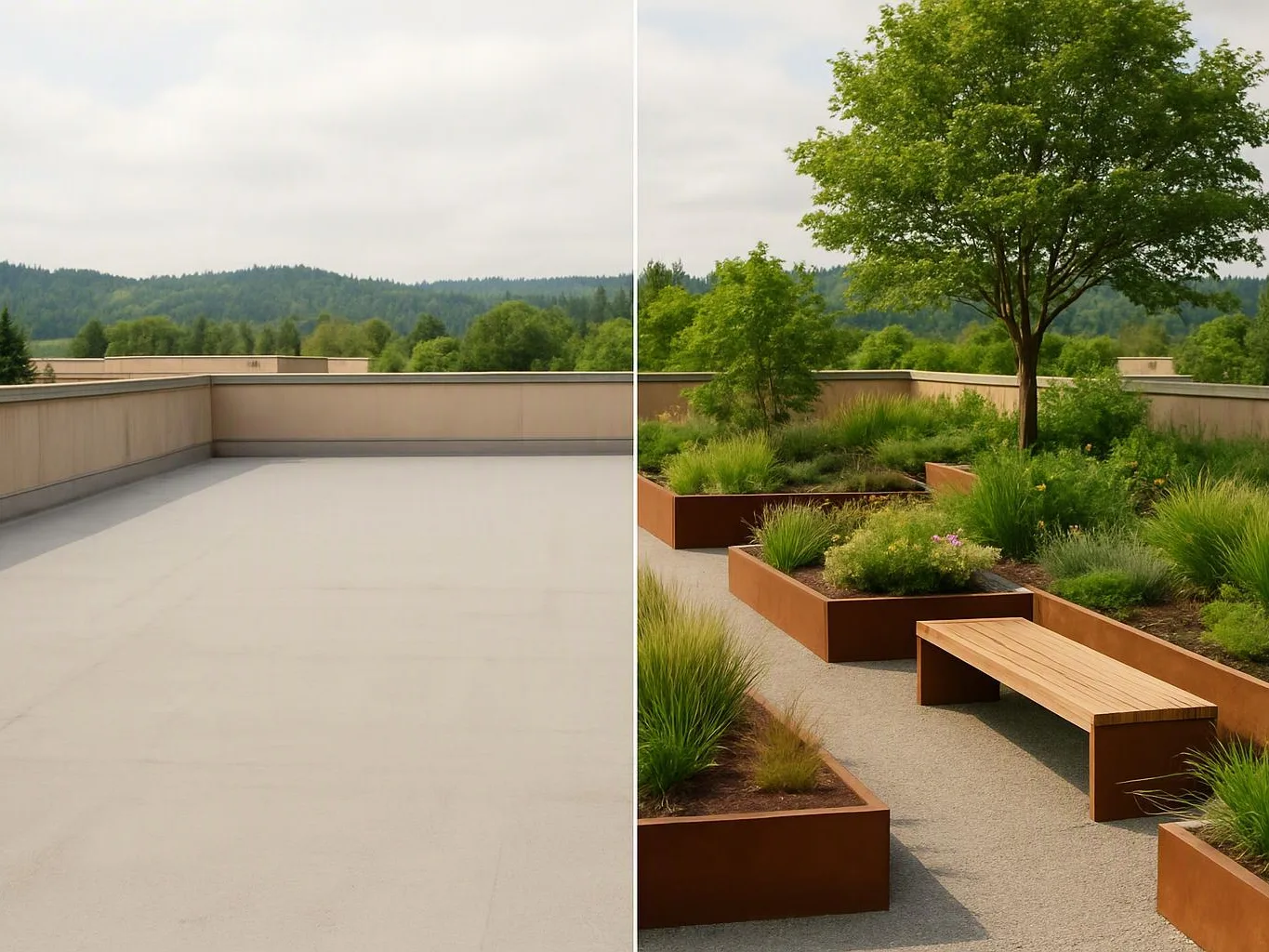
Planting design should start before plants are purchased or beds are built. Early planning lets the plant layout fit patios, walkways, walls, lighting, lawn areas, and access routes. It also gives the construction scope a clear planting direction. For a wider project, the design-to-build process connects these decisions before installation begins.
Why do mature plants need more space than new plants?
Mature plants need more space because their roots, branches, and overall form expand after installation. A plan that uses only the plant's starting size can crowd paths, walls, windows, or other plants. We use mature size to set spacing and protect the function of nearby outdoor areas.
What changes the quote for a planting project for Planting Design?
The planting scope changes the quote most, including site review, plant selection, bed layout, plant quantity, and related construction. A plan tied to patios, retaining walls, lighting, or lawn installation has a broader scope than a planting-only request. We review those details before preparing a project quote.
How does planting design fit a larger outdoor build?
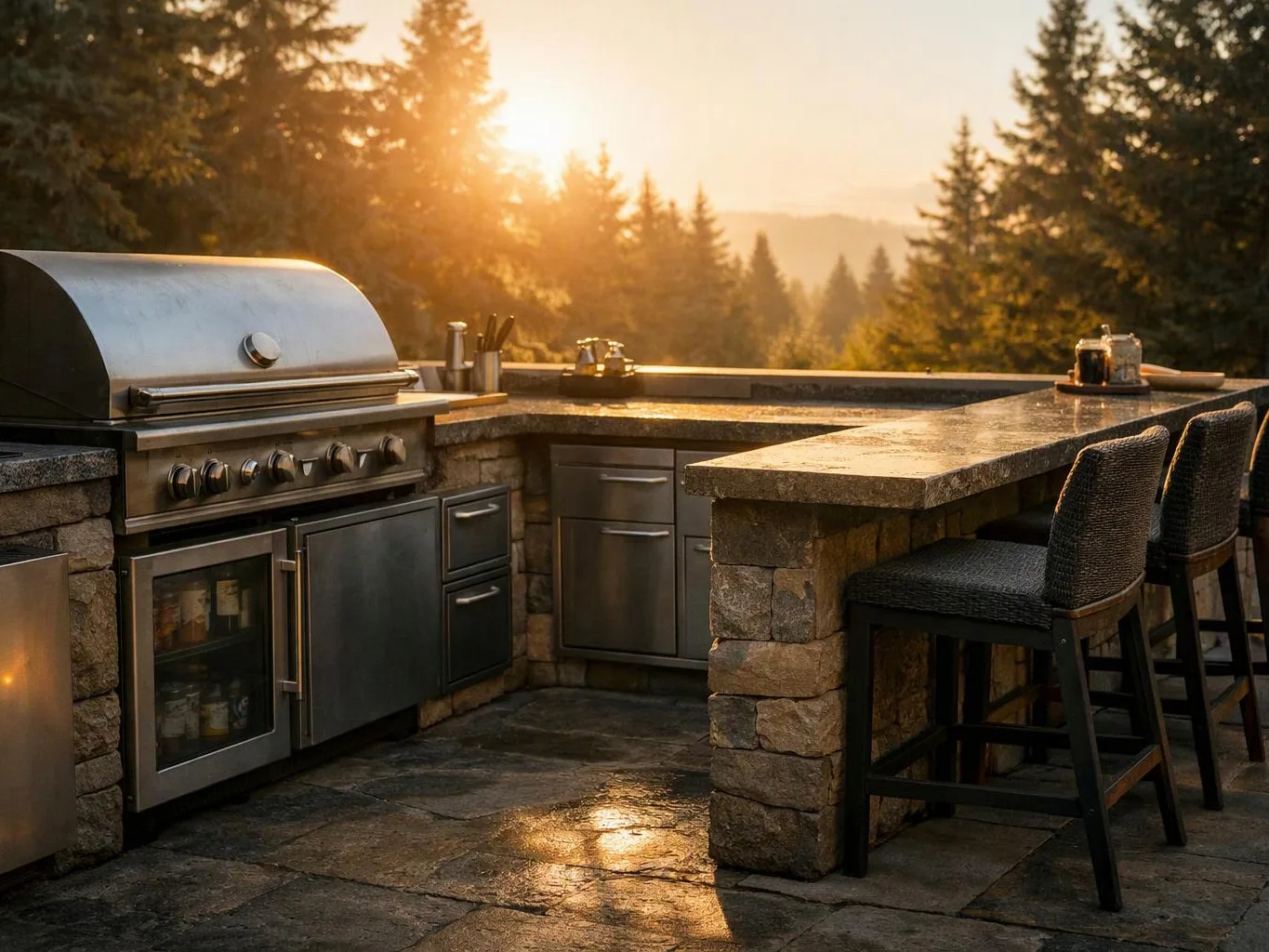
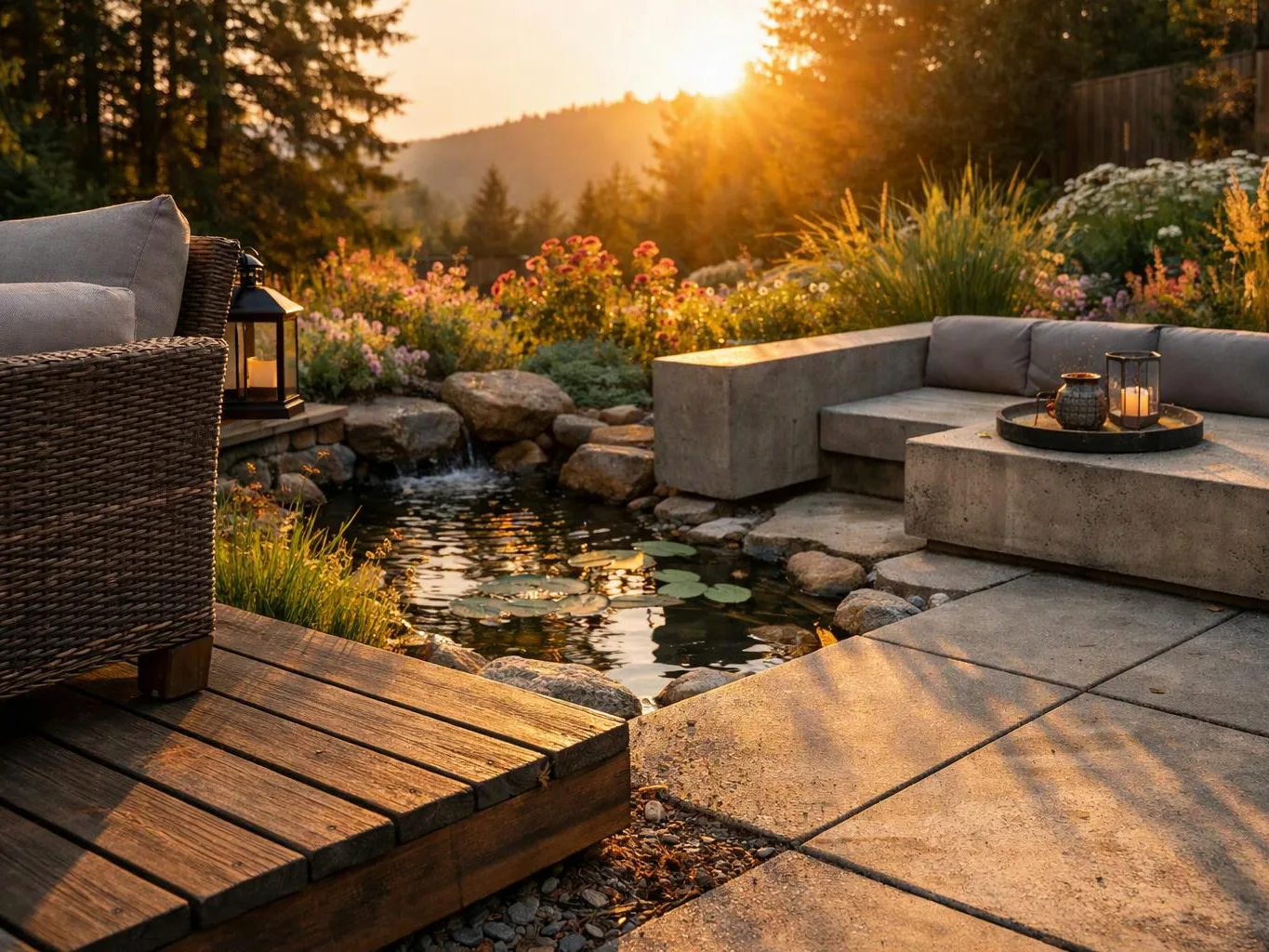
Planting design fits a larger build by coordinating plants with the planned hardscape and site layout. Patios, walkways, water features, retaining walls, lighting, and lawn areas all affect bed placement. Our design-to-build process carries those decisions into material selection and construction so the planting work supports the full property plan.