Which plants work well in drought-tolerant landscape designs for Drought-Tolerant Landscaping?
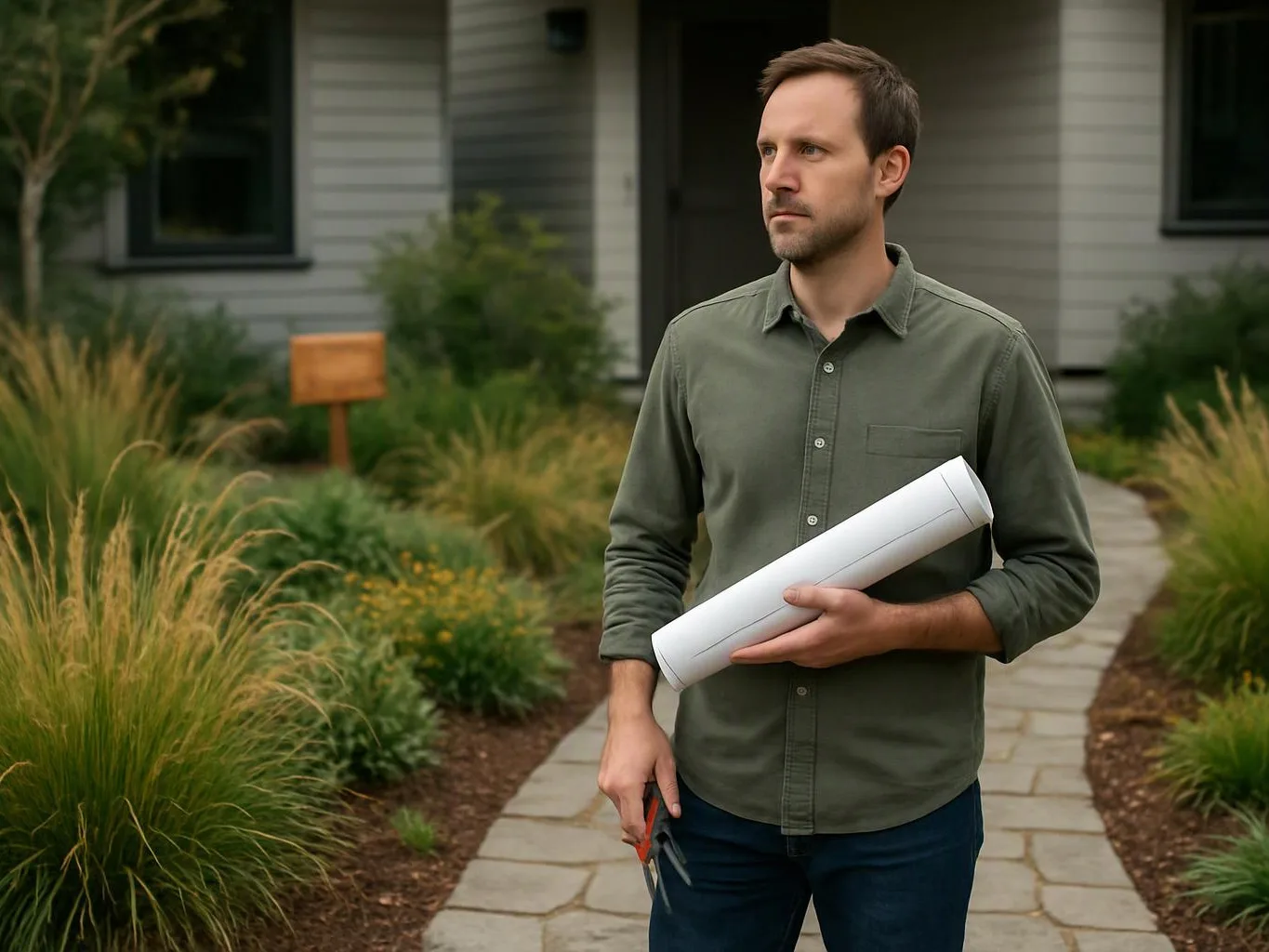
Native perennials work well when their sun, soil, and water needs match the property. Succulents, ornamental grasses, Mediterranean shrubs, and drought-resistant trees can add structure and seasonal interest. We review drainage and slope before placing them, because dry-tolerant plants still need the right growing conditions. A planting plan helps keep compatible plants together.
How does the first consultation lead to a finished planting project?
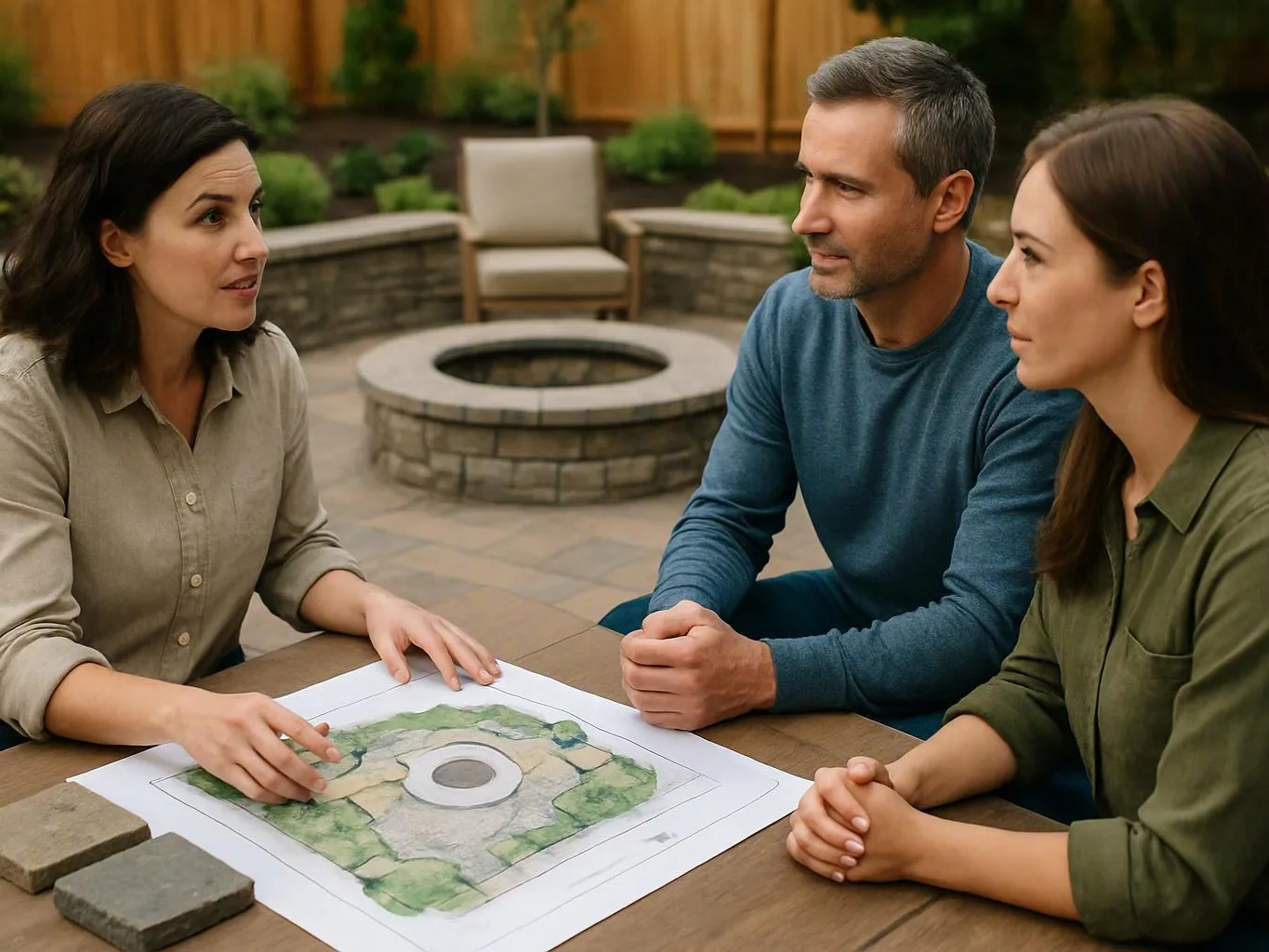
The consultation starts with your goals and a review of the property. We then assess soil, slope, drainage, sunlight, access, and existing features. Next, we set the design and material scope, discuss the quote, and move into construction when the plan is approved. The work may include planting, lawn changes, hardscape, lighting, or water features.
What part of the property controls the planting scope?
The planting area controls much of the scope, but drainage, slope, sunlight, access, and nearby structures also matter. A low area may need different plants or site work than a raised bed. Patios, walkways, retaining walls, and lighting can change the layout. We use those conditions to shape the planting plan and quote.
When is a water-wise planting plan a poor fit?
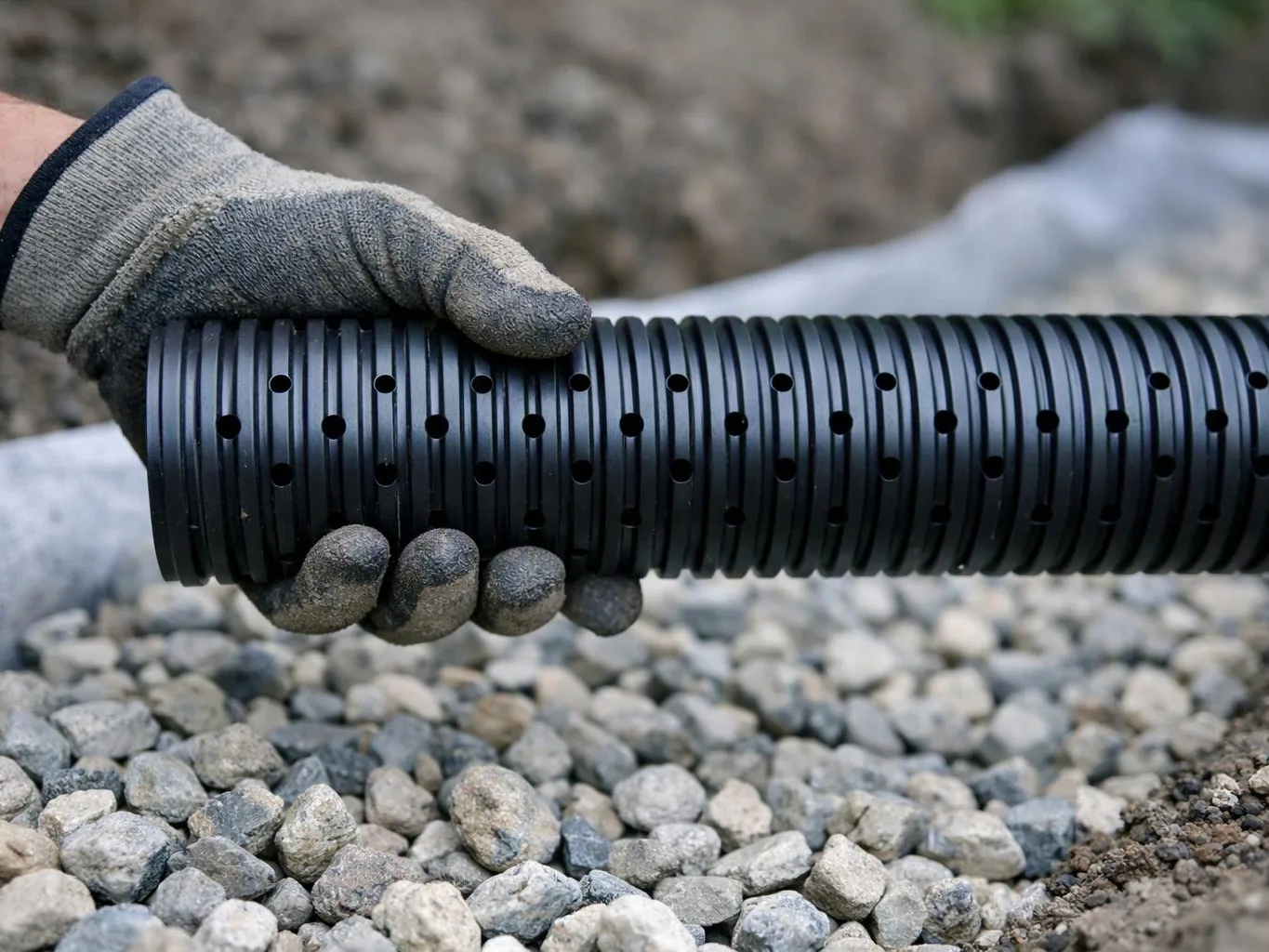
A water-wise planting plan is a poor first step when a major drainage, grading, or retaining-wall problem needs attention. Those conditions can damage new plants or change the bed layout. We identify the site issue first and include related construction when the project calls for it. Routine mowing alone also does not require this design service.
Why should planting and hardscape be planned together for Drought-Tolerant Landscaping?
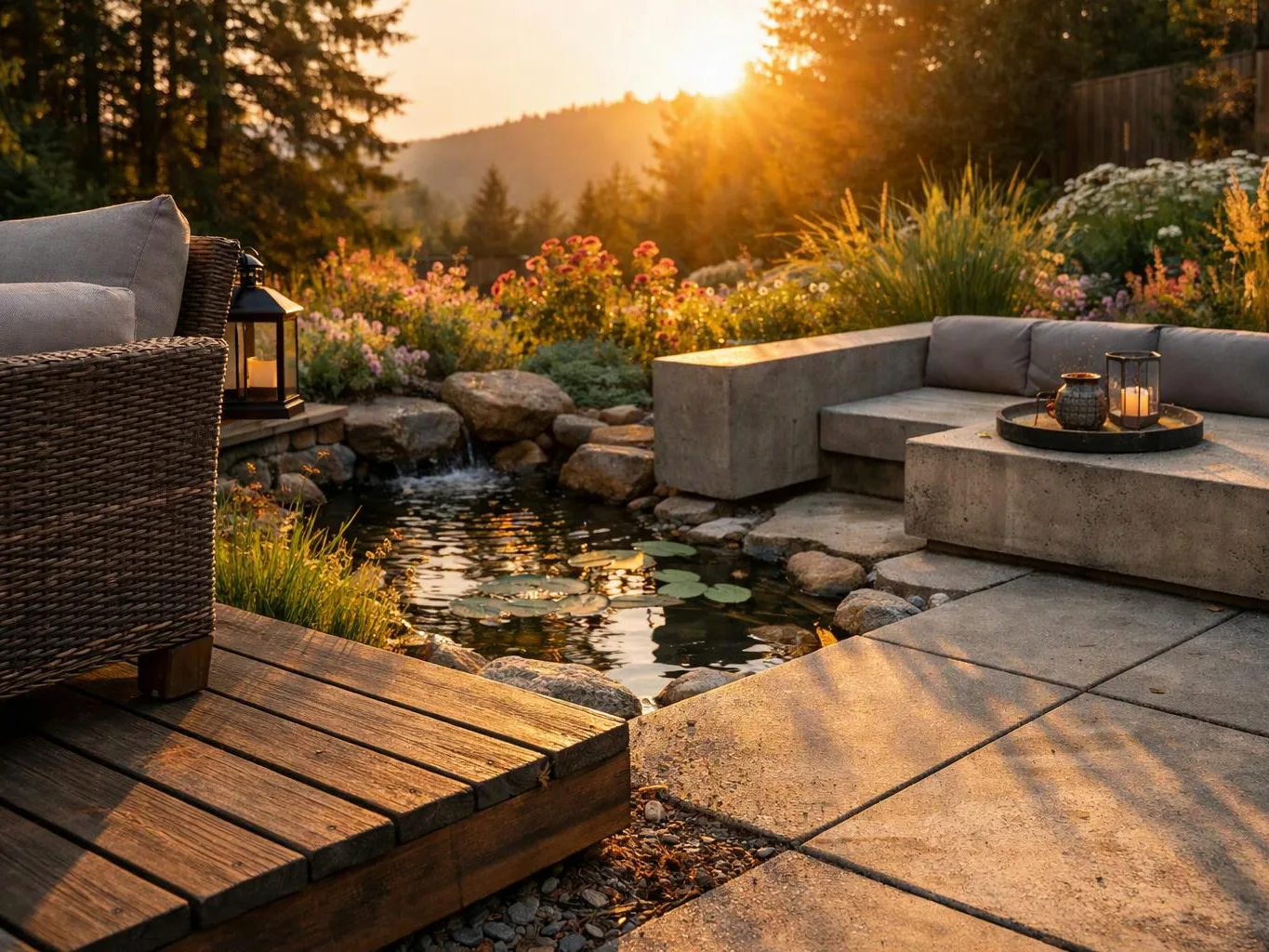
Planting and hardscape should be planned together because paths, patios, walls, and lighting affect bed shape and access. Early coordination prevents a new feature from cutting through a finished planting layout. Our design-to-build process links site review, material selection, architectural integration, and construction. That approach suits homeowners planning more than a simple bed refresh.
Which part of the job changes the quote most for Drought-Tolerant Landscaping?
The project scope changes the quote most, especially when planting work connects with grading, lawn installation, patios, walls, lighting, or water features. Site access and drainage can also add design or construction work. We discuss those conditions before preparing upfront pricing. You can request a quote for planting alone or a broader outdoor improvement.
Can lawn replacement include more than new plants?
Lawn replacement can include new planting beds, paths, patios, or other outdoor features when the design requires them. The right scope depends on the lawn area, site conditions, access, and how you want to use the space. We review those factors before selecting plants or materials. Regular maintenance should also be planned after installation.