Skip to content

Drought-Tolerant Landscaping Kirkland

For safe irrigation control, Rain sensors should be placed where they measure real rainfall in Kirkland. We pair that input with drip irrigation, hydrozones, and efficient emitters.

5 · 36 Reviews29 Years in BusinessUpfront, Transparent PricingServing 95 Communities

Quick Summary: Drought-tolerant landscaping in Kirkland, Washington

Drought-Tolerant Landscaping in Kirkland is provided by LandscaperIssaquahwa.com for homeowners across King County and nearby Eastside communities. The service covers planting plans, hydrozone planning, drip irrigation, mulch layers, and landscape construction, with plans tailored to each property.

  • What we do: LandscaperIssaquahwa.com provides Drought-Tolerant Landscaping for Kirkland, Washington properties through site review, planting design, irrigation planning, and outdoor construction.
  • What is included: Site evaluation, custom planting plans, hydrozone planning, drip irrigation, efficient emitters, mulch layers, and design-to-build construction.
  • What you get: The finished plan gives each planting zone the right water approach, materials, and plant layout for the property.

Why does my irrigation still run so often with drought-tolerant landscaping?

Rain sensors alone don't reduce irrigation demand when zones, emitters, or plant groupings are poorly matched. A site review checks the controller, drip lines, soil, slope, and plant needs. Hydrozone planning then places plants with similar water needs together. Mulch can help protect soil moisture, while efficient emitters direct water to the root area.

Our Track Record

Years in Business
29
Average Rating
5
Customer Reviews
36

Drought-Tolerant Landscaping for Kirkland Properties

Drought-tolerant landscaping is a focused choice for homeowners replacing thirsty lawn areas or correcting beds that need frequent watering. The job may include a custom planting plan, drip irrigation, mulch layers, and related patios, walkways, or retaining walls.

The key decision is whether the existing site can support a lower-water layout without fixing its drainage or grading first. We inspect those conditions before selecting materials, setting hydrozones, or planning construction.

This page is for property owners who want a design that connects plant choice with irrigation control. It isn't the right scope when the main need is routine mowing or a single repair with no planting change.

  • Identify lawn or planting areas that need frequent irrigation.
  • Check soil, slope, drainage, and existing irrigation lines.
  • Group plants by similar water needs through hydrozone planning.
  • Choose mulch layers and emitters that suit each planting zone.
  • Decide whether patios, walkways, walls, or lighting belong in the same design.
Close-up of green grass blades growing above dark soil with a blurred background

Service Overview

Drought-tolerant landscaping is a planting and irrigation design that reduces water demand through suitable plant groupings, soil coverage, and controlled watering.

  • It differs from routine lawn care because the work changes the planting layout, irrigation approach, and hardscape relationship instead of only cutting or feeding turf.
  • We provide drought-tolerant landscaping for Kirkland properties and serve homeowners across King County and nearby Eastside communities.

How to Judge the Right Landscape Scope

Start with the whole water path

A good design connects the controller, irrigation lines, planting zones, soil, and mulch. We review those parts together before choosing a replacement layout.

Keep the plan property-specific

Slope, drainage, shade, access, and existing hardscape change how a lower-water garden should be built. Our plans are tailored to each property.

Know when another service fits

This service is the wrong job when you only need mowing, pruning, or a small irrigation repair. A broader design fits when planting, watering, and outdoor construction need to work together.

Process

How We Build the Lower-Water Landscape Plan

1

Review Soil, Slope, and Drainage

We inspect the site's soil, slope, drainage, existing planting beds, and irrigation layout before setting the design scope.

2

Map Planting Zones by Water Need

We group proposed plantings by similar water needs and match each area with a suitable irrigation approach.

3

Set Drip Lines and Emitters

We plan drip irrigation and efficient emitters so water reaches the intended planting areas.

4

Choose Mulch and Site Materials

We select mulch layers and related materials that fit the beds, paths, patios, walls, or other planned features.

5

Move From Design Into Construction

We carry the approved design through material selection, architectural integration, and construction.

What the Lower-Water Landscape Plan Includes

LandscaperIssaquahwa.com provides comprehensive Drought-Tolerant Landscaping in Kirkland. Here's what you get:

  • We evaluate soil, slope, drainage, and existing site conditions before design work begins.
  • We create a planting plan suited to the property's layout and outdoor living goals.
  • We plan plant groupings by water need so irrigation zones work more efficiently.
  • We specify drip irrigation and efficient emitters where controlled watering fits the design.
  • We use mulch layers as part of the planting-bed design when the material suits the site.
  • We can connect the planting work with patios, walkways, retaining walls, lighting, or other outdoor improvements.

What Lower-Water Landscaping Changes

Hydrozone planning keeps plants with similar water needs in the same irrigation area.

Drip irrigation places water near plant roots and limits broad spray across unused soil.

Mulch layers help shield planting beds from direct sun and reduce exposed soil.

A coordinated plan makes future maintenance easier because each bed has a clear purpose.

The design can replace lawn areas while keeping paths, patios, and outdoor living spaces connected.

Choosing the Right Scope for a Lower-Water Yard

These options differ by the main problem they address and the work they may include.

Project scopeBest fitTypical work included
Planting and hydrozone planMixed beds or lawn areas need a new layoutPlant grouping, irrigation planning, and mulch selection
Irrigation-focused updateWater distribution is the main concernDrip irrigation, efficient emitters, and zone review
Design-to-build outdoor projectPlanting changes connect with outdoor constructionPlanting, irrigation, patios, walkways, walls, lighting, or water features

Our Standard

  • Clear Communication
  • Project Scope
  • Tailored Recommendations
  • Schedule Management

Customer Reviews for Drought-Tolerant Landscaping in Kirkland

5(36 Customer Reviews)View our Google Business Profile
Lorraine Reigel
Lorraine Reigel
2 years ago
Verified on Google
If you are looking for a landscape designer with formal credentials and extensive practical experience, Adam is your guy. We couldn't be more pleased with his overall vision and individual plant and design recommendations for our backyard transformation. Thanks to Adam and his talented and hard working crew, our project was completed ahead of schedule, within budget, and to our utmost satisfaction.
Lisa K.
Lisa K.
4 months ago
Verified on Google
We recently had Adam help us with two big yard projects. For our primary home we had a goal of making our property lower maintenance so Adam designed a beautiful plan to bring in character with large rocks and appropriate ground cover and plants to replace all of the grass that we took out in the front yard and he and his team replaced our backyard grass with beautiful artificial turf that looks like perfectly cut grass. We are thrilled with the results and can’t say enough about how great Adam was to work with. He was very organized, had great communication and check ins and did exactly what he said he would do, and his team of workers were so respectful of property and easy to work with. After such a great experience we had him also help re design and improve our Suncadia yard to make it fit in more with the mountain landscape. All Projects were finished ahead of deadlines for some key entertaining events we had planned!
Bryan Tomich
Bryan Tomich
9 months ago
Verified on Google
Adam has done landscaping jobs on our property, and we couldn’t be happier with the results. We managed to turn our backyard into a mini park, and the expense was more than reasonable. We also changed our high maintenance front yard into a low maintenance clean look that doesn’t demand weekly attention. When you get to the time of picking plants, Adam will meet you at the nursery and he’ll give you excellent advice as to what plants are best suited for your layout and expected results, and your plants are guaranteed for one year, so if some don’t take, he’ll replace them with new ones. Both jobs added value and usability to our place, and now we’re able to enjoy our yard year round

Questions About Lower-Water Landscape Design

How can rain sensors reduce irrigation needs in a drought-tolerant landscape?

Rain sensors reduce unnecessary watering by telling the irrigation controller when rainfall has occurred. They work best when the sensor sits in an open location and the irrigation zones match plant needs. Our team also reviews drip lines, emitters, and hydrozones because a sensor cannot correct poor zone design. The site plan must connect rainfall input with the actual planting layout.

What does the first site review check before planting begins?

The first site review checks soil, slope, drainage, existing irrigation, planting beds, and access. We use those findings to set the design scope and identify work that should happen before planting. A grade issue or blocked drainage path can change the layout. This review helps keep irrigation, mulch, plants, and hardscape elements in the same plan.

Which part of this project changes the quote most for Drought-Tolerant Landscaping?

The project scope changes the quote through planting area, irrigation work, site access, materials, and connected construction. A planting refresh has different needs from a full lawn replacement with patios or retaining walls. We review the property and discuss the desired work before preparing a quote. That approach gives you a scope tied to your site.

When is drought-tolerant landscaping the wrong fit?

Drought-tolerant landscaping is the wrong fit when the property only needs mowing, pruning, or one small irrigation repair. The service suits broader changes to planting, watering, and outdoor layout. Our team can discuss whether a focused repair or a design-to-build project matches the actual need. The right scope starts with the problem you want fixed.

Why do mulch layers matter in a lower-water planting bed?

Mulch layers cover exposed soil and support the water plan around plants. They also give planting beds a clear edge and finish when used with paths or outdoor living areas. Mulch doesn't replace sound irrigation or correct poor drainage. We include it as part of the bed design when the material and depth suit the property.

What should I prepare before requesting a landscape quote for Drought-Tolerant Landscaping?

A useful quote request identifies the areas you want changed, your water concerns, and any outdoor features to keep. Photos, existing plans, irrigation details, and access notes can help define the scope. We then review site conditions such as soil, slope, and drainage. The quote can address planting, irrigation, mulch, and related construction when those needs connect.
Contact

Request a Drought-Tolerant Landscaping Quote in Kirkland

Start with a property review covering soil, slope, drainage, planting areas, and irrigation needs, then request your quote for drought-tolerant landscaping.

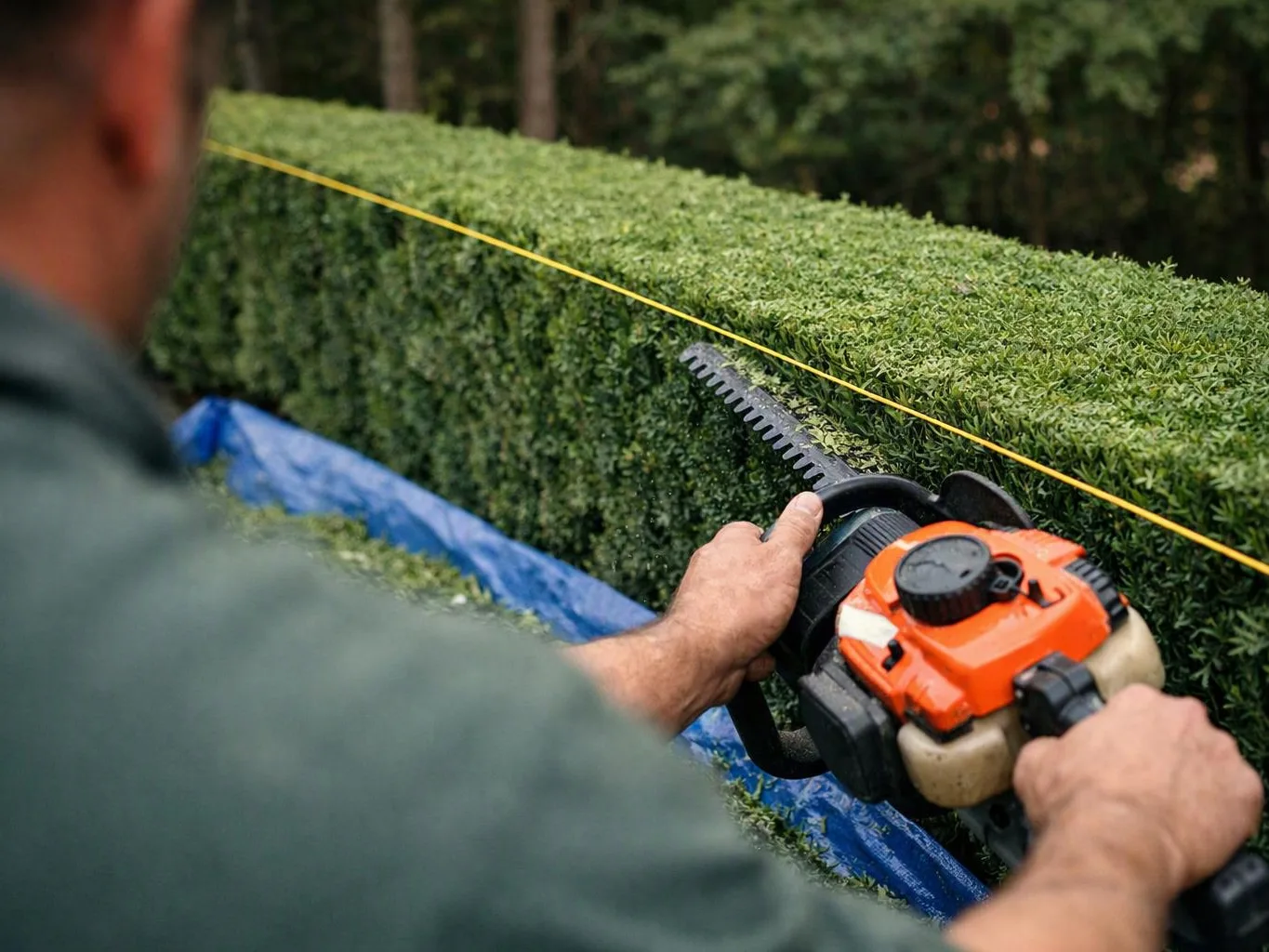
A person trims a neatly shaped hedge with a hedge trimmer outdoors

ZIP Codes We Serve in Kirkland, Washington

980339803498083

Drought-Tolerant Landscaping in Other Areas

(425) 587-8011