
What Is Drip Irrigation?
Drip Irrigation is a watering system that delivers water slowly through small emitters placed along tubing near plant roots. The system sends moisture directly to the soil around each plant, which helps limit overspray and runoff. Landscapers can adjust emitter placement for shrubs, perennials, vegetable beds, and other planted areas.
Quick Facts About Drip Irrigation
Category
Irrigation method
Used for
Plant beds and shrubs
Common confusion
Not a spray sprinkler system
Also called
Dripline irrigation, Drip system
Often discussed with
Drought-Tolerant Landscaping, Native Plant Landscaping
Key Takeaways About Drip Irrigation
- Emitters release water at selected points along flexible tubing.
- Tubing should match plant spacing and root zones.
- Drip irrigation isn't the same as a spray sprinkler system.
How Drip Irrigation Works
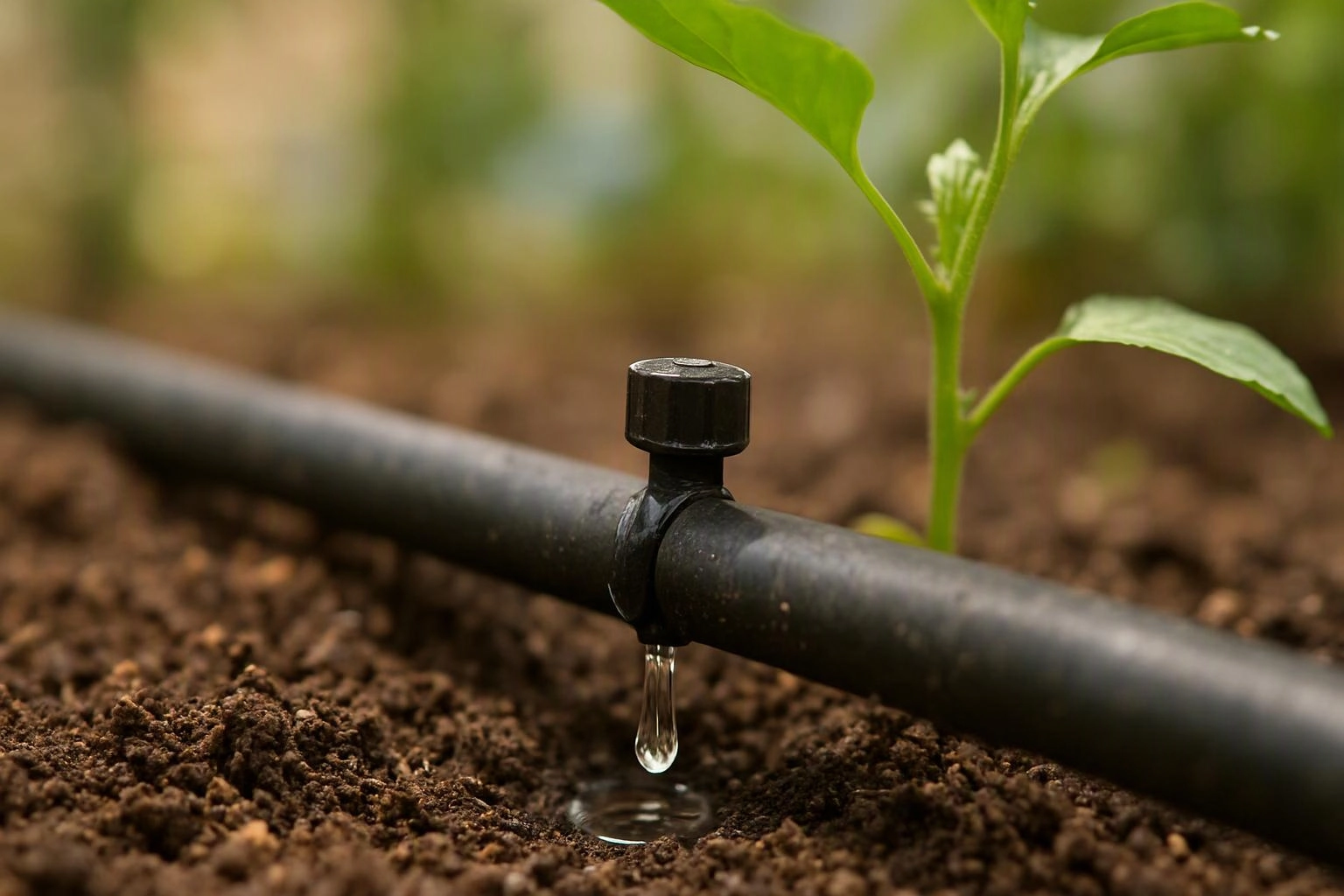
Drip Irrigation moves water from a supply line into narrow tubing. Small emitters release water near selected plants. The water soaks into the soil slowly, so moisture stays close to the root zone.
Related glossary terms: Irrigation Controller, Rain Sensor, Mulch.
A filter helps keep debris out of the tubing, and a pressure regulator helps maintain steady flow. Tubing can run through planting beds, along shrub lines, or beneath mulch. Designers place emitters based on plant type, spacing, soil, and slope.
Gardeners can connect the system to an irrigation controller for scheduled watering. The layout should keep connections accessible so the system can be checked, flushed, and adjusted as plants grow.
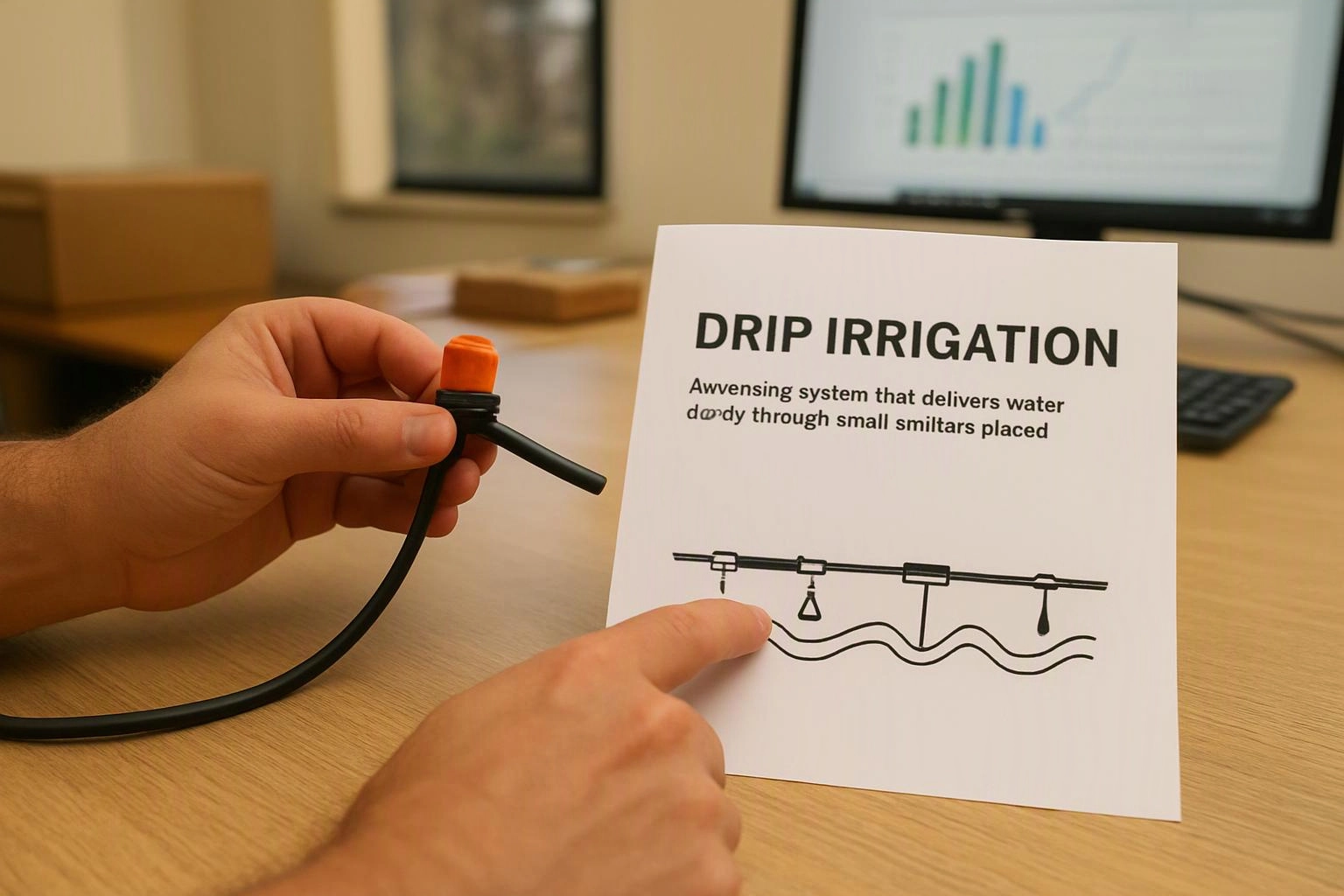
Expert Note
When we plan drip irrigation for drought-tolerant landscaping, we map each plant zone and place emitters near active roots. We check tubing connections, flow, pressure, and coverage after installation. Our team also reviews the layout as plants mature, since root zones and shade can change.
Drip Irrigation in Practice: A Real-World Example
A drought-tolerant planting bed in Issaquah can use tubing beneath mulch to water native shrubs and low-water perennials. Emitters can be placed near each plant, while open areas remain dry.
Related Terms
Irrigation Controller
An irrigation controller is an electronic device that starts and stops watering zones on a set…
Rain Sensor
A rain sensor is an irrigation control device that detects rainfall and signals the sprinkler controller…
Mulch
Mulch is a protective layer placed over soil around plants. It may contain wood chips, bark…
Soil Amendment
A soil amendment is a material mixed into existing soil to improve its structure, drainage, moisture…
LandscaperIssaquahwa.com
Have Questions About Drip Irrigation?
Contact LandscaperIssaquahwa.com for practical guidance on Drip Irrigation and related landscape architect company work in Issaquah.