
What Is a Soil Amendment?
A soil amendment is a material mixed into existing soil to improve its structure, drainage, moisture holding, or nutrient supply. Common amendments include compost, aged manure, lime, and gypsum. The right choice depends on the soil’s texture, drainage, organic matter, and the needs of the plants in the planting design.
Quick Facts About Soil Amendment
Category
Soil improvement material
Used for
Plant establishment and soil structure
Common confusion
Amendment is not the same as mulch
Also called
Soil conditioner, Soil improvement
Often discussed with
Planting Design, Garden Renovation
Key Takeaways About Soil Amendment
- An amendment changes soil properties instead of covering the soil.
- The correct material depends on soil conditions and plant needs.
- Mulch protects the surface but usually isn't mixed into soil.
How Soil Amendment Works
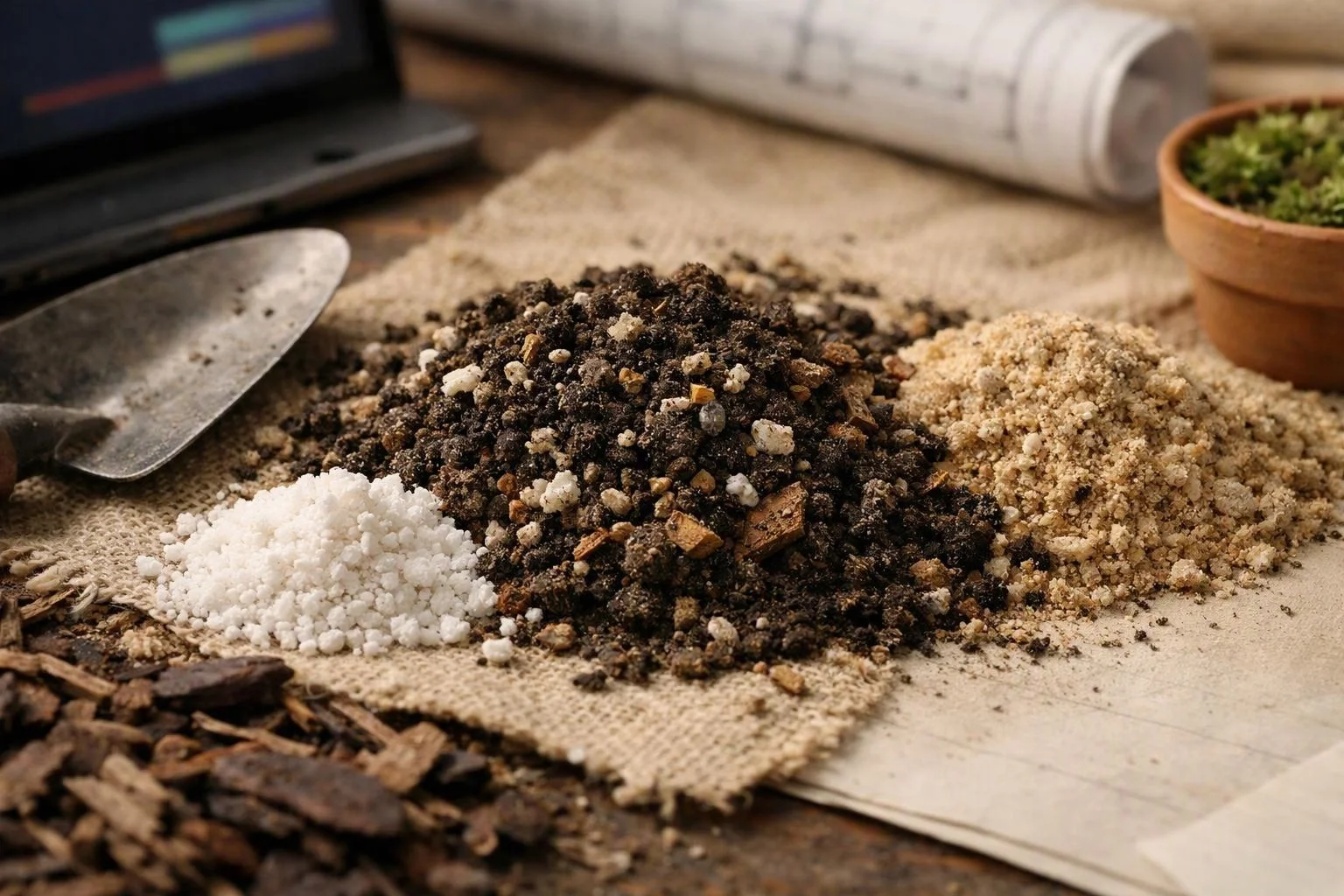
Soil amendment works by changing the physical or chemical condition of existing soil. Organic matter can help dense soil hold air and water, while other materials can address drainage or soil reaction.
Related glossary terms: Soil Compaction, Mulch, Grading.
Planting design starts with the site soil and the plants selected for it. A soil check helps show whether the ground is compacted, sandy, poorly drained, or low in organic matter. The amendment is then mixed into the root zone at a suitable depth. Compost may support soil structure, but it doesn't fix every soil problem.
Expert Note
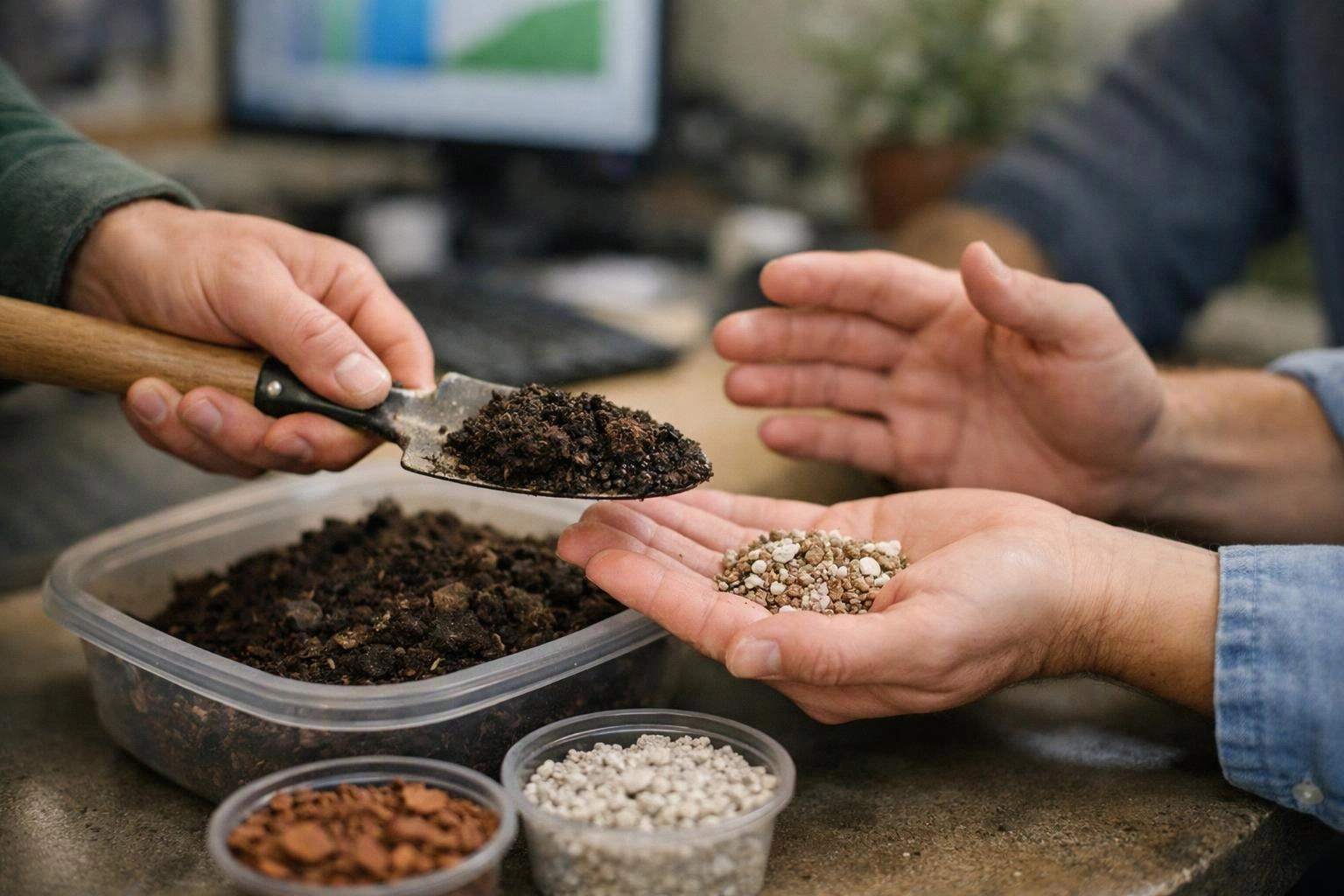
When we plan planting design, we inspect soil texture, drainage, compaction, and existing plant growth. We match any amendment to the selected plants and the site conditions. We also keep amendments in the root zone so they support establishment without creating a sharp change between treated and untreated soil.
Soil Amendment in Practice: A Real-World Example
For a new planting bed in Issaquah, we may find compacted soil that drains slowly after rain. We can incorporate a suitable organic amendment into the root zone before planting shrubs and perennials.
Related Services
Related Terms
Soil Compaction
Soil Compaction is a condition where soil particles are pressed tightly together, reducing the open spaces…
Mulch
Mulch is a protective layer placed over soil around plants. It may contain wood chips, bark…
Grading
Grading is the planned shaping of soil to create useful slopes and level areas on a…
Root Ball
A root ball is the mass of roots and soil that supports a plant when the…
LandscaperIssaquahwa.com
Have Questions About Soil Amendment?
Contact LandscaperIssaquahwa.com for practical guidance on Soil Amendment and related landscape architect company work in Issaquah.