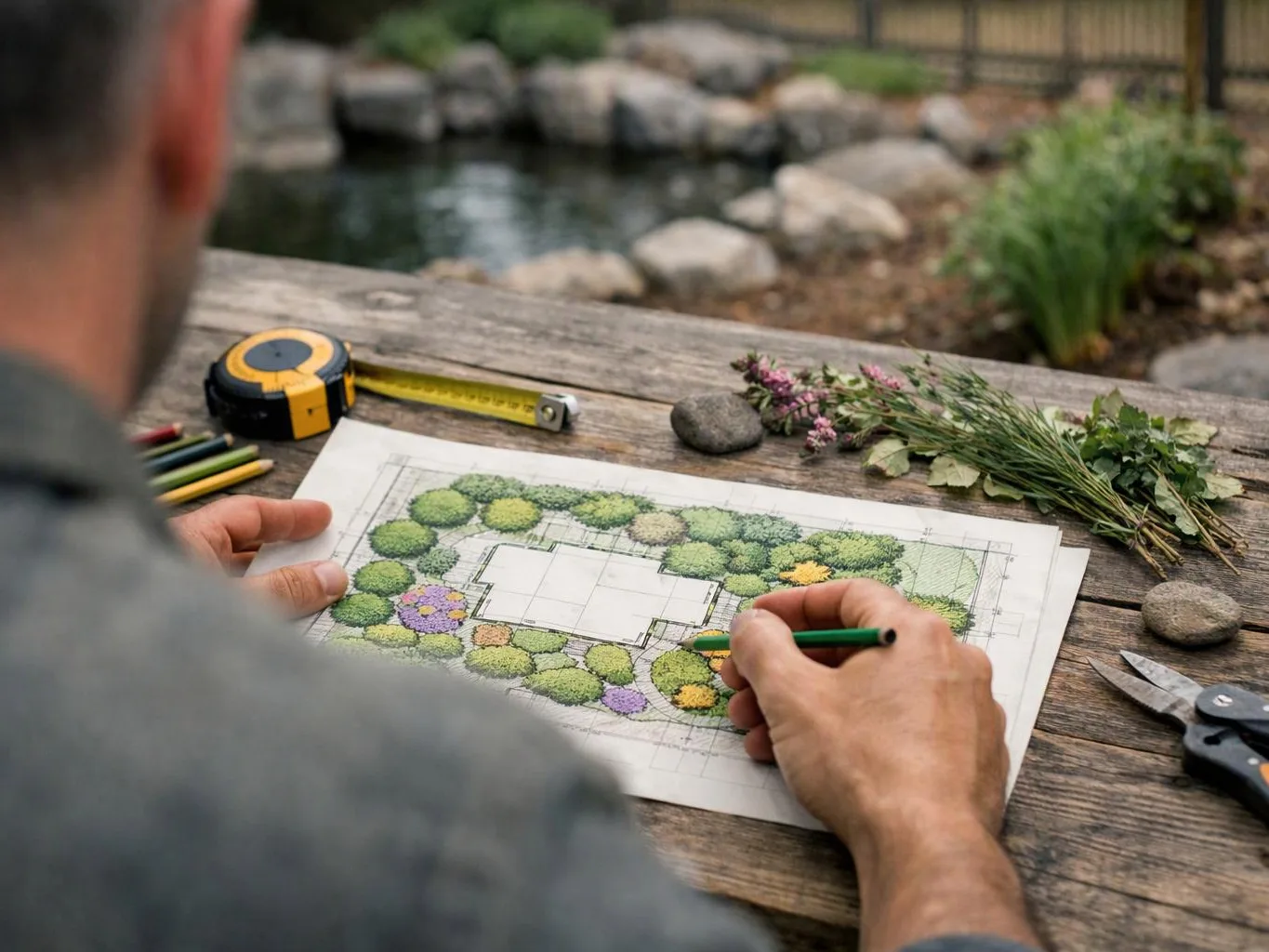
Inspect the hedge line
We check height, width, density, bare areas, branch direction, and nearby paths or structures before deciding the cutting scope.
We shape hedges for residential properties and planned outdoor spaces. Our team checks growth, access, planting beds, and the hedge's final outline before work begins.
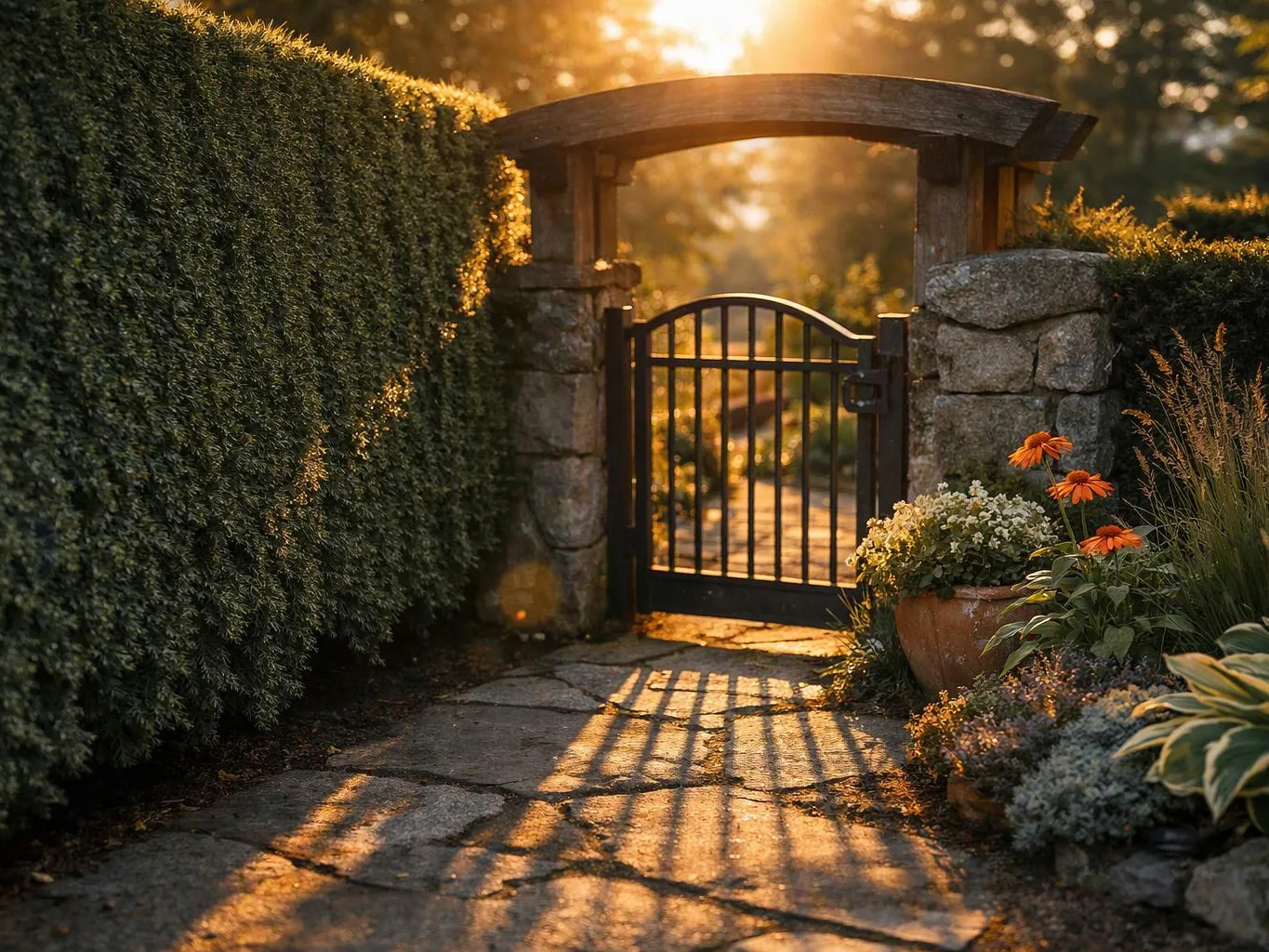
Paths and gates gain clearer space when hedge growth crosses their edges.
A controlled hedge outline gives planting beds and hardscape a sharper boundary.
Balanced side cuts help the hedge fit the property's wider garden layout.
A measured reduction helps avoid taking more growth than the hedge can carry well.
Hedge Trimming is a garden service that cuts hedge growth to control height, width, density, and shape.

Hedge trimming controls the hedge's outer shape, height, width, and access clearance. The work may include cutting the top, refining both sides, removing stray growth, and clearing branches from paths or gates. The right cut depends on the hedge's current form and its place in the garden. A hedge beside a walkway needs a different outline from one used as a boundary. We also consider nearby planting beds, fences, walls, and outdoor living areas. Our preferred approach is to set the final shape before cutting heavily. Severe reduction can expose bare inner wood or leave a hedge with weak visual balance. Regular maintenance helps preserve the chosen line, but the scope still depends on present growth and plant condition.
We check height, width, density, bare areas, branch direction, and nearby paths or structures before deciding the cutting scope.
We agree on the intended top and side lines, then account for gates, fences, planting beds, and sight lines.
We reduce stray and overgrown branches while keeping the hedge's overall face even and its base supported by adequate light.
We review the hedge from common viewing points and inspect paths, gates, beds, and hardscape for remaining interference.
We describe what the hedge may need next, based on its shape, growth pattern, and place within the property.
A few clear details help us understand the hedge's current condition and the result you want.
We outline hedge height, side cuts, access clearance, cleanup, and related planning details before work begins.
We match the hedge outline and reduction scope to each property's layout, planting style, access needs, and budget.
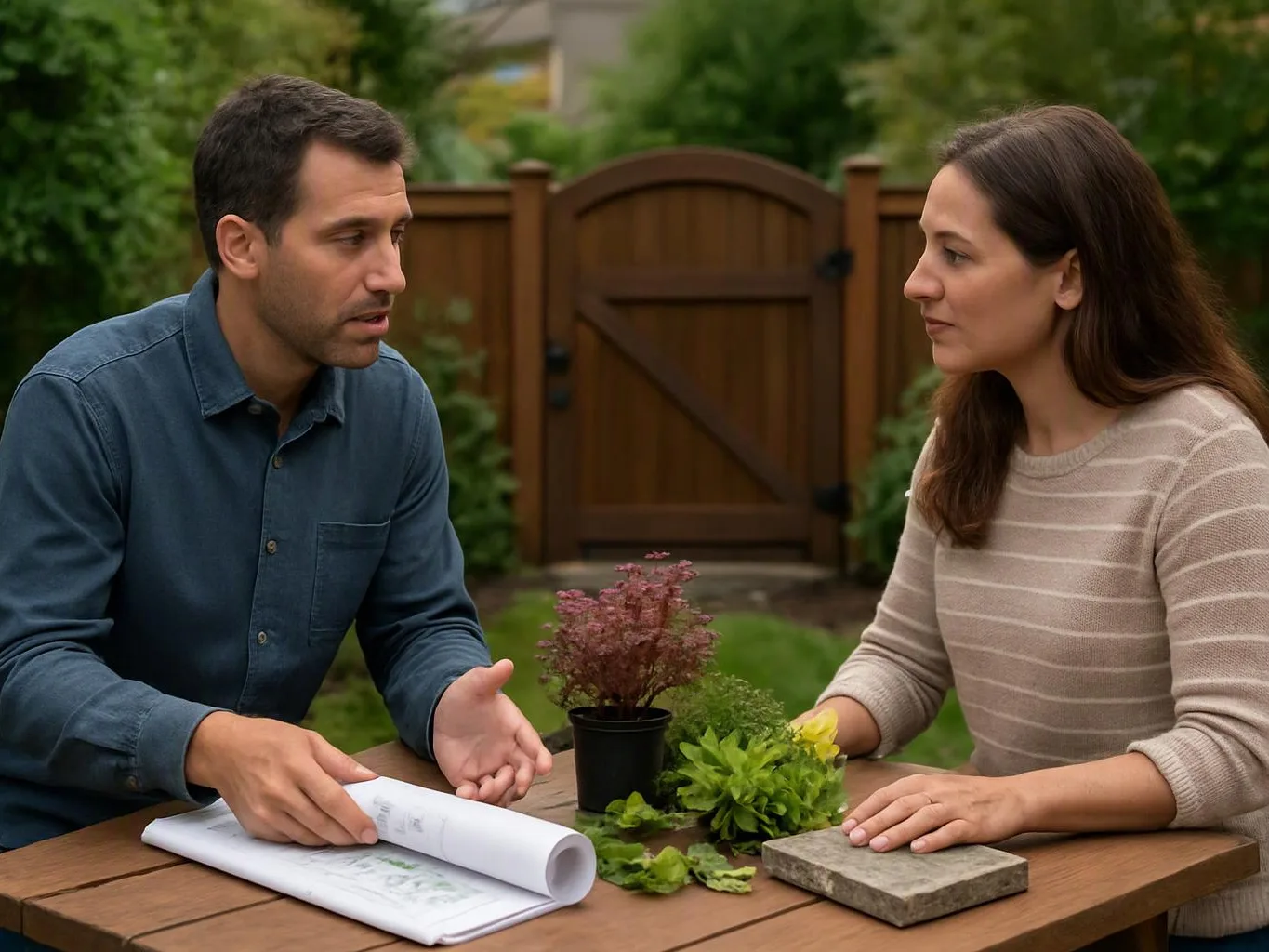
We explain the proposed hedge shape, cutting scope, access needs, and follow-up care during consultation and planning.

Adam has done landscaping jobs on our property, and we couldn’t be happier with the results. We managed to turn our backyard into a mini park, and the expense was more than reasonable. We also changed our high maintenance front yard into a low maintenance clean look that doesn’t demand weekly attention. When you get to the time of picking plants, Adam will meet you at the nursery and he’ll give you excellent advice as to what plants are best suited for your layout and expected results, and your plants are guaranteed for one year, so if some don’t take, he’ll replace them with new ones. Both jobs added value and usability to our place, and now we’re able to enjoy our yard year round

Adam's crew just finished my front and back yard makeover and I could not be more pleased with how it turned out. From start to finish, everything went smoothly and now I have a yard that I can be proud of. Thank you Adam, Alex and crew!!

Adam has a great eye for design and always offers suggestions that improve our original vision. He is professional and detail oriented and does great work. We have been happy with everything he has asked us to do and have had him out for several projects. He is also a really nice person and great to work with!
Share your hedge location, access points, and desired shape. We’ll discuss the scope, review the property conditions, and prepare a quote for the work.
A hedge that reaches across a walkway can narrow access and hide the edge of nearby planting. The cut should restore room without taking away more foliage than the plant can support. We’ll inspect the path, gate, and hedge face first, then prepare a quote based on the needed clearance and final outline.
Fence-side hedges often grow at different rates because branches meet changing light and space conditions. A flat cut may leave one section thin and another section heavy. We’ll review the full line, identify the sections that need shaping, and set a consistent form that fits the fence and surrounding garden.
An overgrown boundary hedge can spread into planting beds, gates, and usable yard space. The key decision is whether the hedge needs light shaping or a deeper reduction, since aggressive cuts can expose bare inner growth. We’ll inspect its density and structure before discussing the safest practical scope.