How does native plant landscaping benefit local ecosystems?
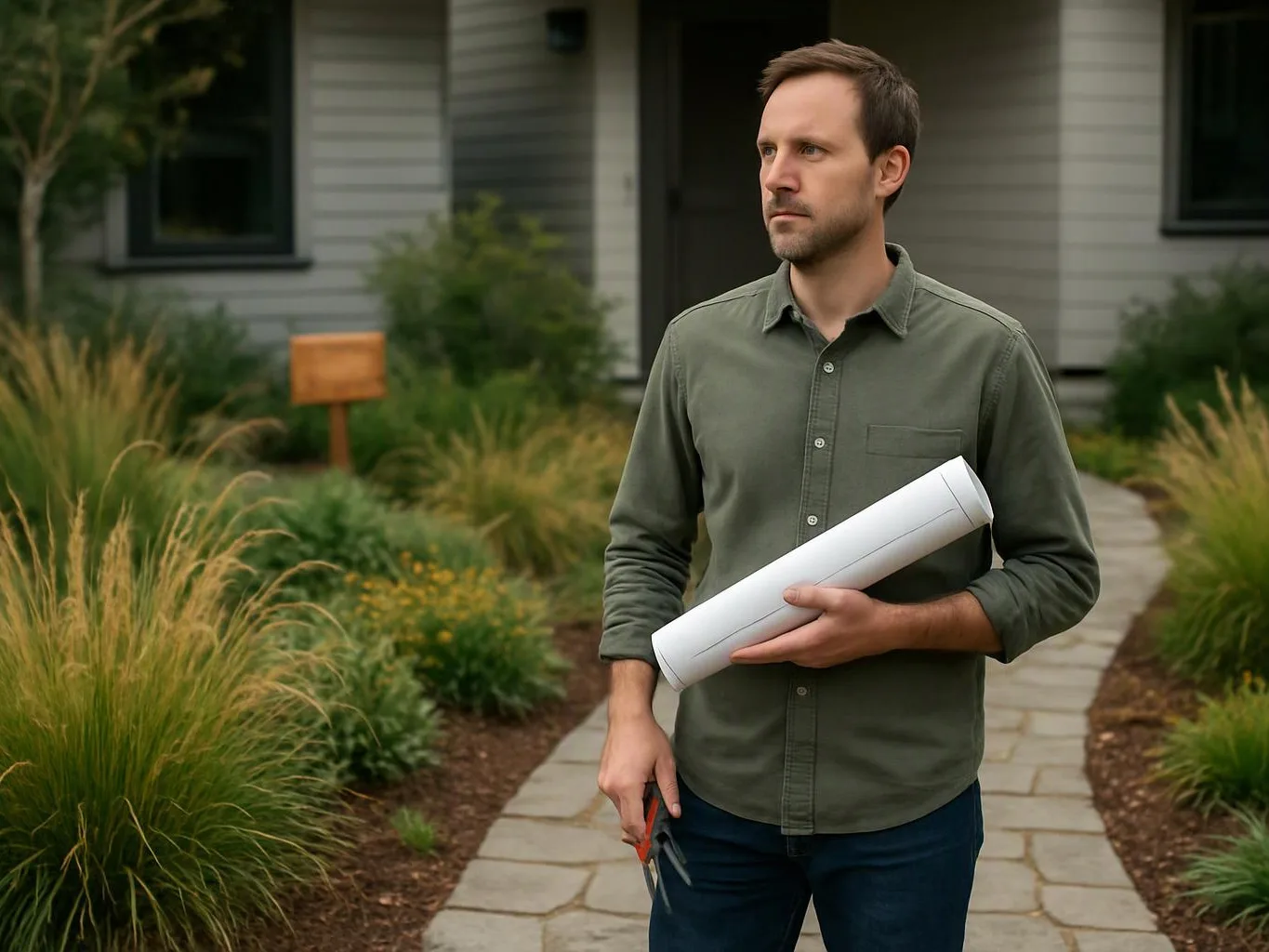
Wildlife food improves when native plants add suitable sources of shelter and nourishment. Pollinator habitat also grows when plant choices support insects across the garden. We review soil, slope, drainage, sunlight, and existing plants before choosing a layout. Biodiversity support works best when planting fits the property and receives the care needed after installation.
What should I send before requesting a planting estimate?
Property photos, planting goals, access details, and existing site information help shape an accurate quote. Useful details include the areas you want planted, nearby patios or walkways, drainage concerns, and your preferred maintenance level. A site discussion then helps us define the work, plant selection, and any related construction.
Which site conditions change the planting plan?
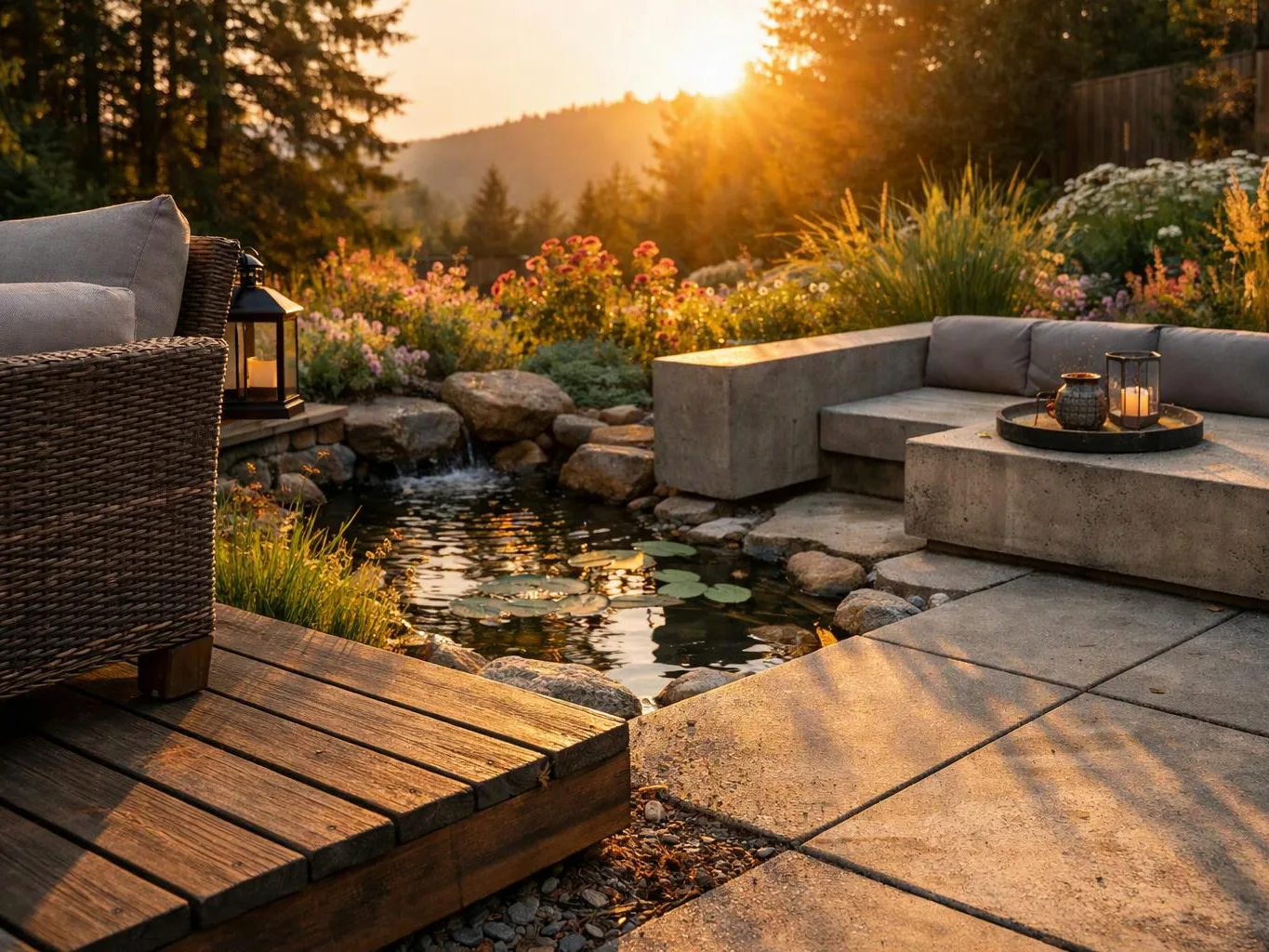
Soil, slope, drainage, sunlight, and existing hardscape change the planting plan. These conditions affect where plants can grow and how people move through the garden. Water features, retaining walls, patios, and walkways also affect placement. We use the site review to set a practical layout before plant selection is finalized.
When is native plant landscaping the wrong service?
Routine lawn mowing or hedge trimming does not need native plant landscaping. Native planting fits customers who want a designed garden with habitat value, plant selection, and installation. A separate maintenance service may suit a property that only needs recurring care. We discuss the goal first so the requested work matches the property.
Why connect native planting with hardscape design?
Hardscape edges affect access, drainage, planting space, and the view across the garden. Connecting the two plans helps place plants beside patios, paths, retaining walls, and water features without blocking their use. Our design-to-build process keeps those choices together when one project includes both planting and construction.
How does the work progress from the first call to completion?
The work moves from a site review to goals, plant layout, material choices, construction, and care guidance. We first discuss the property and the areas you want changed. Then we prepare the planting direction, coordinate related outdoor elements, complete installation, and explain ongoing care. The scope determines which steps apply to your project.
What does a landscape architect-LED planting plan add?
A landscape architect-led planting plan connects plant choice with soil, slope, drainage, access, and the full property layout. The plan can also coordinate gardens with patios, walkways, walls, water features, and lighting. Our team combines formal landscape architecture education with construction experience, so design decisions stay tied to how the space will be built.