Choosing a Landscape Design Provider for a Commercial or Residential Property in Issaquah, Washington
Commercial landscape design serves shared-use properties with operational, access, and maintenance needs, while residential landscape design focuses on private outdoor living and household use. LandscaperIssaquahwa.com compares both paths so you can choose the right landscape designer for your property.
Written by Adam Gorski · 29 years of local experience
Request an EstimateQuick Picks
Commercial and residential landscape design solve different property problems. The right choice depends on who uses the space, how the site operates, and what the project must include.
- Commercial landscape design fits offices, retail sites, shared-use spaces, and properties with visitor or tenant access.
- Residential landscape design fits homes where outdoor living, privacy, gardens, and household use guide the plan.
Commercial and Residential Landscape Design Compared
Commercial landscape design fits shared-use properties and operational demands, while residential landscape design fits private outdoor spaces and household priorities. A landscape designer should match the project scope, maintenance needs, site conditions, and property goals to the property type.
| Factor | Commercial Landscape Design | Residential Landscape Design |
|---|---|---|
| Best for | Shared-use properties, tenants, employees, customers, and multiple buildings | Households, private yards, gardens, and outdoor living |
| Project scope | Site planning, parking areas, pedestrian access, planting, irrigation, drainage, and maintenance | Patios, walkways, planting, privacy, gardens, drainage, and household outdoor use |
| Maintenance | Planned around visibility, access, safety, and regular property operations | Planned around homeowner preferences, plant care, and long-term upkeep |
| Timeline | May require more coordination when access, tenants, or multiple site areas are involved | Often follows the home's access, household decisions, and selected design scope |
| Cost drivers | Site size, access planning, hardscape, irrigation, drainage, planting, and maintenance demands | Property conditions, patio or walkway work, plant selection, grading, drainage, and upkeep |
What Commercial Landscape Design Includes
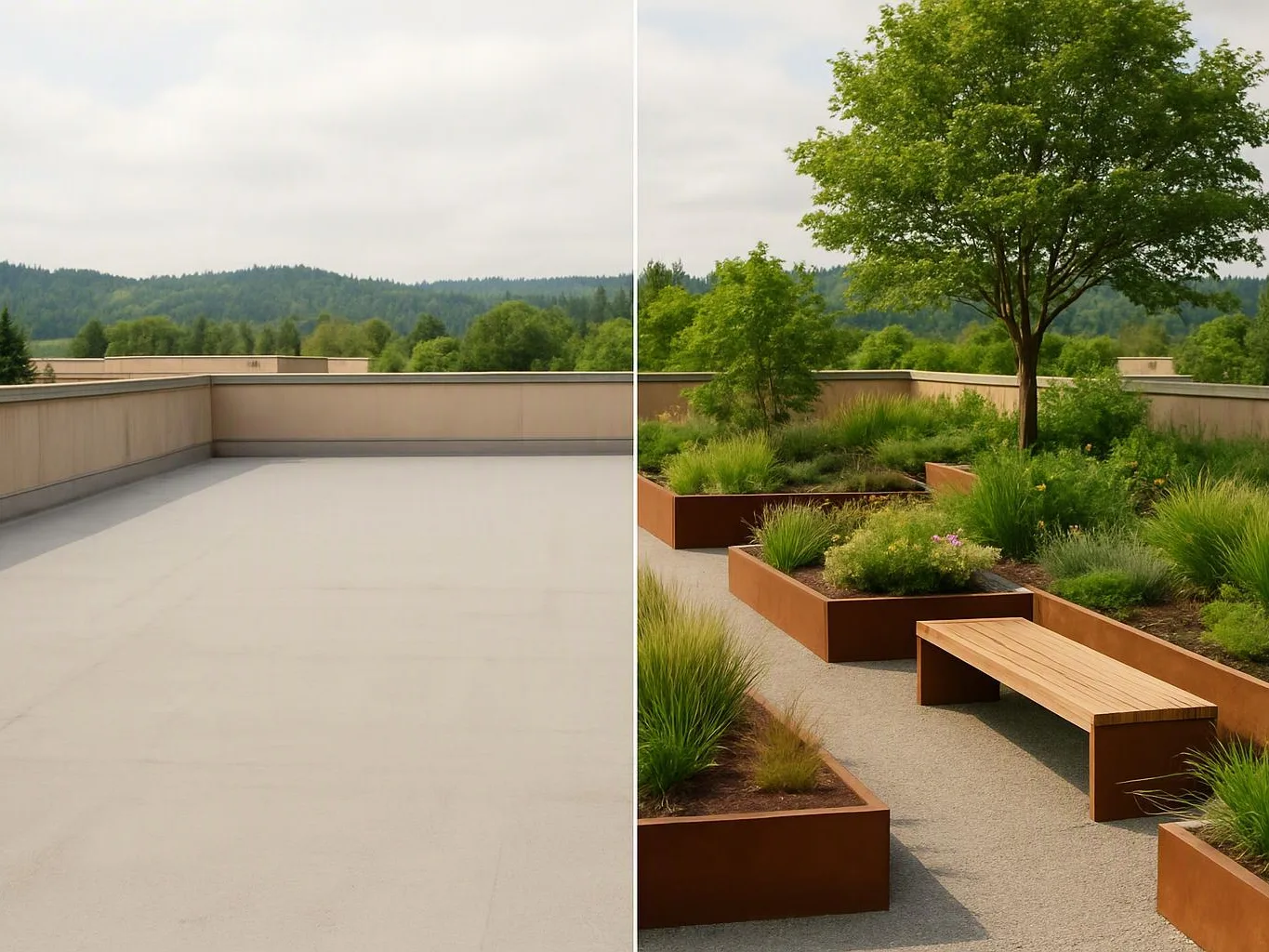
Commercial landscape design coordinates outdoor areas around access, safety, appearance, maintenance, and daily property use. We begin with site planning that accounts for pedestrian access, parking areas, building entries, and shared-use space.
Our design can connect planting design with irrigation and drainage needs. We also consider how landscape maintenance will happen without disrupting visitors, tenants, employees, or deliveries.
Commercial properties with slopes need careful review of grade changes, runoff, and access. In Issaquah, Washington, some uneven sites make drainage design and stable transitions especially important.
Advantages of Commercial Landscape Design
Commercial landscape design is the better fit when outdoor areas serve employees, customers, tenants, or multiple buildings. A clear plan helps connect appearance with property operations.
Best for: Commercial properties with shared use, multiple users, or ongoing site operations.
What Residential Landscape Design Includes
Residential landscape design shapes private outdoor areas around household use, comfort, appearance, and long-term upkeep. We connect outdoor living goals with garden design, planting design, and practical site conditions.
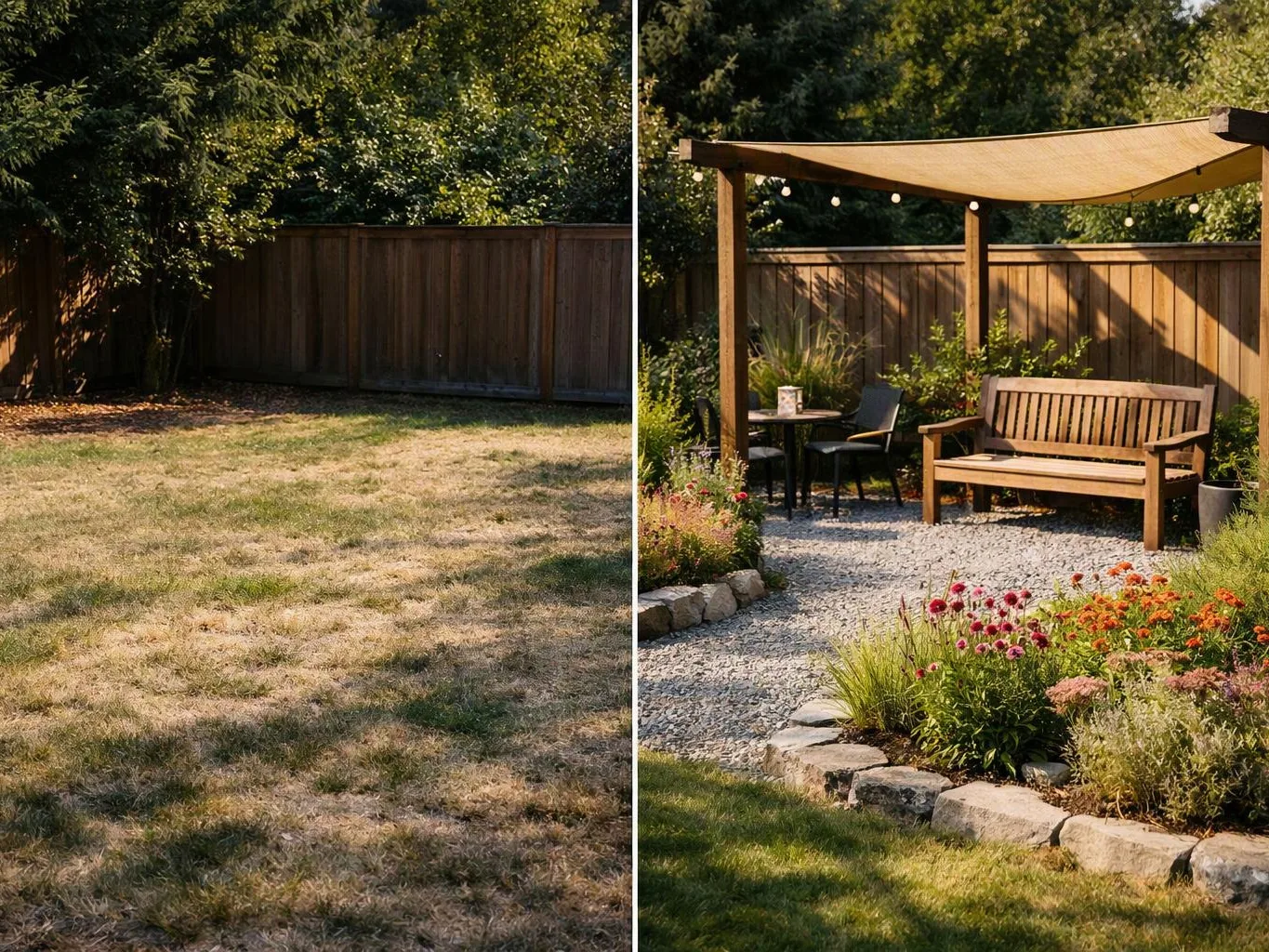
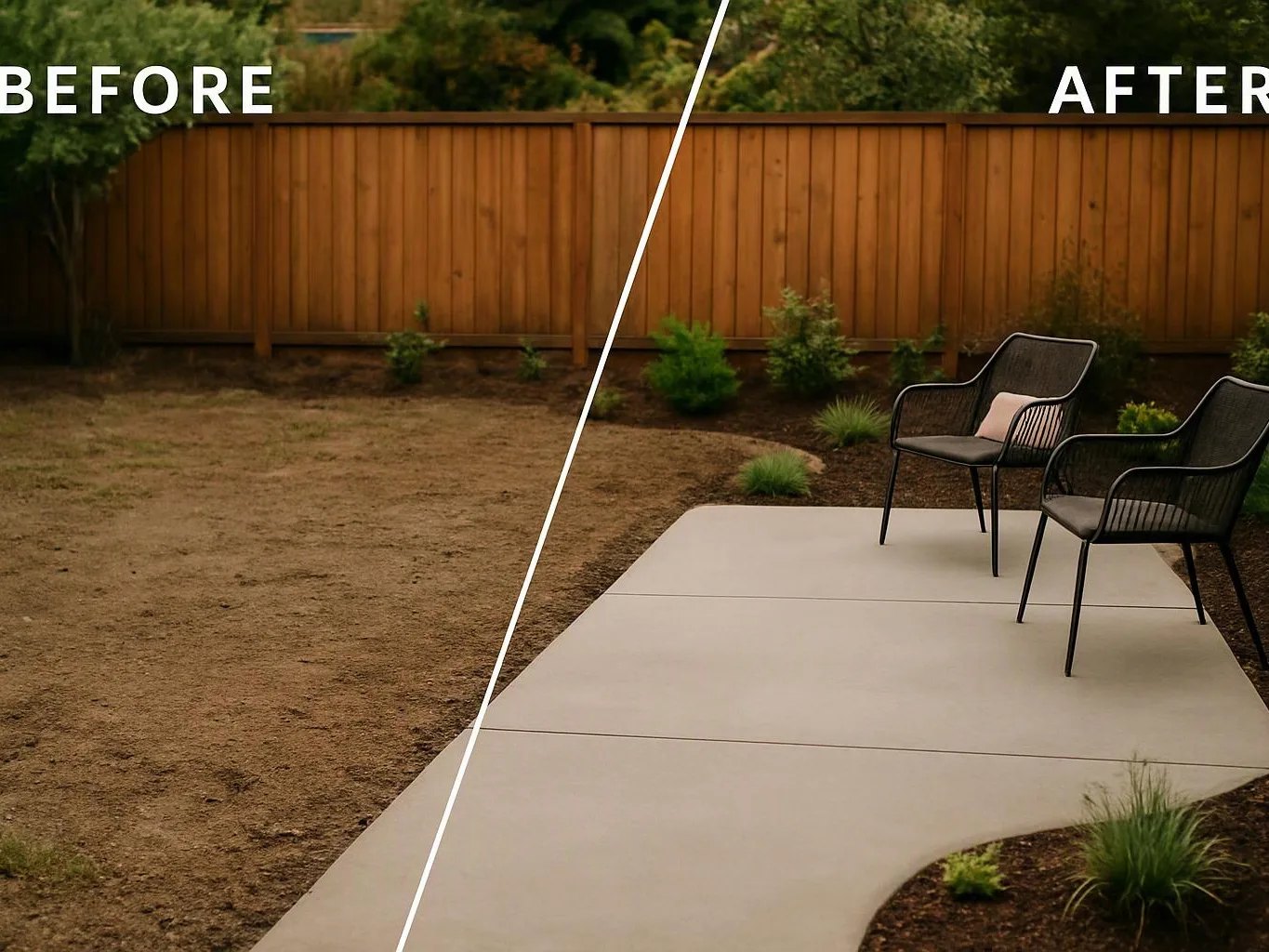
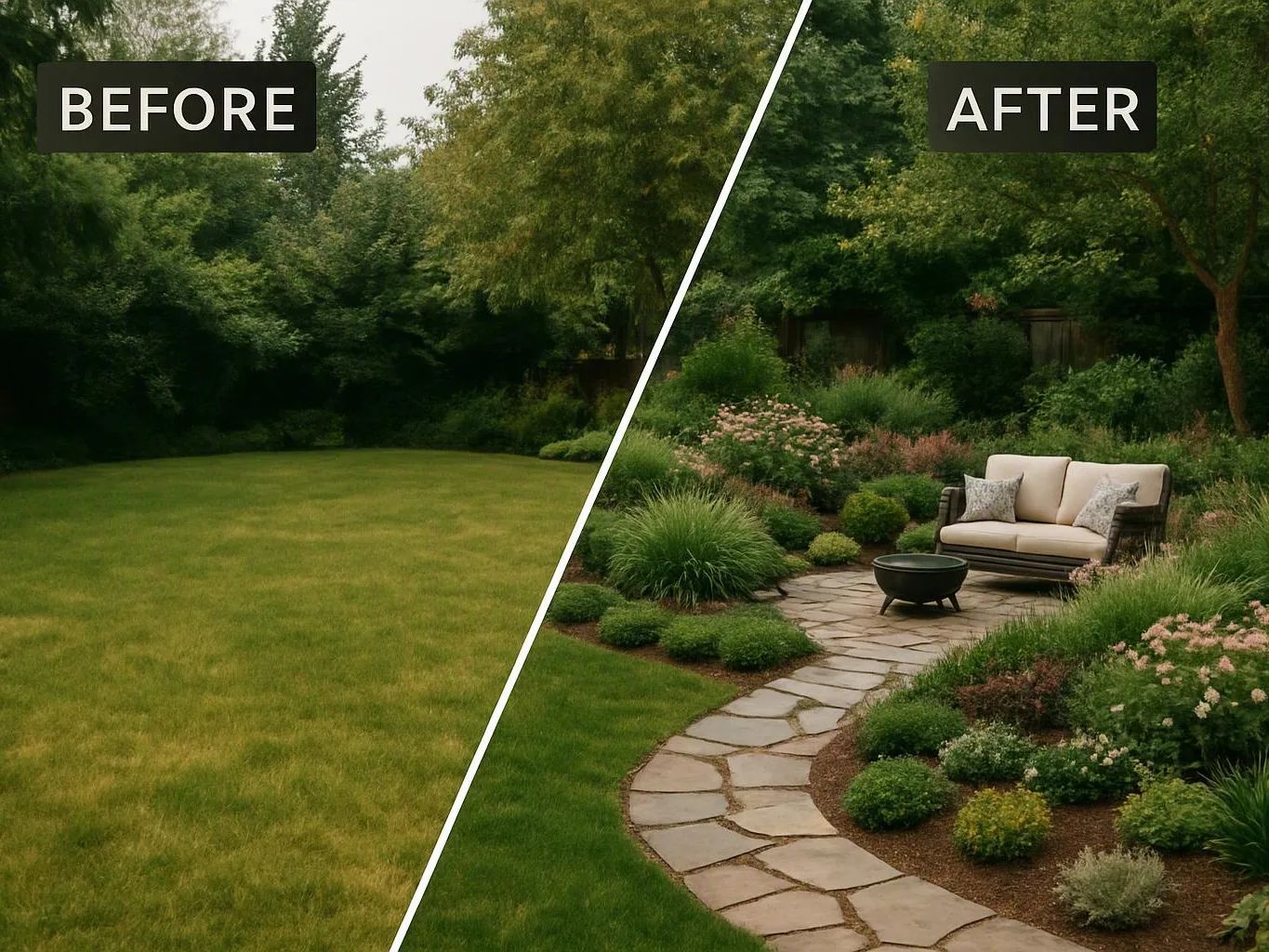
A residential plan may include a patio, walkway, privacy planting, drainage design, or a garden renovation. We review existing landscape features so the new work fits the home and uses the available space well.
Sloped residential properties may need careful grading, walkway transitions, retaining wall planning, or runoff control. Our site assessment helps identify these needs before the quote scope is set.
Advantages of Residential Landscape Design
Residential landscape design is the better fit when the project centers on a household's outdoor lifestyle and property preferences. The plan can balance comfort, privacy, plant selection, and upkeep.
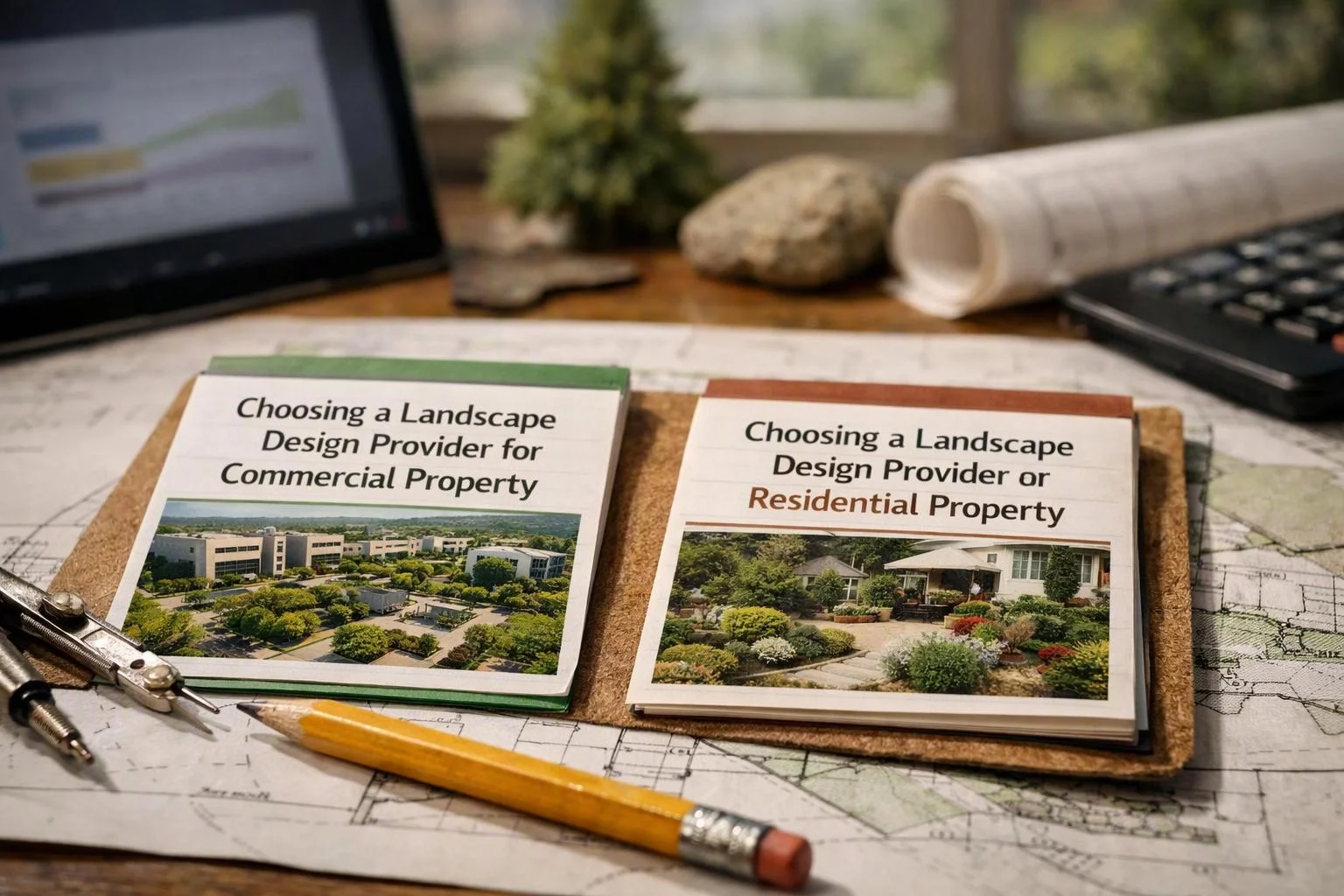
Best for: Residential properties where household use and outdoor living guide the design.
Which Property Factors Change the Design and Quote?
Property size, access, existing conditions, grading, drainage, materials, planting, and maintenance needs shape the design and quote. We review each factor because two properties with similar goals can require different work.
Site assessment covers the existing landscape, soil conditions, grade changes, runoff, and available access. Plant selection also depends on soil moisture, plant water needs, sun exposure, and the maintenance plan.
Hardscape choices can include a patio, walkway, or retaining wall. Irrigation and drainage may add planning needs when water movement, slopes, or seasonal moisture affect the site.
Our quote explains the agreed project scope and the work included. Requesting a quote from our team is the best way to match the design with your property's actual conditions.
How We Plan a Commercial or Residential Landscape Project
Our landscape design process connects property goals with site conditions before we define the quote scope. Each step helps separate essential work from optional improvements.
Our team can also explain whether a design-build approach or separate design and construction roles better match the project. The choice depends on the scope, communication needs, and how much coordination the property requires.
What to Ask Before Choosing a Landscape Design Provider
Ask how the landscape designer will assess the site, define the scope, plan maintenance, and explain the quote. Clear answers help you see whether the proposed service matches the property.
Commercial buyers should also ask how the plan supports visitor access, tenant use, and daily operations. Homeowners should ask how the design supports outdoor living and household preferences.
Choose the Right Landscape Design Service for Your Property
The right landscape design service follows property type, site conditions, maintenance needs, access, and project goals. Commercial landscape design supports shared-use properties, while residential landscape design supports private outdoor living.
We provide both service paths and can help define the project scope through a design consultation. Our landscape designer service connects site assessment, planting design, hardscape, irrigation, drainage, and quote planning.
When you’re ready, share how the property is used and what you want changed. We’ll use that information to shape a practical landscape design service for the site.
How to Choose a Landscape Design Provider
A landscape design provider should explain the scope, site review, materials, maintenance plan, and quote details clearly. Use the following checklist before approving a design.
Warning signs include a vague scope, no site assessment, unclear drainage planning, or a quote that does not explain included work. We recommend resolving those questions before design approval.
Questions About Choosing Commercial or Residential Landscape Design
Can one landscape design provider handle both commercial and residential projects?
Yes, one landscape design provider can handle both project types when the team understands their different scopes. We plan commercial work around shared use and operations, while we plan residential work around household use and outdoor living.
What should a commercial property owner include in a landscape design brief?
A commercial property owner should include property goals, site access needs, tenant or visitor use, maintenance expectations, and known drainage concerns. Building entries, parking areas, planting areas, and delivery routes also help us define the project scope.
What should a homeowner prepare before requesting a landscape design quote?
A homeowner should prepare household goals, preferred outdoor living uses, privacy needs, existing landscape concerns, and maintenance preferences. Photos, rough property information, and notes about drainage or grade changes can help our team plan the site assessment.
How does existing drainage affect commercial or residential landscape design?
Existing drainage affects grading, planting, hardscape placement, irrigation planning, and maintenance needs. Our team reviews runoff and soil moisture during the site assessment so the design responds to how water moves across the property.
Author: Adam Gorski
Our team serves commercial and residential landscape design needs in Issaquah, Washington. Contact us to discuss your property and request a quote.
Related Resources
Signs Your Garden Needs More Than Routine Maintenance
What Goes With ItLandscape Design Principles: How to Create a Cohesive Outdoor Space
What Goes With ItHow Landscape Design Plans Use Drawings, 3D Models, and Site Data
What Goes With ItHow Commercial Landscape Design Coordinates Site Features and Planting