How do I identify drainage failures before they damage the landscape?
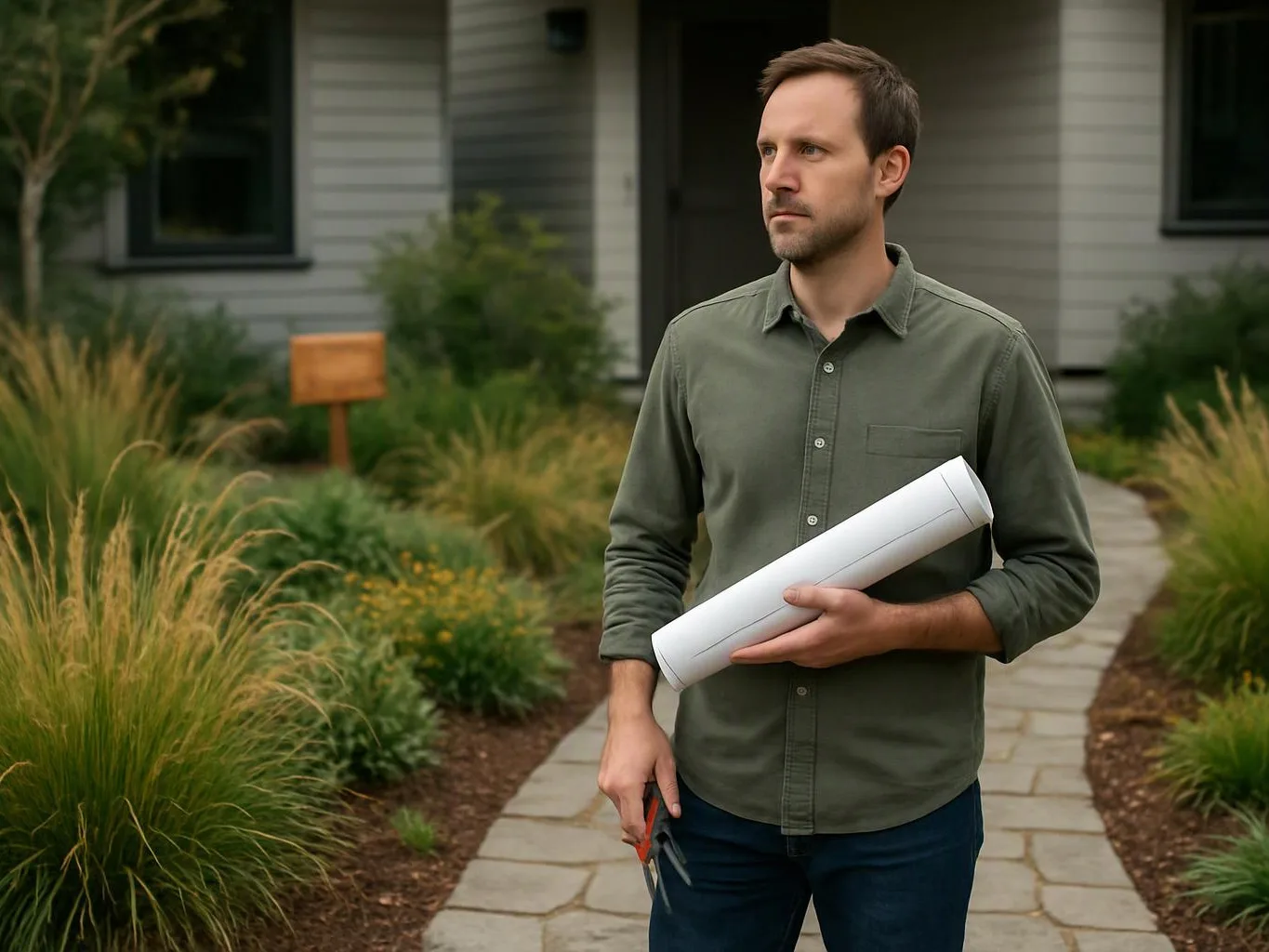
Muddy pathways are an early warning sign of drainage failure. Check for standing water, soil washout, silt buildup, exposed roots, and flow toward structures. We inspect the full site, including slopes, planting beds, paths, and hardscape, then connect those signs to a workable design scope. Early review helps you decide whether the next step is drainage construction, grading, or surface repair.
What does your first site visit check for?
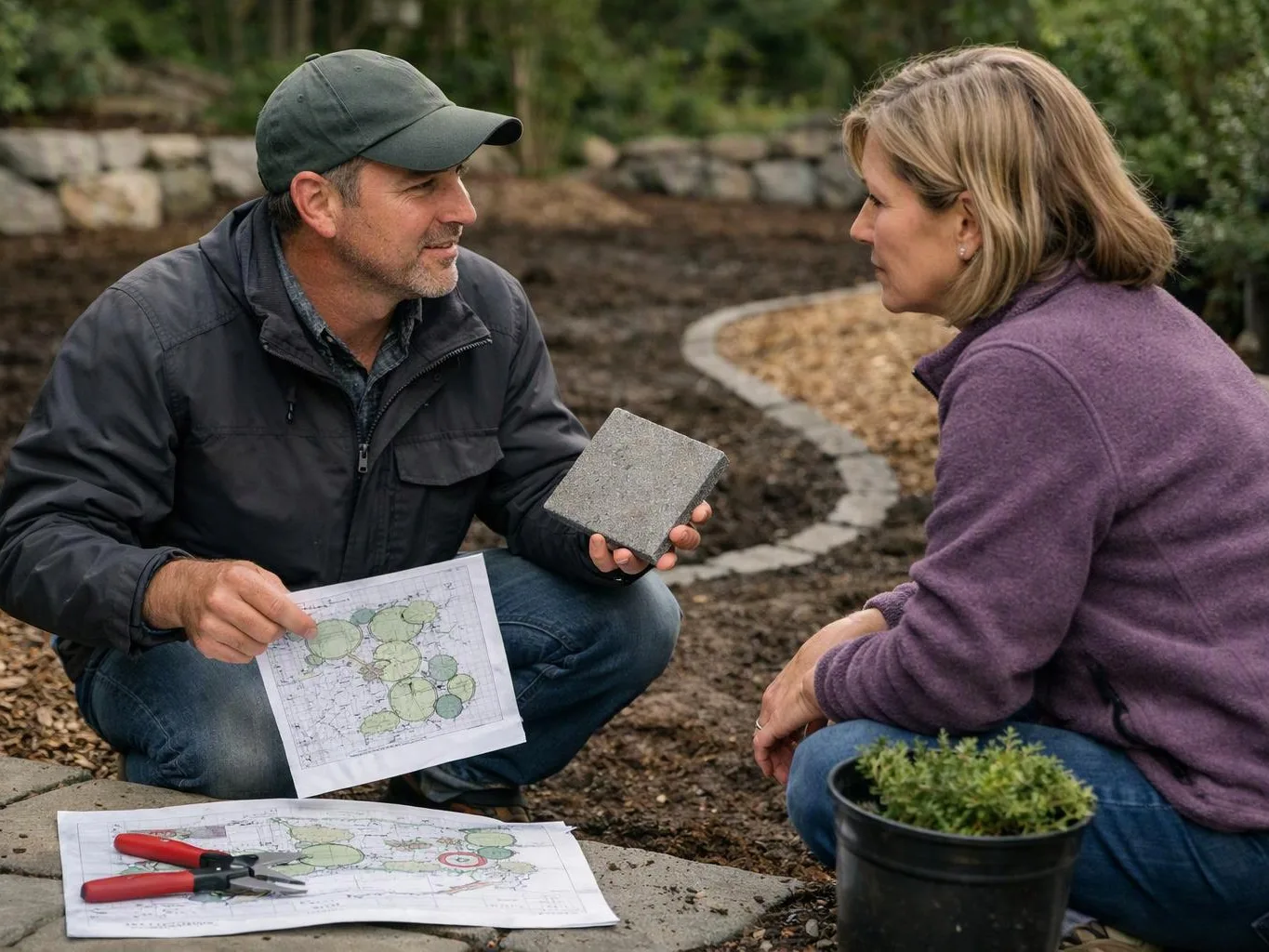
The first site visit checks soil, slope, low points, path edges, planting beds, and visible runoff marks. We also look at nearby patios, retaining walls, and walkways because they can change how water crosses the property. Customers receive a clearer view of the problem before choosing materials or combining drainage work with another outdoor installation.
Which part of this job changes the quote most?
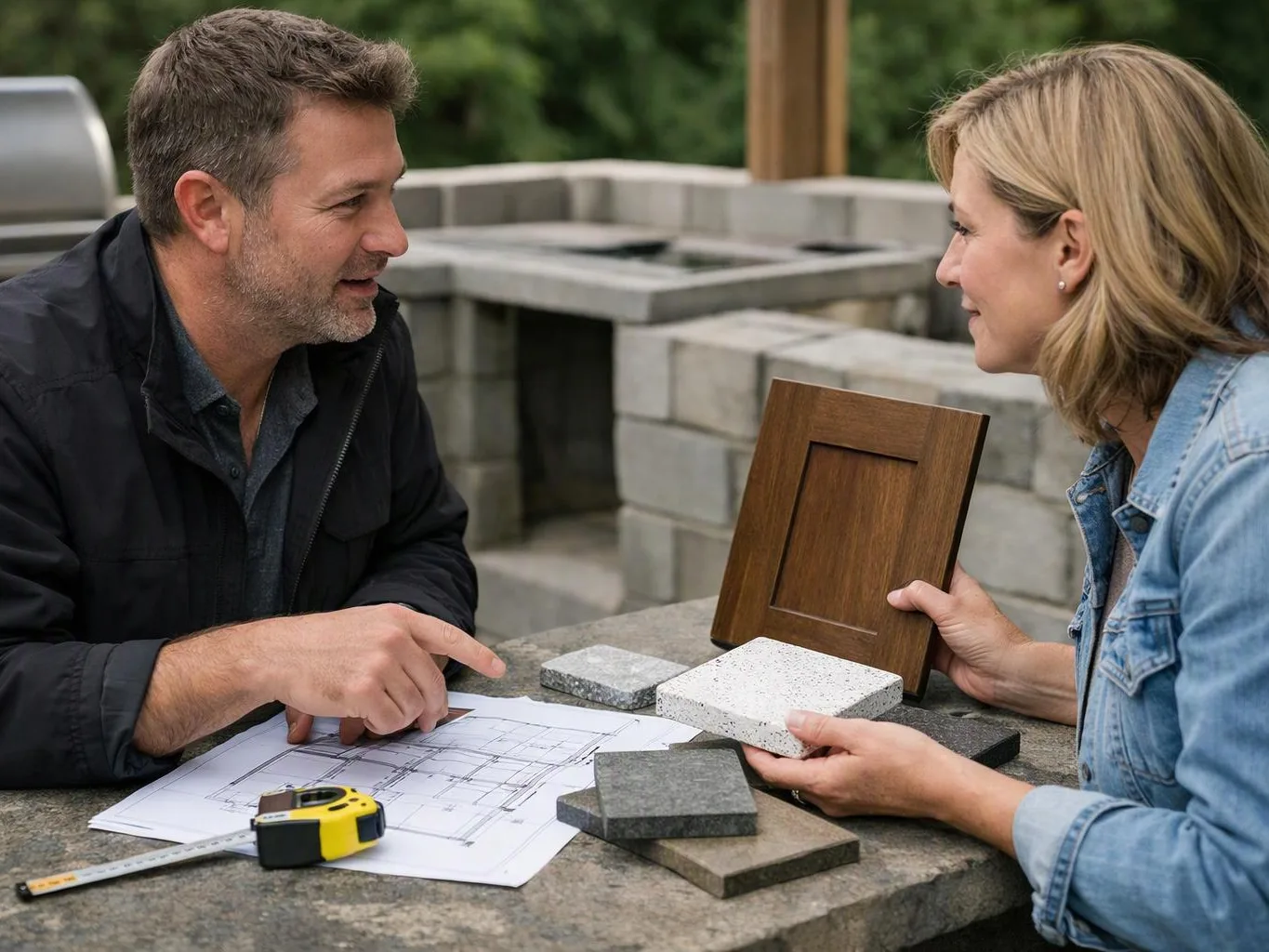
Site access, affected area, soil condition, slope, and related construction usually shape the quote. A drainage concern tied to a walkway or retaining wall may need a broader design scope than a small isolated wet spot. We discuss those factors before preparing a quote, and our pricing is set around the work requested for the property.
When is drainage work the wrong first service?
Drainage work is the wrong first service when a plumbing leak, structural failure, or damaged path surface causes the visible problem. Site review helps separate those conditions from runoff and soil movement. Customers should share signs such as basement seepage, cracked hardscape, or water appearing without rain so the next trade or repair scope is easier to identify.
Why does silt keep collecting beside a walkway?
Silt keeps collecting beside a walkway when runoff carries loose soil toward a lower edge. We trace the flow uphill, inspect exposed soil and planting beds, and check whether the path or nearby grade concentrates water. In Federal Way, customers can request a quote after sharing photos and noting where the silt first appears.
How can drainage work fit a new planting plan?
A planting plan can place suitable plants around the site's wet and dry zones. We consider soil, slope, drainage paths, access, and the relationship between plants and hardscape before construction. Customers who want a broader outdoor change can combine drainage planning with garden design, lawn installation, retaining walls, or walkways.
What should I prepare before requesting a drainage quote?
Photos, affected locations, recent water patterns, and existing landscape plans help frame a drainage quote. Note whether the problem follows rain, irrigation, or a plumbing event, and mark nearby paths, patios, walls, and planting beds. Those details give us a useful starting point for discussing the property and the scope of a consultation.