Which landscape features reduce maintenance work most?
Ground covers reduce exposed soil and help limit weed growth. Low-maintenance plants, drip irrigation, weed barriers, and mulched borders can support the same goal when the layout suits the property. We review light, soil, slope, drainage, and access before placing them. Regular maintenance remains part of keeping the planting beds healthy.
How does a designer match plants to my property?
Plant selection follows the property's soil, light, drainage, slope, and intended use. The planting plan also considers mature size, bed access, irrigation needs, and how each group relates to nearby paths or structures. You can share preferred colors or plant types, and we can work those ideas into the wider design.
What changes the quote for a planting and hardscape plan?
The work scope, site conditions, materials, planting quantity, and construction features shape the quote. A plan with patios, retaining walls, lighting, and water features requires different decisions from a planting-only project. We review the property and requested deliverables before preparing a quote, so the scope reflects the work you want.
When should I request design help for a full yard update?
Request design help before buying plants or building permanent features. Early planning lets the layout account for paths, patios, drainage, irrigation, lighting, and mature plant size. A clear plan also helps separate work that belongs in construction from care that belongs in regular maintenance. We can discuss your priorities before the project scope is set.
What should I prepare before the first design discussion?
Photos, property goals, problem areas, preferred plants, and ideas for outdoor use make the first discussion more useful. Note where you want seating, paths, lawn, privacy, or planting beds. Existing plans can help, but we still need to review actual site conditions before final design choices are made.
Who provides the design and construction path?
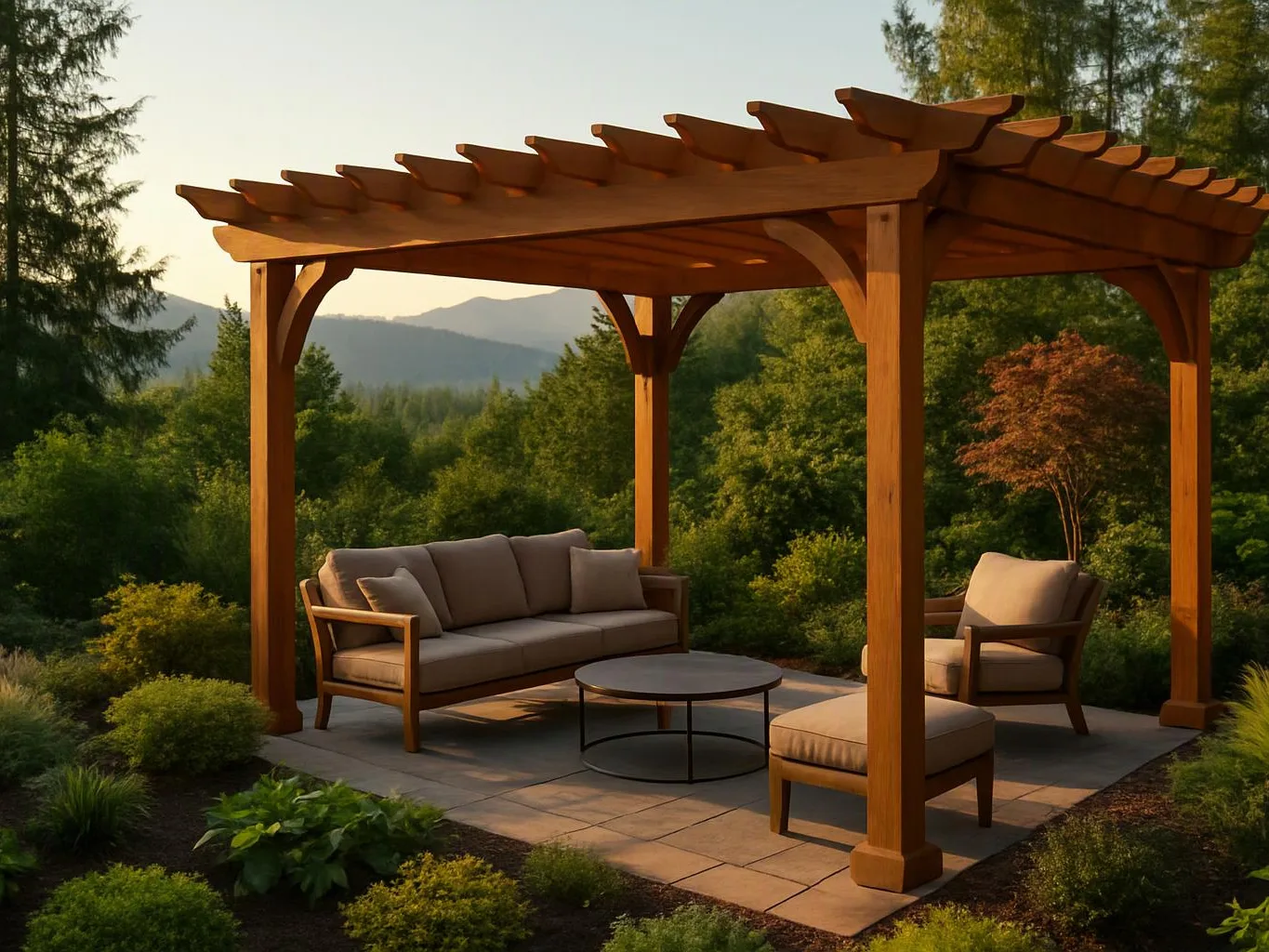
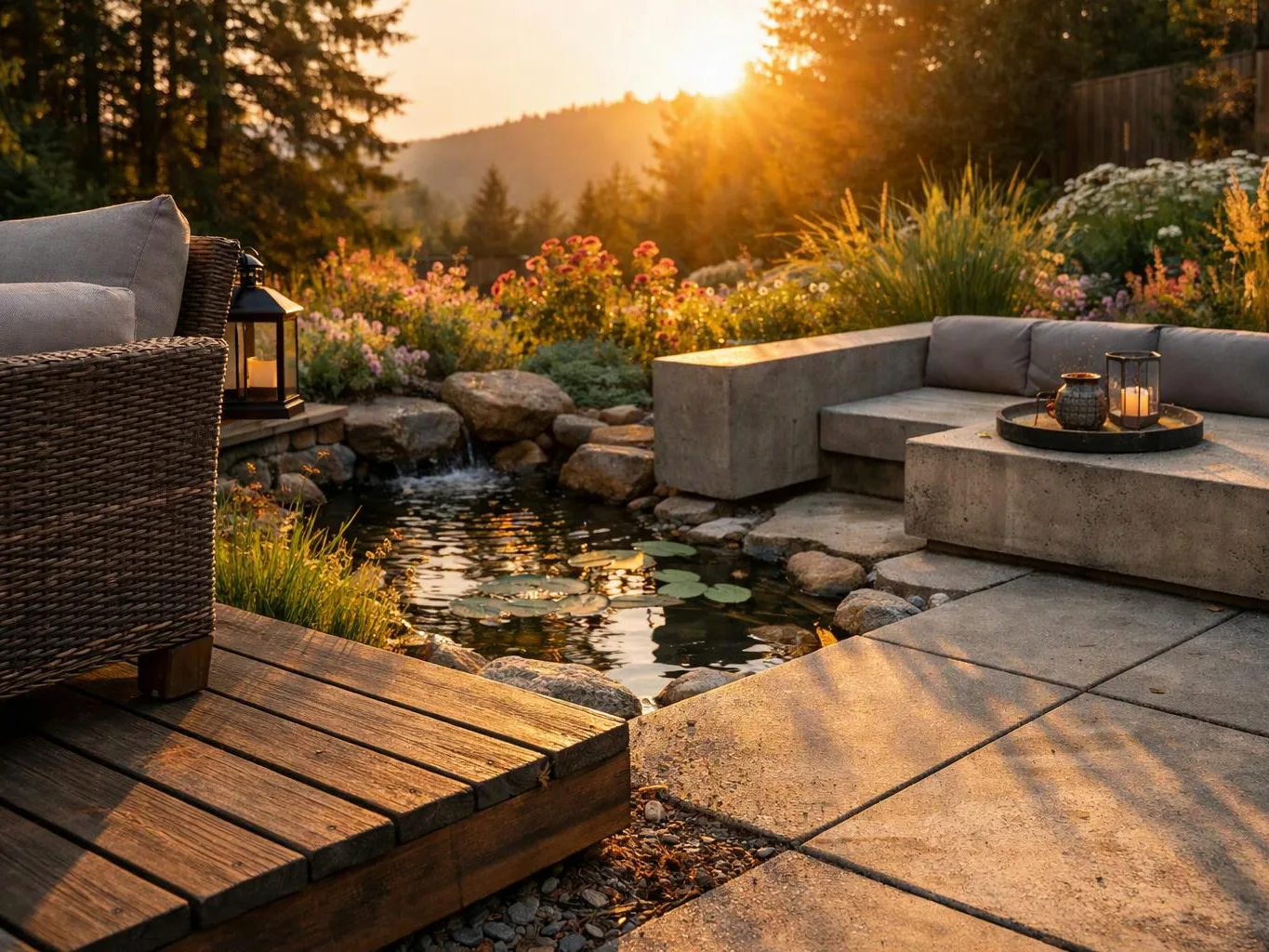
LandscaperIssaquahwa.com provides landscape design through a design-to-build process. Our work can cover planting plans, garden design, patios, walkways, retaining walls, lighting, water features, and lawn installation. The team reviews site conditions before material selection and construction, so the proposed features connect to the property's layout.
Why can a low-maintenance yard still need regular care?
Low-maintenance planting reduces recurring work but does not remove watering, pruning, weeding, or seasonal cleanup. New plants need care as they establish, and mulch can need renewal over time. We design for practical access and clear bed edges, while ongoing maintenance keeps the planting plan working as intended.