How should a landscape designer address drainage and grading?
Catch basins should connect to a planned grade and discharge route, not stand alone. The design checks low points, soil, surface runoff, swales, and nearby hardscape before selecting drainage work. Grading may guide water away from paths and gathering areas, while soil amendments can improve planting zones. The right plan treats drainage as part of the whole property layout.
What changes the price of a drainage-focused design?
Site complexity, grading needs, drainage features, materials, planting, and construction scope change the quote. A property with several low points or existing hardscape needs more coordination than a simple planting plan. We discuss the site and requested deliverables first, then provide upfront pricing for the defined project.
Which details should I prepare before the first design discussion?
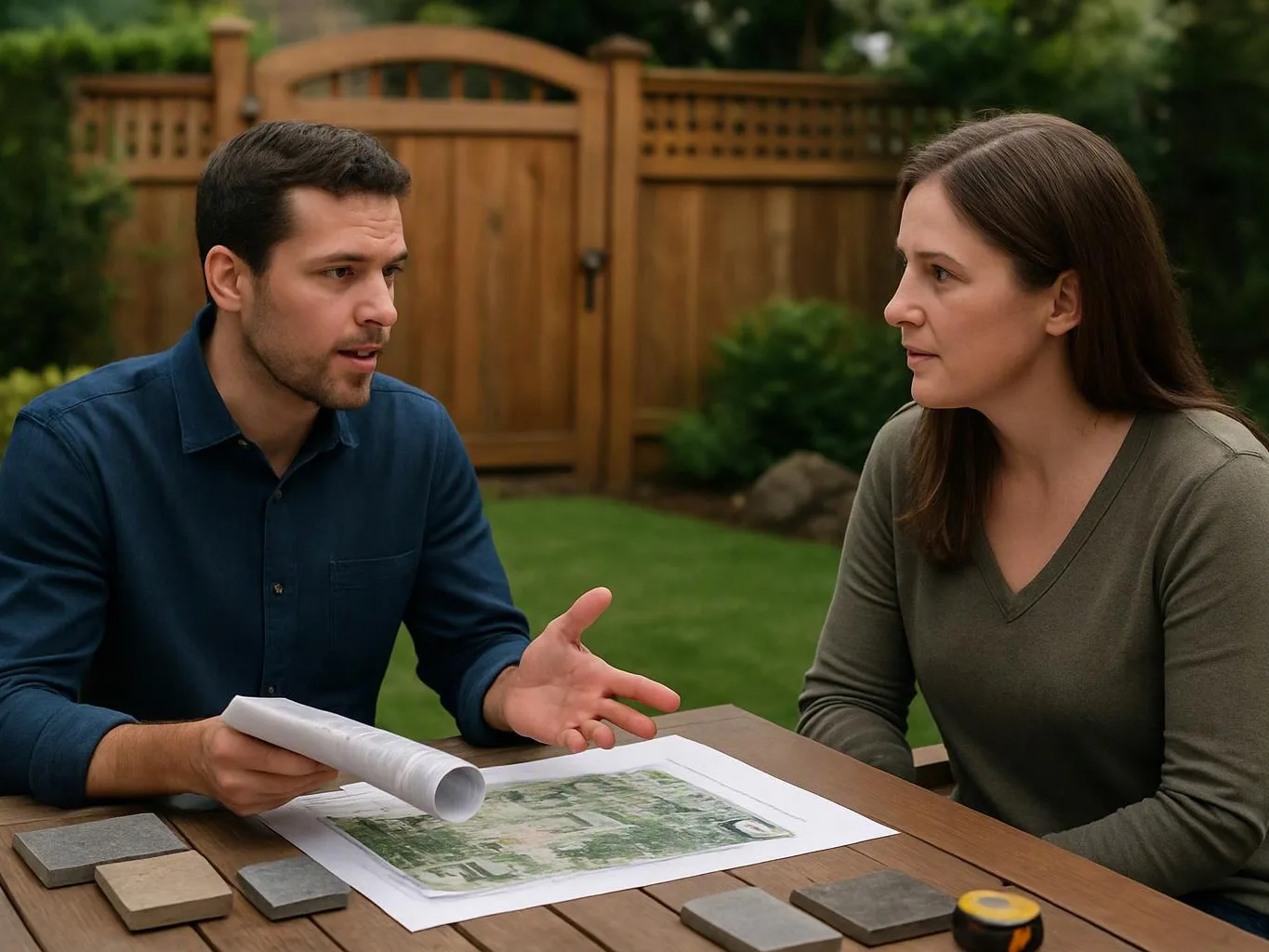
Site photos, problem areas, desired features, access notes, and a rough project outline help frame the discussion. Mark where water collects and note how you use the yard during wet conditions. Ideas for patios, paths, planting, lighting, or water features also help connect drainage work to the larger design.
When is a swale a better fit than a drain?
A swale fits when the property has enough grade and space for a shaped surface channel. The design must check its route, planting, maintenance, and relationship to walkways or gathering areas. A drain may suit a tighter location, but the correct choice depends on the site's grade, soil, outlet, and overall layout.
Why does a new patio need grading review?
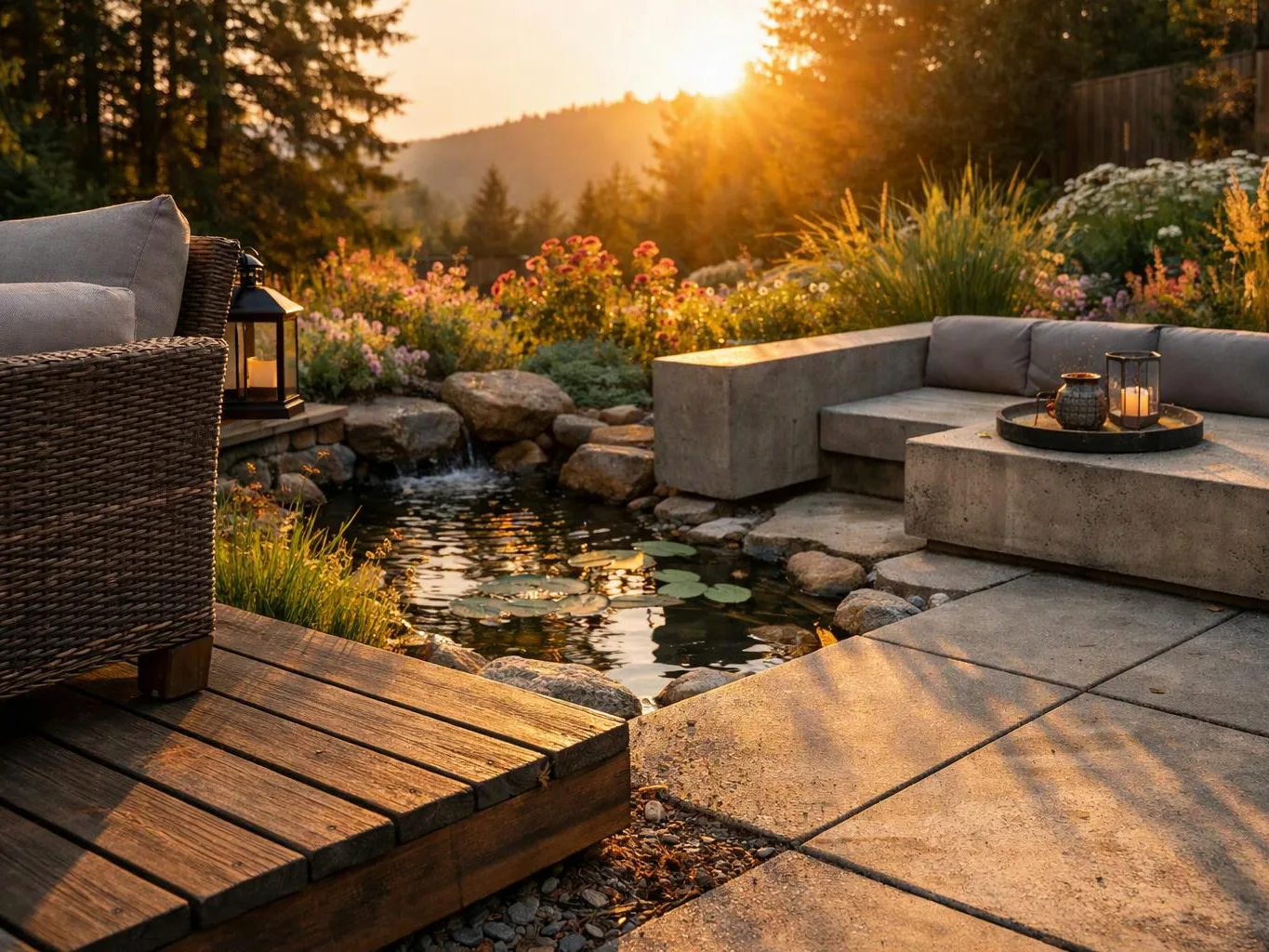
A patio needs grading review because its finished surface changes how water moves across the yard. The plan checks nearby soil, planting beds, paths, retaining walls, and the route for runoff. This helps place the patio within a drainage layout instead of treating it as a separate surface.
How does the design connect planting with drainage?
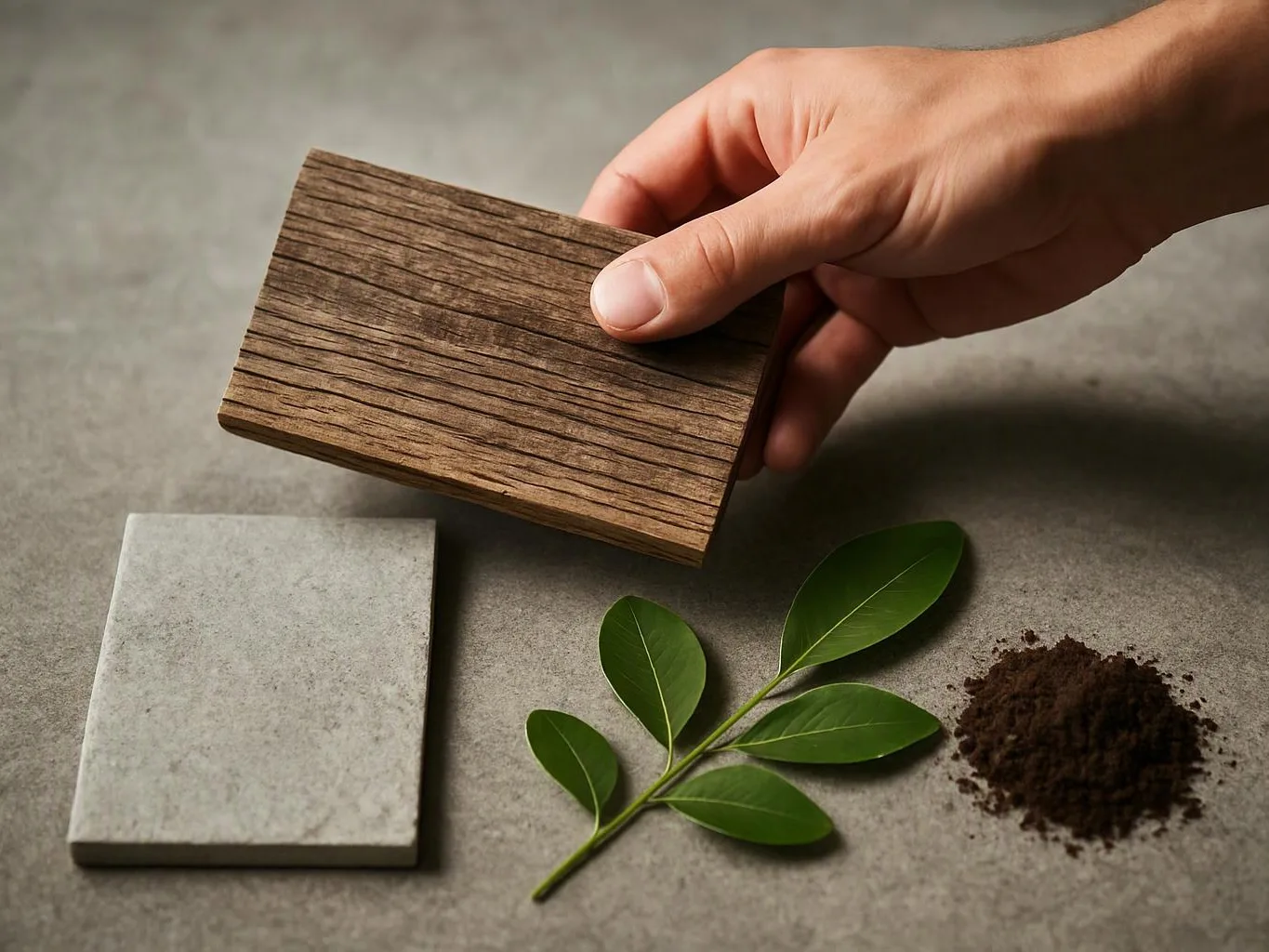
Planting areas are placed after the design accounts for grade, soil, water movement, and hardscape. Soil amendments may support plant growth, while a swale or drainage route can shape the bed layout. Plant selection also needs to fit the site's moisture conditions and the maintenance level you want.
Who provides the design and construction discussion?
LandscaperIssaquahwa.com provides the design and construction discussion for these outdoor projects. Our work covers site review, planting plans, garden design, hardscape, water features, retaining walls, lighting, and other improvements. The design-to-build process keeps the plan connected to material selection and construction decisions.