When scheduling Landscape designer, which plants and materials create a cohesive landscape design?
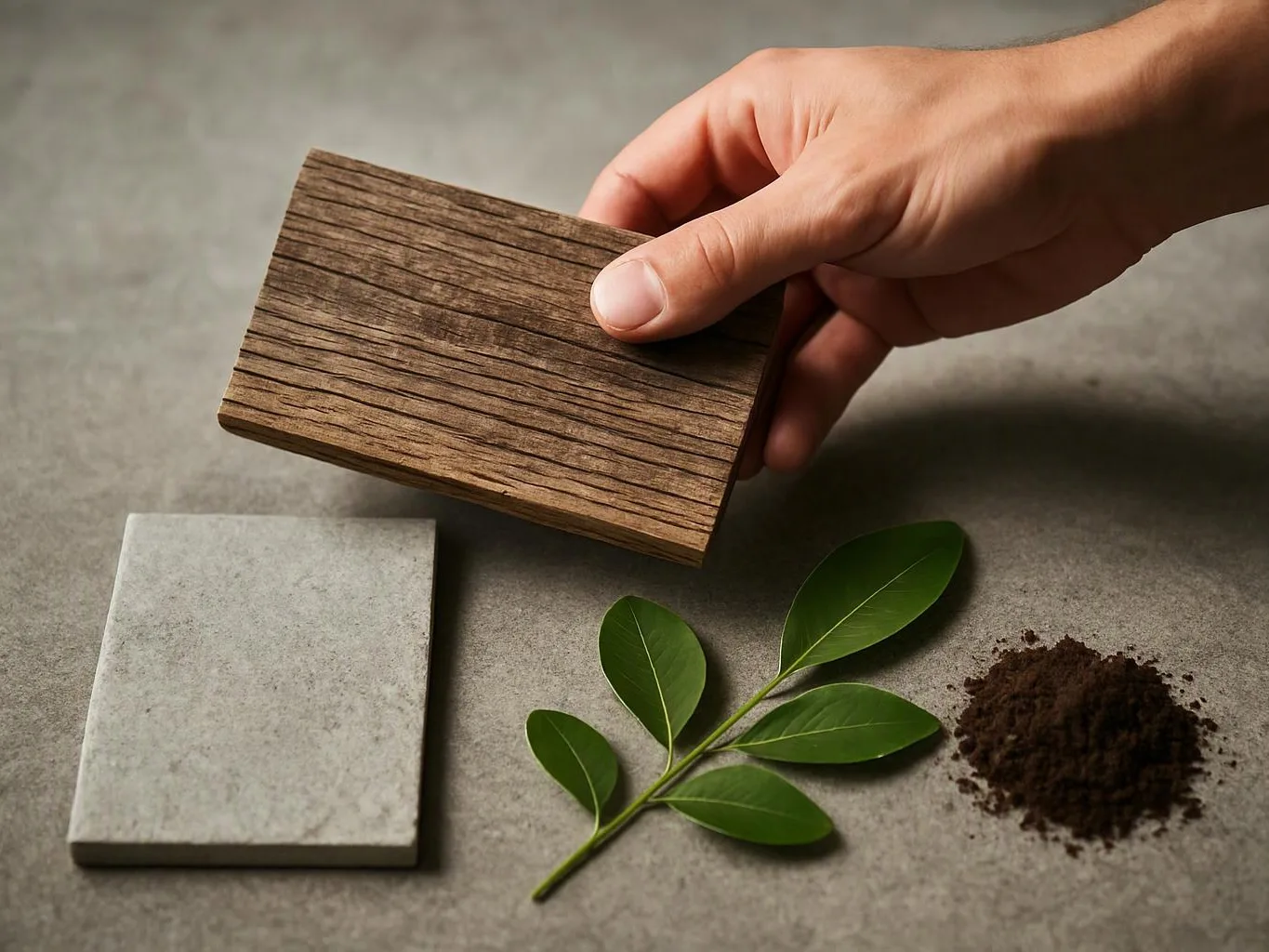
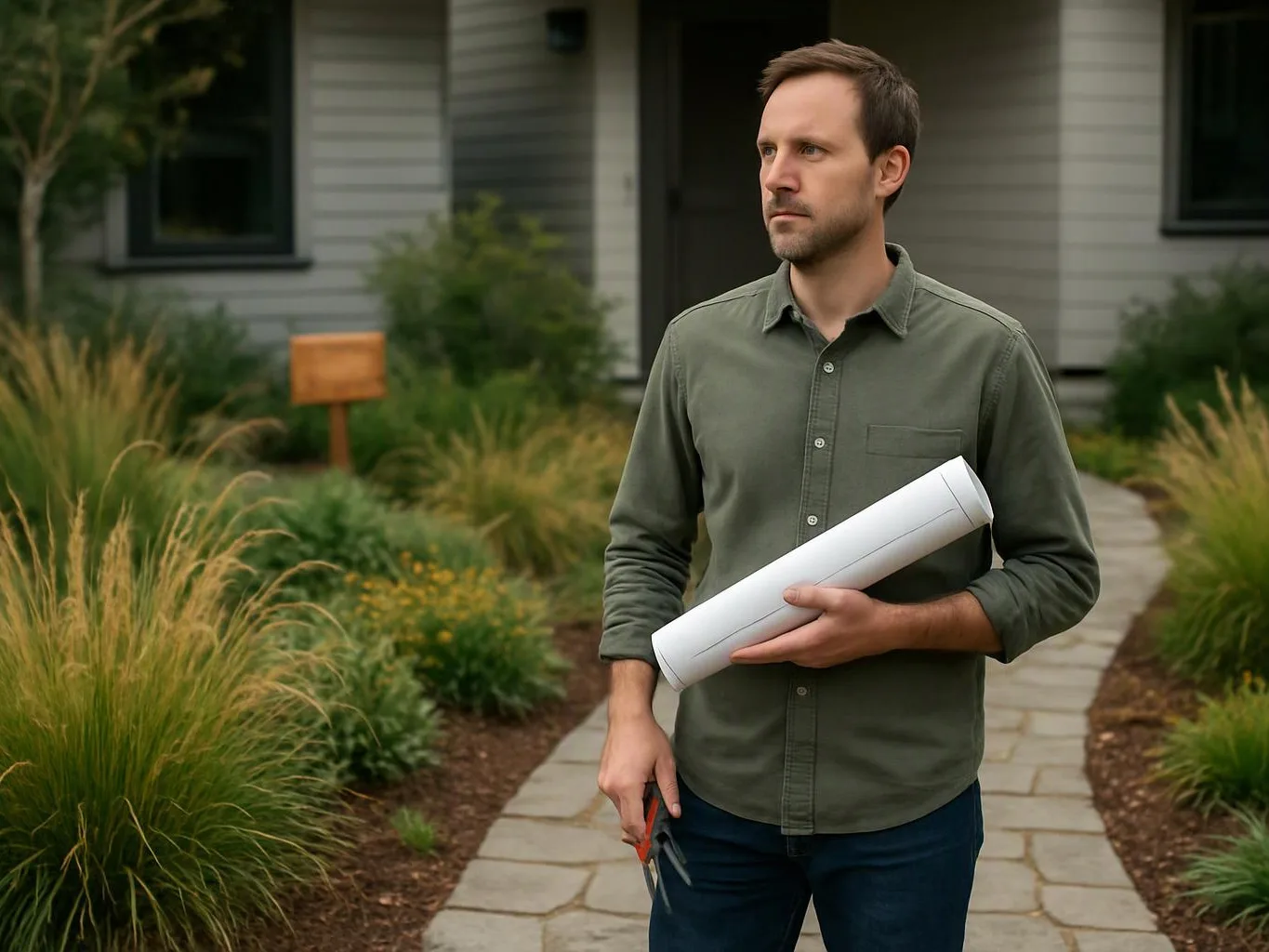
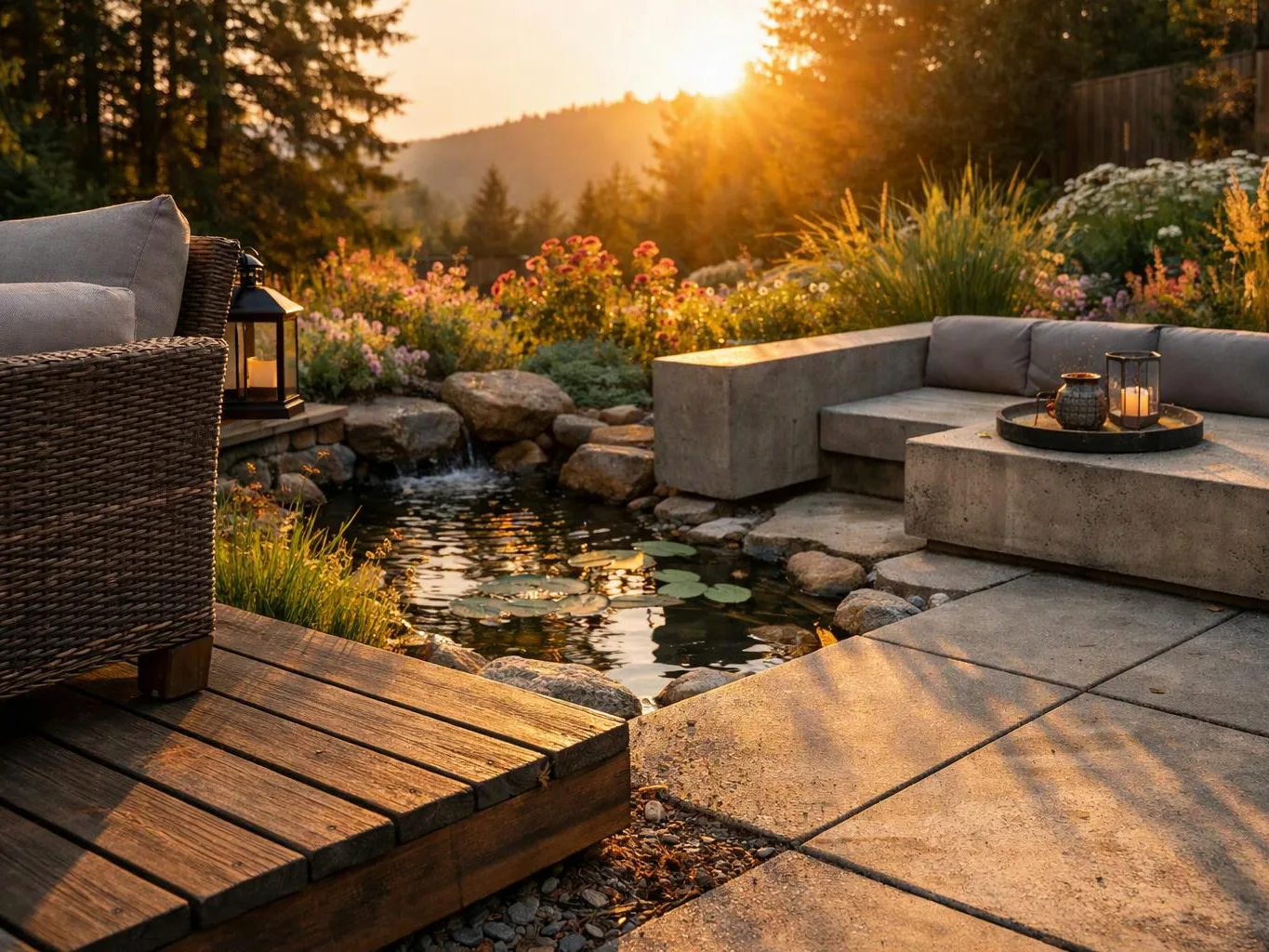
Ornamental grasses, native plants, natural stone, mulch beds, and evergreen shrubs can create a cohesive design when their forms and colors relate. The planting plan should connect those choices to patios, paths, walls, and the home's architecture. We review the whole property before recommending a material direction. That keeps individual selections from competing with one another.
Who provides the landscape design and construction work?
LandscaperIssaquahwa.com provides landscape design and related construction through Adam Gorski Landscapes. Our work covers planting plans, gardens, patios, walkways, walls, lighting, and water features. Adam studied Landscape Architecture at Cornell University. The company also has experienced professionals with landscaping-related bachelor's degrees.
What should I prepare before the first design consultation?
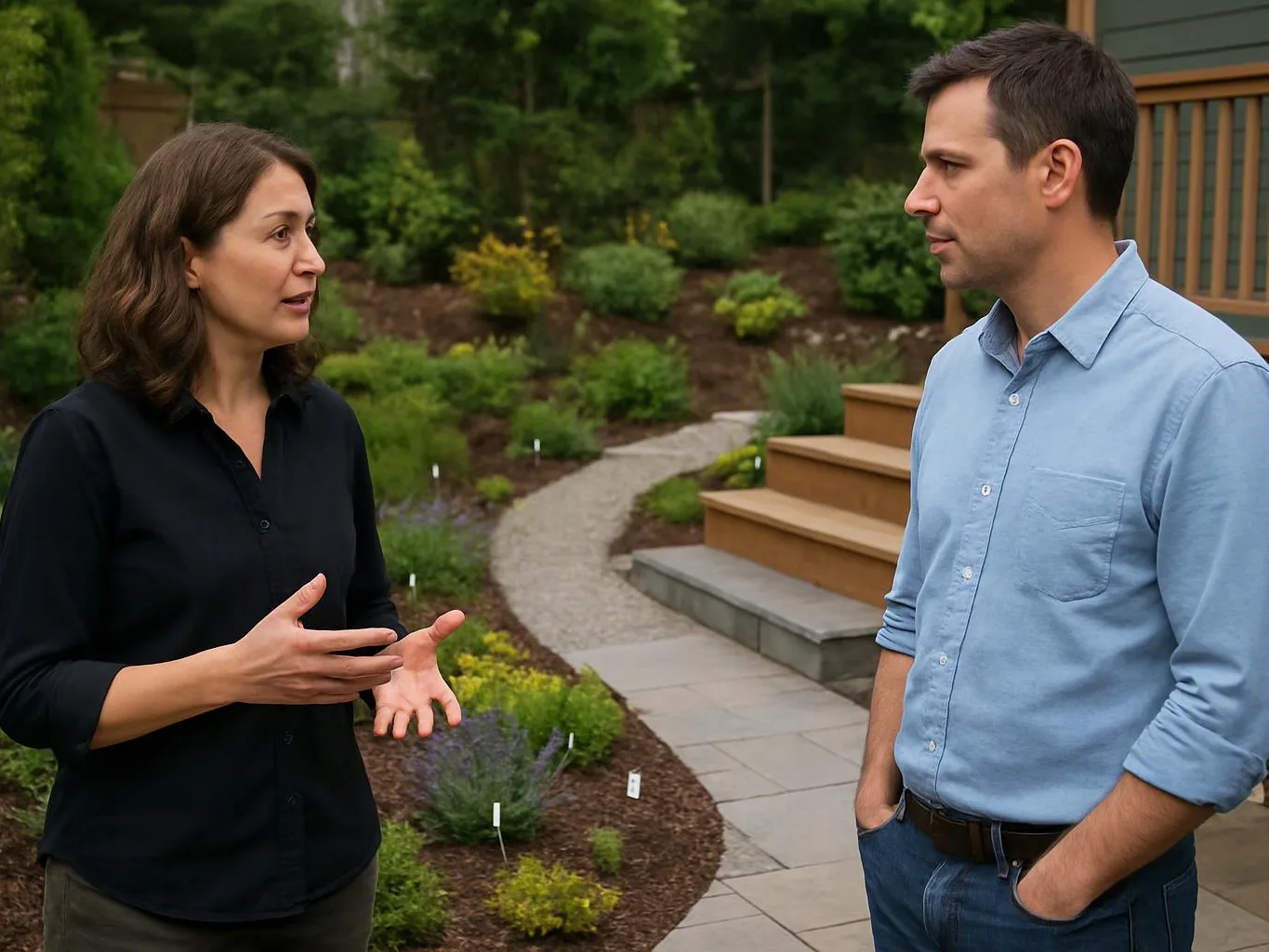
Property goals, site photos, existing plans, and a list of desired features give the first consultation useful direction. Customers should note where they want seating, paths, planting beds, lighting, or screening. Concerns about soil, slope, drainage, or access also matter. These details help define the design scope and quote discussion.
How does the site review shape the planting plan?
The site review shapes plant placement by examining soil, slope, drainage, existing structures, and outdoor use. Those findings guide bed locations, path connections, material choices, and the relationship between new work and the home. A planting plan that ignores those conditions may not fit the property's layout. We use the review to set the design direction.
What changes the quote for a planting and hardscape project?
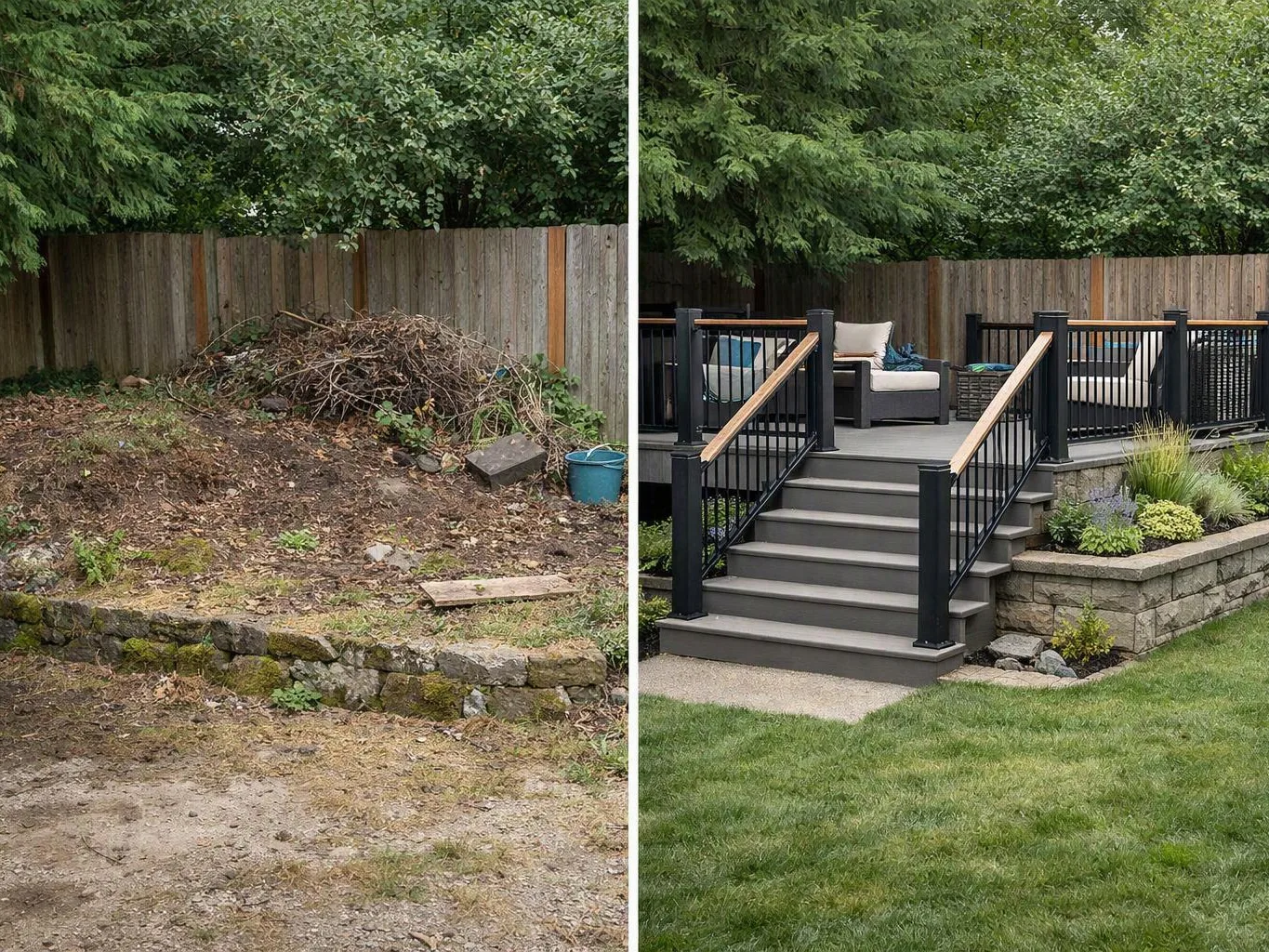
The quote changes with the design area, site conditions, plant selections, hardscape materials, and construction features. A project with walls, patios, lighting, or water features needs a different scope from a planting-only update. Customers can request a quote after describing the property and desired work. We then explain what the proposed scope includes.
Why choose a designer instead of separate plant selections?
A designer connects plant form, material color, bed shape, circulation, and outdoor use before installation. Separate selections can miss how a path meets a patio or how shrubs frame a wall. Our process reviews those relationships as one plan. That approach suits customers planning several linked improvements across the same property.
When is a planting update too small for this service?
A single plant replacement or routine bed cleanup usually doesn't need a full design service. Landscape design fits projects that involve a new planting layout, several connected beds, hardscape, or broader outdoor improvements. Customers with a larger change can discuss the property, desired use, and existing features first. That conversation helps set an appropriate scope.