Skip to content

Native Plant Landscaping Sammamish Washington

How much biodiversity support does your Sammamish property need? Native plant landscaping can shape planting areas around your goals, site conditions, and outdoor use.

5 · 36 Reviews29 Years in BusinessUpfront, Transparent PricingServing 95 Communities

Quick Summary: Native Plant Landscaping in Sammamish, Washington

Native Plant Landscaping in Sammamish is provided by LandscaperIssaquahwa.com for homeowners across King County and nearby Eastside communities. The work covers custom planting plans, garden design, and plant installation, with landscape architecture education guiding the design-to-build process.

  • What we do: LandscaperIssaquahwa.com provides Native Plant Landscaping for Sammamish, Washington, with custom planting plans and garden design.
  • What is included: site review, custom planting plans, garden design, native plant selection, and installation.
  • What you get: A finished planting layout gives each plant a clear place, purpose, and care need.

Why do native plants keep struggling after installation in Sammamish, Washington?

Native plants struggle when the planting choice does not match soil, sunlight, drainage, or water needs. A site review helps identify the mismatch and guide a better planting plan. The plan can also account for nearby hardscape, slope, and existing trees. Regular maintenance still matters after installation, especially while new plants establish.
Our Track Record

Years in Business
29
Average Rating
5
Customer Reviews
36

Native Plant Landscaping for Sammamish Gardens

Native plant landscaping suits homeowners who want a planting plan tied to their property, not a loose collection of plants. The work may include garden beds, shrubs, flowering plants, trees, and the layout around patios or walkways. The main decision is whether the site needs a focused native planting area or a wider outdoor design.

Our designers look at soil, slope, drainage, sunlight, and how you use the yard. Those details shape plant placement and the need for irrigation or ongoing care. The service supports biodiversity through pollinator habitat and wildlife food, while thoughtful plant selection can reduce water demand after establishment.

The page’s focus is the planting decision itself. Patios, retaining walls, water features, lighting, and other features may support the wider project, but they do not replace a planting plan built around site conditions.

  • Check soil, slope, drainage, sunlight, and existing vegetation before choosing plants.
  • Decide whether the project needs one native planting area or a wider garden design.
  • Account for nearby patios, walkways, retaining walls, lighting, and water features.
  • Plan regular maintenance so new plants receive the care they need.
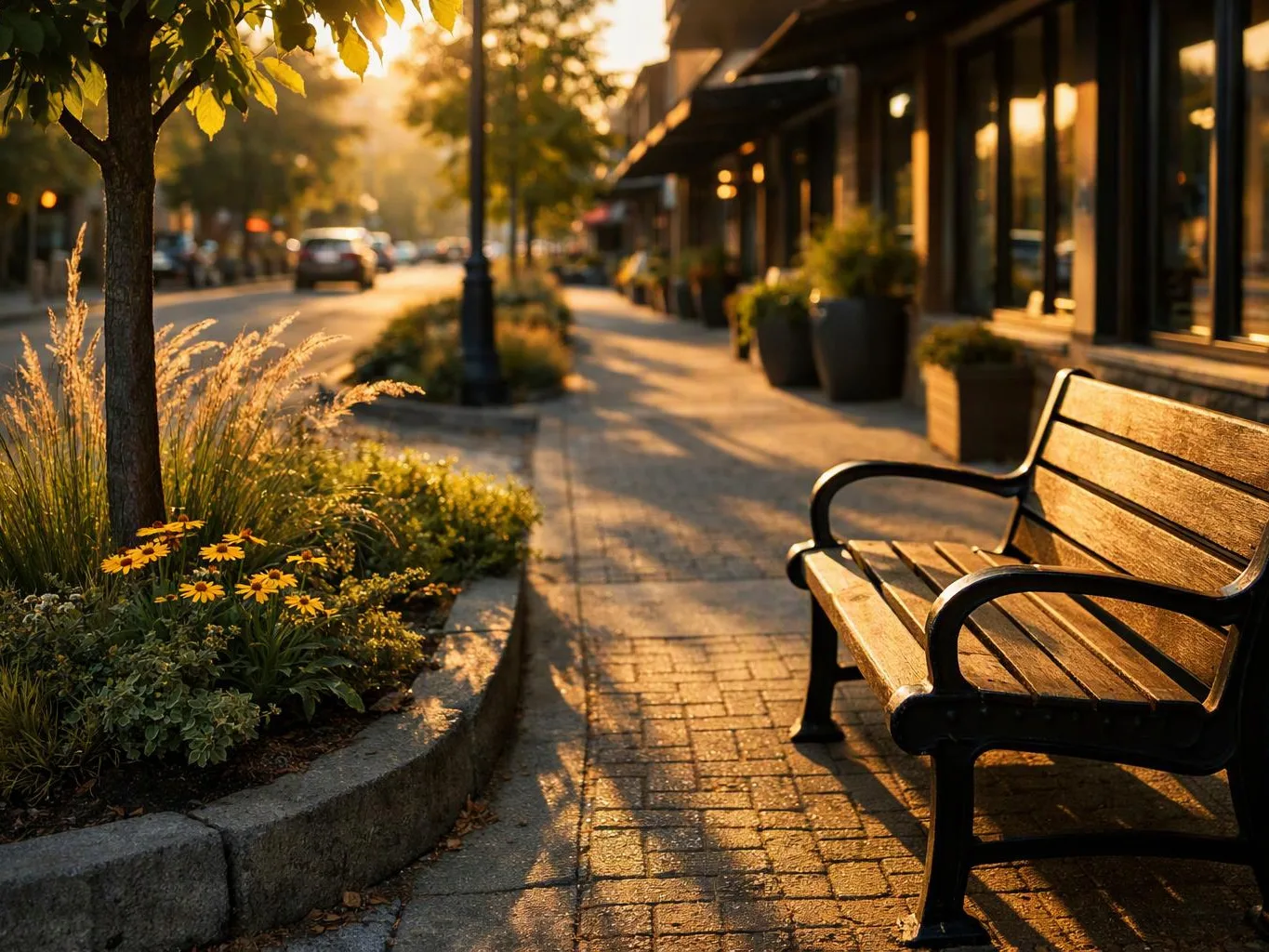
Sunlit wooden bench beside flowers and a tree along a quiet brick sidewalk in warm evening light

Service Overview

Native plant landscaping is a planting service that uses regional plant choices within a planned garden design.

  • Unlike routine lawn care, the work focuses on plant selection, layout, soil conditions, and long-term site fit.
  • Our team provides this service for properties in Sammamish and nearby King County communities.

What Your Native Plant Garden Plan Includes

LandscaperIssaquahwa.com provides comprehensive Native Plant Landscaping in Sammamish. Here's what you get:

  • A custom planting plan connects plant choices to the property’s soil, slope, drainage, and sunlight.
  • Garden design places native trees, shrubs, and flowering plants within the wider yard.
  • Plant selection supports pollinator habitat and wildlife food where the site can sustain it.
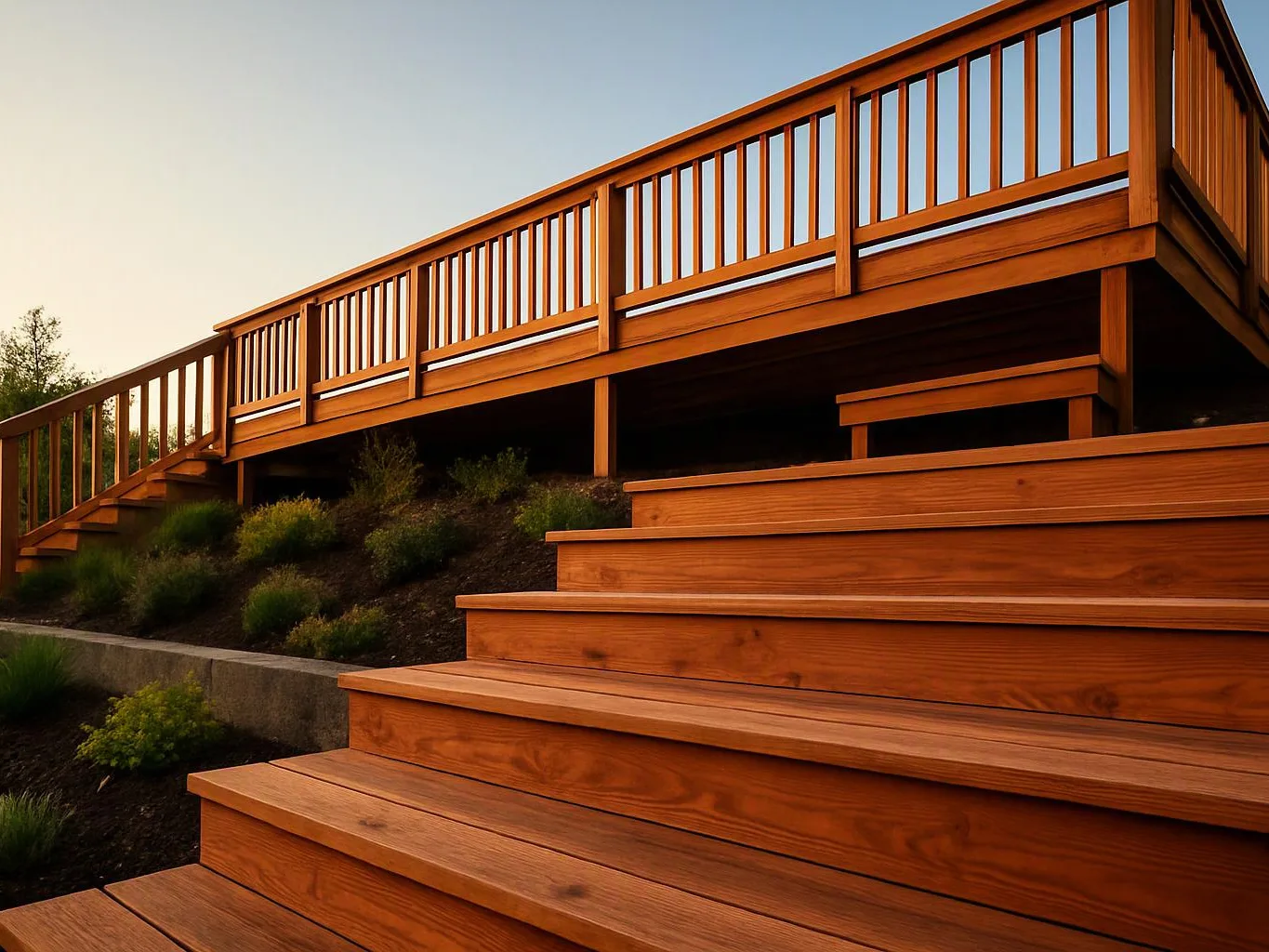
  • Planting areas are planned around patios, walkways, retaining walls, and other outdoor features.
  • The design-to-build process carries the approved plan into construction and installation.
Process

How We Plan And Install Native Plants

1

Review the property

We assess soil, slope, drainage, sunlight, existing plants, and nearby outdoor features.

2

Set the planting goals

We discuss habitat, garden use, water needs, plant preferences, and the way you want the yard to feel.

3

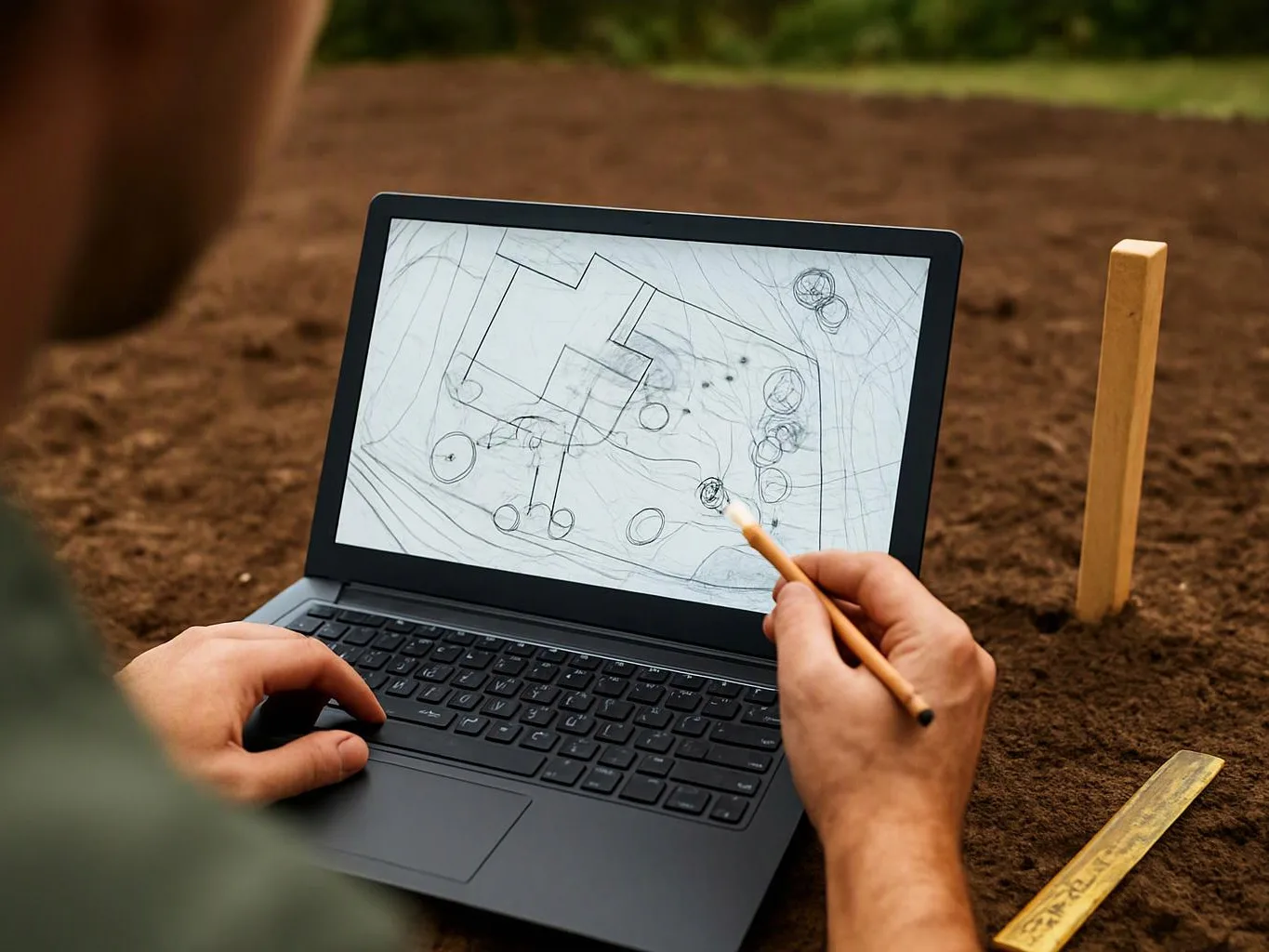
Draw the planting plan

The planting plan places trees, shrubs, flowers, and bed edges around the property’s conditions and built features.

4

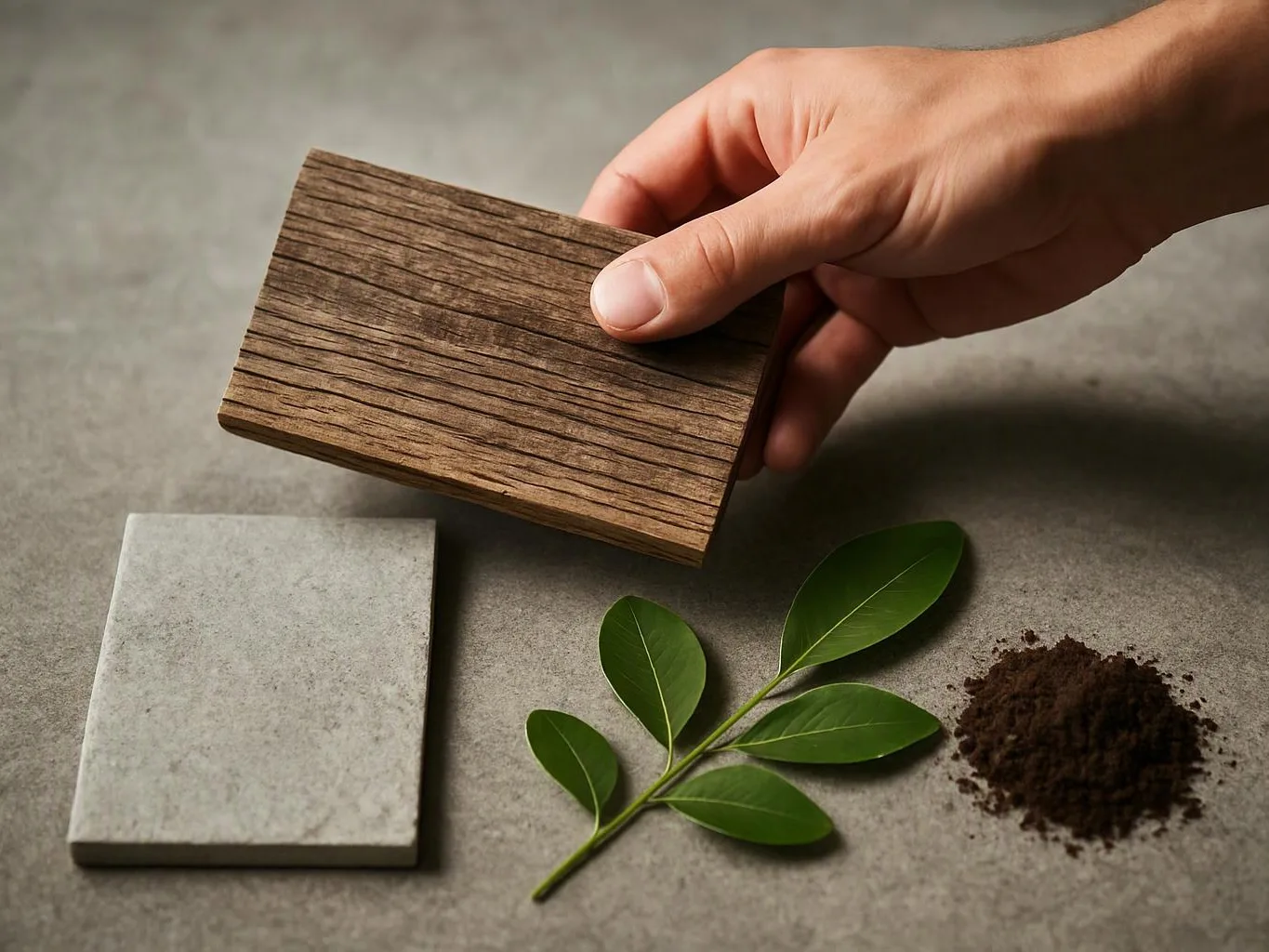
Choose compatible materials

Plant materials and related hardscape choices are selected to fit the design, access needs, and construction scope.

5

Build and install the design

Our construction team puts the approved design into place and coordinates planting with the wider outdoor work.

A situation this service fits

A homeowner with a sloped yard and weak plant growth may need more than new plants. We check soil, drainage, sunlight, and nearby hardscape before placing a native planting bed. The next step is a custom plan that shows plant locations and how the bed fits the rest of the property.

Choosing the Right Planting Approach

Match plants to the property

Site conditions decide whether a plant belongs in a bed, along a slope, or near hardscape. We review those conditions before the plan takes shape.

Connect planting with construction

A design-to-build process keeps planting areas aligned with patios, walkways, retaining walls, lighting, and water features.

Know when planting is not enough

Native plant landscaping is the wrong starting point when the main need is a structural retaining wall, drainage repair, or hardscape installation without a planting goal.

Use landscape architecture education

Adam studied Landscape Architecture at Cornell University, and that training informs how we connect site review, plant layout, materials, and construction.

What Native Plant Landscaping Changes

A site-based planting plan gives each plant a better match to its growing conditions.

Native flowering plants create useful habitat for pollinators when the planting area supports them.

Well-chosen plants can reduce water needs after they establish.

Plant groups give the yard a clearer structure around paths, patios, and outdoor living areas.

Planned planting reduces guesswork when you add new beds or replace weak growth.

Planting Bed Or Wider Garden Design

This comparison helps you choose the right scope for your native plant project.

Project scopeBest fitMain planning focus
Focused native planting bedOne defined area needs habitat or new plant structureSoil, sunlight, drainage, plant spacing, and bed edges
Wider garden designSeveral beds connect with paths, patios, walls, or outdoor living areasPlant layout, circulation, materials, construction sequence, and maintenance

Our Standard

  • Clear Communication
  • Project Scope
  • Tailored Recommendations
  • Schedule Management

Customer Reviews for Native Plant Landscaping in Sammamish

5(36 Customer Reviews)View our Google Business Profile
Jason Fiorito
Jason Fiorito
9 months ago
Verified on Google
I had a great experience with Adam Gorski Landscapes. I'm not big on writing reviews, but this company deserves one! From design to build, the process was flawless. Adam and his team exceeded expectations at every turn. We were honest about our budget, and there was no pressure to go over. That was big for us, and something we didn't find with other companies. Equally important was timing and professionalism. They showed up when they said they would, left the site organized and presentable every day, and finished on time and on budget. The work done was amazing, we get compliments on it over and over! I would recommend Adam and his team to friends and family. If you read this and engage with him, you won't be disappointed.
Virginia Willkens
Virginia Willkens
8 months ago
Verified on Google
Adam Gorski Landscapes is top notch. He collaborates with each customer to create the perfect environment for their needs. Quality and creativity are foremost in design and completion of each project.
Amanda Stewart
Amanda Stewart
Local Guide3 years ago
Verified on Google
Adam and his team did a wonderful job on our backyard project- including adding a large paver area, building a pre-fab patio structure, a small retaining wall and various tree, shrub and flower plantings. Adam was incredibly helpful in giving ideas and vision to the project and addressing various changes along the way. We are very pleased with the results and would recommend Adam to others.

Questions About Native Plant Garden Design

When planning ahead, how does native plant landscaping benefit local ecosystems when setting up the service plan?

Biodiversity support improves when native plants provide food and habitat suited to local wildlife. Pollinator habitat can come from flowering plants placed in suitable soil and sunlight. Wildlife food depends on plant choice and site fit. Water conservation can improve after plants establish, but the bed still needs planned care during installation and growth.

What should I send before requesting a planting quote?

Property photos, planting goals, and details about existing outdoor features help shape an accurate quote. Include views of the yard, problem areas, patios, walkways, walls, and water access. Notes about sunlight and drainage also help. We’ll use that information with the site review to discuss the work and its scope.

Which site conditions change the planting plan for Native Plant Landscaping?

Soil, slope, drainage, sunlight, and nearby construction change the planting plan. A sunny dry bed needs different plant choices from a shaded area that holds water. Access also affects installation and material movement. The plan brings those factors together before plants are chosen, so the layout fits the property’s actual conditions.

When should native plants be added to a wider yard project?

Native plants should be planned before patios, walkways, walls, and lighting are finalized. Early planning protects bed space and keeps plant locations clear of construction access. Existing hardscape can still guide a later planting plan. We review the whole yard so the planting work supports the outdoor living design.

Why do some native plants need regular maintenance?

Native plants still need regular maintenance while they establish and compete with unwanted growth. Watering, pruning, mulching, and weed control depend on the plant and site. A maintenance discussion helps protect the planting plan after installation. Mature plants may need less supplemental water, but the care needs do not disappear.

How do you decide whether a native planting bed fits my property?

A native planting bed fits when its soil, sunlight, drainage, space, and care needs match the property. The site review also checks how people move through and use the yard. A bed may need a different location if it conflicts with a walkway, patio, wall, or access route. We use those findings to set the planting scope.

Native Plant Landscaping in Other Areas

Contact

Request A Native Plant Landscaping Quote In Sammamish

Are you planning a native planting bed or a wider garden design? Request your quote for Native Plant Landscaping in Sammamish, and we’ll discuss your site, goals, and project scope.

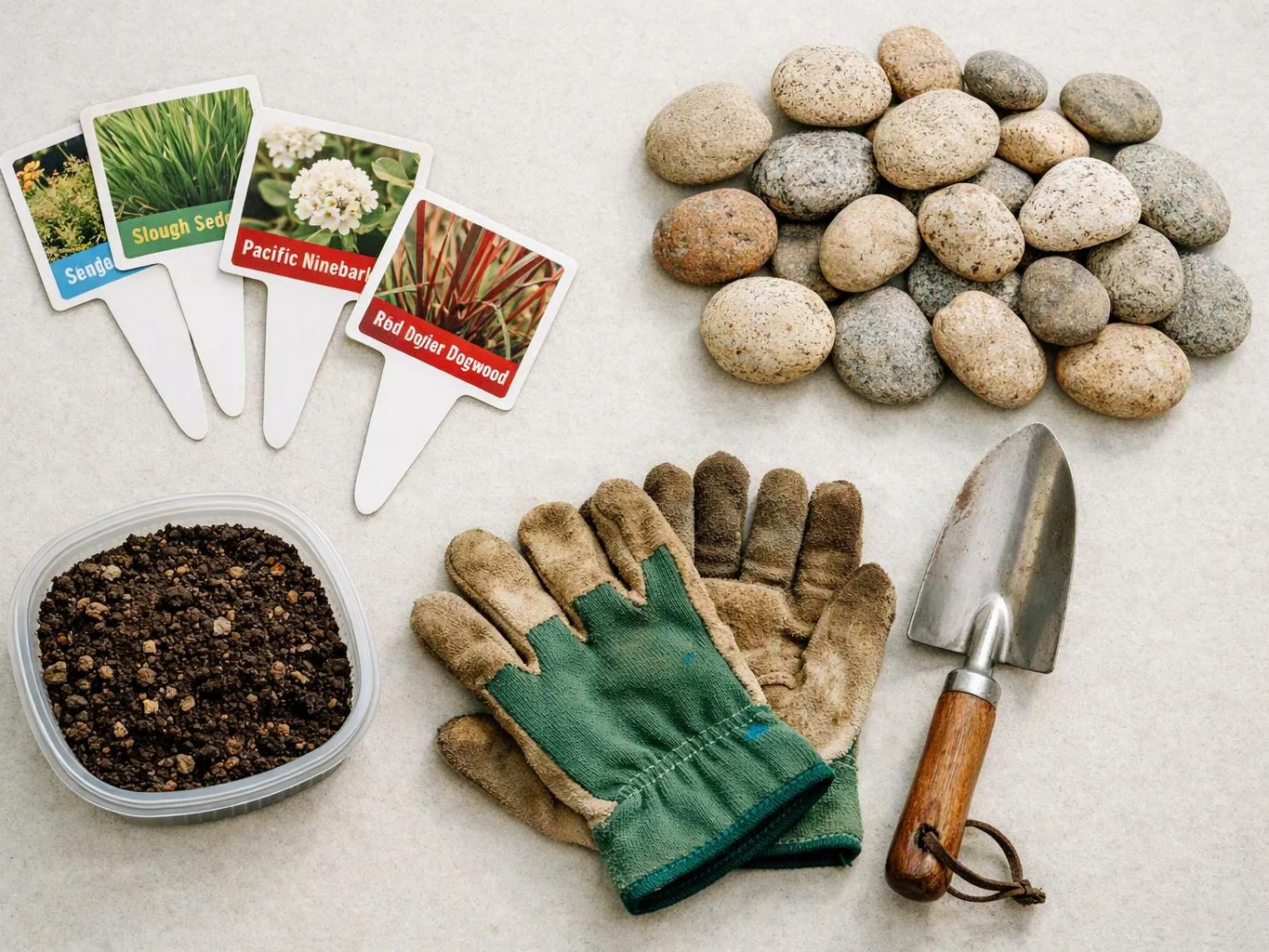
Garden tools, plant markers, gloves, soil, and smooth stones are arranged on a light surface

ZIP Codes We Serve in Sammamish, Washington

9807498075
(425) 587-8011