Skip to content

Native Plant Landscaping in Seattle

Plant grouping starts with site safety and property conditions in Seattle. We match native plants to the soil, slope, drainage, and planned use of each space.

5 · 36 Reviews29 Years in BusinessUpfront, Transparent PricingServing 95 Communities

Quick Summary: native plant landscaping in Seattle, Washington.

Native Plant Landscaping in Seattle is provided by our team for homeowners throughout King County and nearby Eastside communities. The work covers planting plans, garden design, site preparation, mulch, and establishment watering, with formal landscape architecture education guiding the design-to-build process.

  • What we do: LandscaperIssaquahwa.com provides Native Plant Landscaping for Seattle, Washington properties through tailored planting plans and garden design.
  • What is included: Site review, plant grouping, soil preparation, mulch application, establishment watering, and design-to-build coordination.
  • What you get: Native plant landscaping leaves the customer with a planting layout that fits the property and a clear plan for early plant care.

Why do native plants struggle after planting in Seattle, Washington?

Native plants often struggle when plant selection, soil preparation, drainage, and early watering do not match the site. A planting review checks sun exposure, slope, soil texture, and nearby hardscape before plants are grouped. Mulch can protect the soil surface, while establishment watering supports roots during the early growth period. The right remedy starts with the site, not a replacement plant list.
Our Track Record

Years in Business
29
Average Rating
5
Customer Reviews
36

Native Plant Landscaping for Seattle Properties

Native plant landscaping focuses on one planting area, a full garden, or planting that supports a larger outdoor build. The buyer’s key decision is whether the property needs a tailored planting plan or a different service, such as lawn installation, hardscaping, drainage work, or a retaining wall.

For Seattle properties, our team connects plant placement with the site’s soil, slope, drainage, light, and access. The native plant landscaping service works well when planting needs to fit patios, walkways, water features, or other planned improvements. It isn’t the right first service when a failing wall, severe drainage issue, or major grading problem controls the site.

  • Confirm which planting areas need attention and which outdoor features must stay accessible.
  • Check soil, slope, drainage, light, and existing plants before choosing groups.
  • Decide whether planting belongs in a wider garden design or a separate hardscape project.
  • Plan mulch and early watering so new plants receive suitable care after installation.
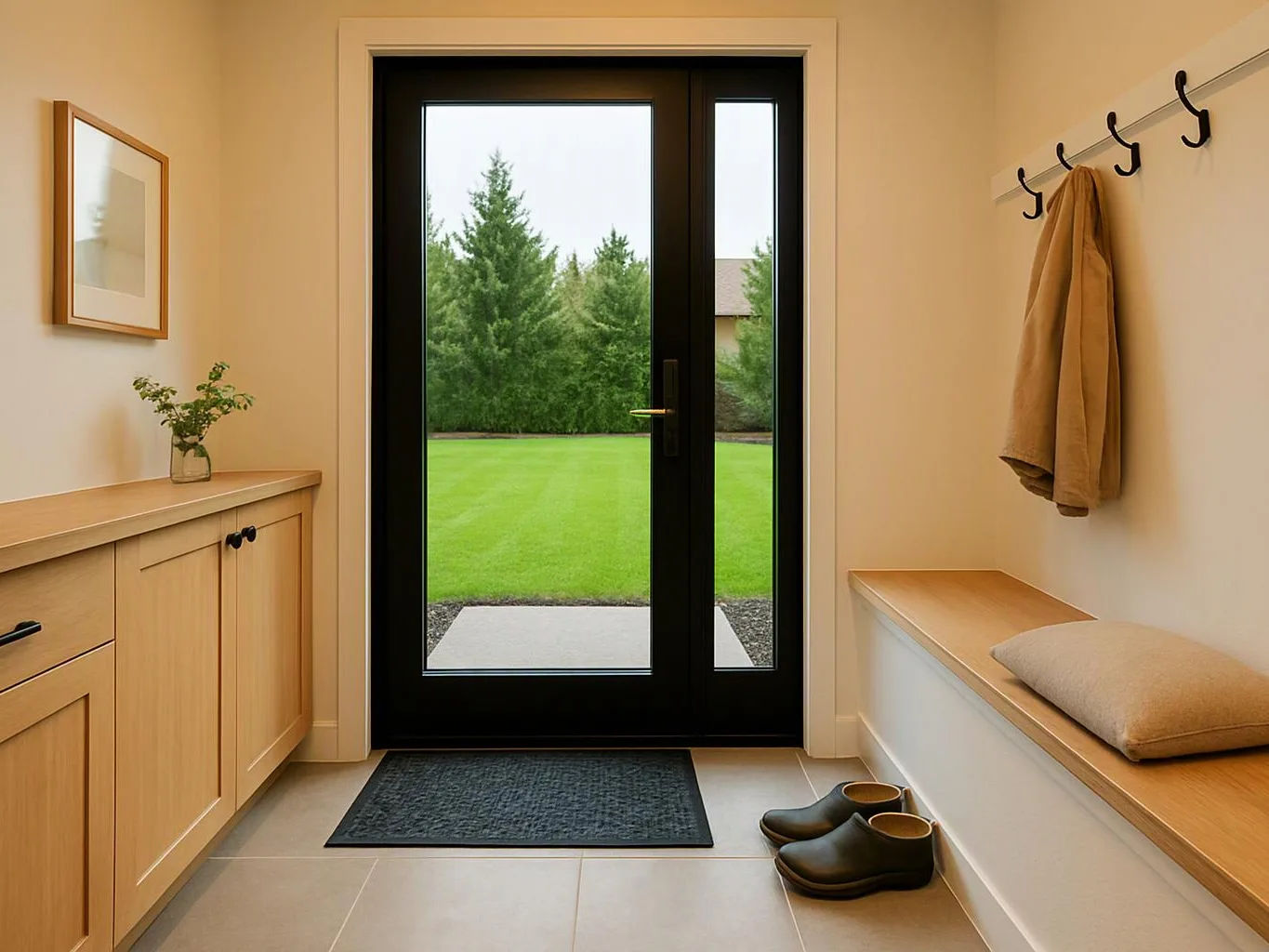
A tidy entryway has a glass door, wood storage, hooks, a bench, and shoes beside a bright lawn view

Service Overview

Native plant landscaping is a garden design service that groups suitable native plants and establishes them in prepared soil.

  • It differs from general lawn installation because the plan centers on plant communities, soil conditions, mulch, and early root care.
  • Our team provides this work for Seattle homeowners and properties throughout King County and nearby Eastside communities.

What Native Plant Landscaping Includes for Your Property

LandscaperIssaquahwa.com provides comprehensive Native Plant Landscaping in Seattle. Here's what you get:

  • You receive a custom planting plan shaped around the property’s soil, slope, drainage, and intended use.
  • Garden design places native plants with paths, patios, water features, walls, and other outdoor elements.
  • Site preparation creates a suitable planting bed before plants are installed.
  • Plant grouping places compatible plants together according to their growing needs and role in the garden.
  • Mulch application covers exposed soil around new planting areas.
  • Establishment watering supports new plants during their early root development.

Why Choose This Planting Approach

Property-specific plant grouping

The planting layout follows the property’s soil, slope, drainage, and use. A tailored plan is a poor fit when the main issue is structural drainage or a failing retaining wall.

Design connected to construction

Planting can be coordinated with patios, walkways, water features, walls, and lighting. This helps the garden read as one planned outdoor space.

Landscape architect-LED design

Formal landscape architecture education supports the design phase, while practical construction experience keeps plant areas connected to the work built around them.

Process

How Native Plant Landscaping Is Planned and Built

1

Review soil, slope, and drainage

We evaluate soil, slope, drainage, light, existing plants, and nearby outdoor features before setting the planting scope.

2

Create the planting plan

The planting plan groups suitable native plants and places them around paths, patios, walls, water features, and other site elements.

3

Prepare the planting areas

The planting areas are prepared for installation, with soil work and access considered alongside the wider construction plan.

4

Install plants and apply mulch

Plants are installed in their planned groups, and mulch is applied around the new planting areas.

5

Explain early watering needs

The completed planting plan includes guidance for establishment watering and future maintenance of the garden.

What Native Plant Landscaping Changes for Your Garden

A tailored planting plan gives each area a clear purpose and avoids random plant placement.

Plant groups fit the surrounding hardscape, so paths and outdoor living areas remain usable.

Prepared soil gives roots a better start and helps the planting bed hold its shape.

Mulch helps cover bare soil and gives the garden a finished appearance.

Early watering supports new plants while their roots settle into the prepared bed.

Regular maintenance keeps plant groups clear, healthy, and easier to manage as they mature.

Choosing the Right Outdoor Service

These service choices help identify whether planting, garden design, or construction should lead the project.

Service choiceBest fitMain work
Native plant landscapingA property needs grouped native plants and a prepared planting bedPlant selection, soil preparation, mulch, and establishment watering
Garden designThe customer needs a wider plan for the outdoor spacePlanting layout, garden structure, and coordination with site features
HardscapingThe main need is a patio, walkway, wall, or water featureConstruction of built outdoor elements and their site integration

Our Standard

  • Clear Communication
  • Project Scope
  • Tailored Recommendations
  • Schedule Management

Customer Reviews for Native Plant Landscaping in Seattle

5(36 Customer Reviews)View our Google Business Profile
Bryan Tomich
Bryan Tomich
9 months ago
Verified on Google
Adam has done landscaping jobs on our property, and we couldn’t be happier with the results. We managed to turn our backyard into a mini park, and the expense was more than reasonable. We also changed our high maintenance front yard into a low maintenance clean look that doesn’t demand weekly attention. When you get to the time of picking plants, Adam will meet you at the nursery and he’ll give you excellent advice as to what plants are best suited for your layout and expected results, and your plants are guaranteed for one year, so if some don’t take, he’ll replace them with new ones. Both jobs added value and usability to our place, and now we’re able to enjoy our yard year round
B Spence
B Spence
8 months ago
Verified on Google
Adam and his team transformed our front yard, and the results exceeded our expectations. What started as a space overdue for updating is now a bright, well‑designed landscape with vibrant flowers that looked great all summer. We also really appreciate the reduced lawn area, which has made upkeep much easier. The project was completed in just a few days and included the installation of a new underground sprinkler system. Adam’s crew was courteous, detail‑focused, and consistently left the work area clean and organized at the end of each day. We’re extremely pleased with the finished product and wouldn’t hesitate to recommend Adam and his team.
Tiffanie West
Tiffanie West
3 months ago
Verified on Google
Adam and team did a fantastic job with our Yarrow Point home. He has great creativity. We love our pergola swing, retaining wall, amazing plants, pathways, water features! Our yard has been transformed and we are so excited pleased! Thanks Adam!!!!

Questions About Native Plant Landscaping

How should native plants be established in a landscape?

Plant grouping should follow each plant’s light, soil, moisture, and space needs. Site preparation creates a suitable bed before installation, and mulch protects exposed soil around new plants. Establishment watering supports early root growth. Our team connects these steps with paths, patios, walls, and other site features so the planting plan works as part of the whole property.

What should I prepare before requesting a planting consultation?

Site photos, planting goals, and a list of planned outdoor features help start the consultation. Note areas with poor growth, standing water, steep slopes, or compacted soil. Include any plans for patios, walkways, walls, or lighting. Those details help our team review the property and shape a quote around the actual work.

For Native Plant Landscaping, which site conditions change the planting plan?

Soil, slope, drainage, light, access, and nearby construction change the planting plan. A shaded bed needs different placement from an exposed bed, while poor drainage may require site work before planting. The plan also needs to protect paths, walls, patios, and water features. A site review brings these factors into one decision.

When is native plant landscaping the wrong first service?

A failing retaining wall or major drainage problem should be addressed before planting. Structural movement, erosion, or standing water can damage a new garden and alter the site plan. Our team can discuss the wider project scope, including walls, drainage, hardscaping, and garden design. Planting becomes more useful after the controlling site issue is understood.

Why does mulch matter after new plants are installed?

Mulch covers exposed soil and helps protect the planting bed after installation. It also gives the garden a finished surface around new plants, but mulch does not replace establishment watering or site drainage work. Our team places mulch as part of the planting scope, then explains how regular maintenance keeps the bed in good shape.

How does the design-to-build process handle planting and hardscape together?

The design-to-build process links planting with patios, paths, walls, water features, and lighting. Site conditions are reviewed first, then the planting plan and material choices are coordinated before construction. This approach helps prevent conflicts between plant beds and built features. The final quote reflects the combined scope instead of treating each element as an unrelated task.
Contact

Request a Native Plant Landscaping Quote in Seattle

Start with a property review for your planting areas, site conditions, and related outdoor features, then request your quote.

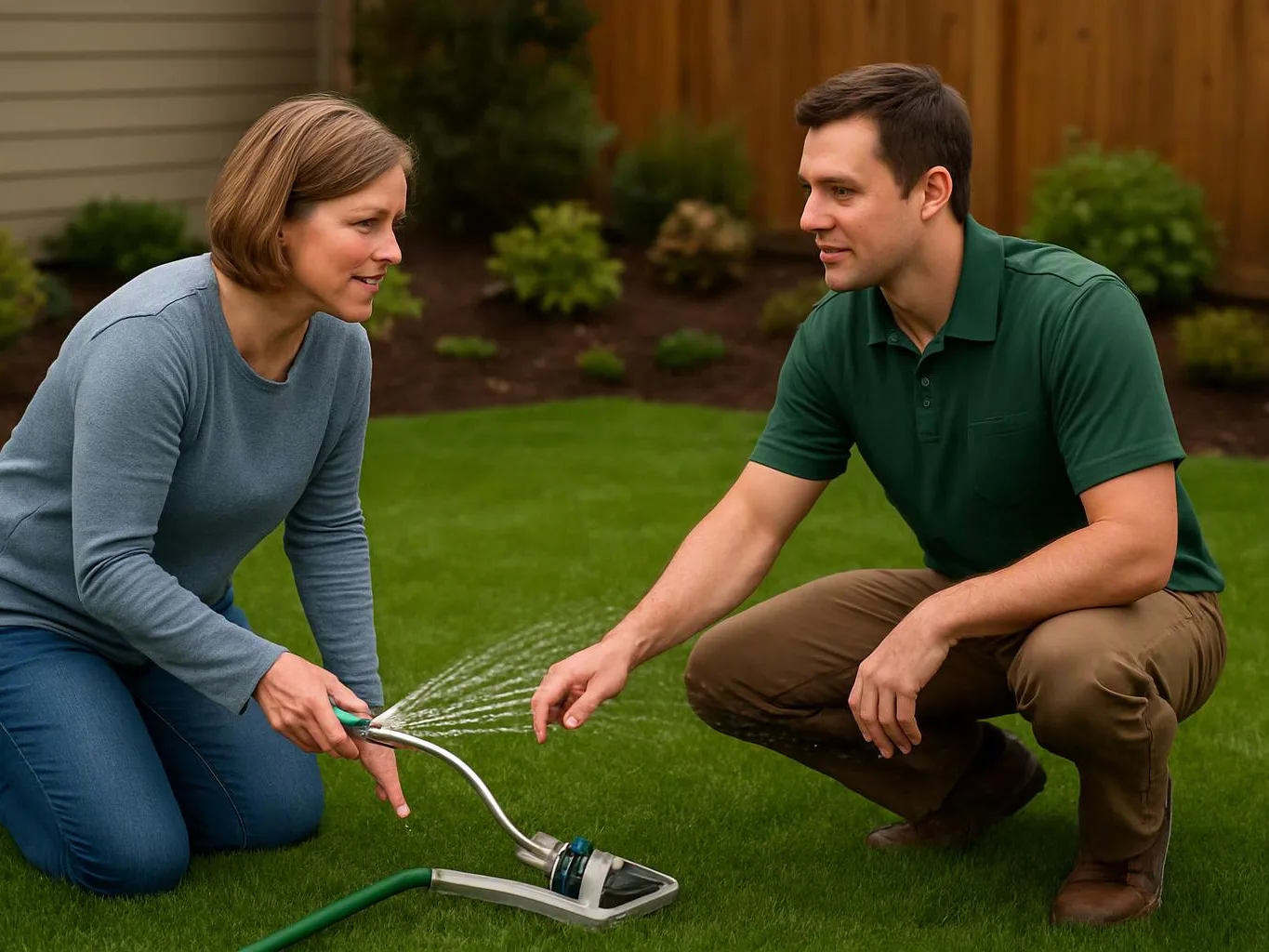
A woman and man kneel on a lawn, using a sprinkler attachment with water spraying across the grass

ZIP Codes We Serve in Seattle, Washington

59 ZIP codes — show all
9810198102981039810498105981069810798108981099811198112981139811498115981169811798118981199812198122981249812598126981279812998131981339813498136981389813998141981449814598146981489815498155981589816098161981649816598166981689817098174981759817798178981819818598188981909819198194981959819898199

Native Plant Landscaping in Other Areas

(425) 587-8011