Skip to content

Native Plant Landscaping in Kent

Water conservation guides native plant landscaping in Kent. We plan plant communities that fit your soil, slope, drainage, and outdoor goals.

5 · 36 Reviews29 Years in BusinessUpfront, Transparent PricingServing 95 Communities

Quick Summary: Native Plant Landscaping in Kent, Washington

Native Plant Landscaping in Kent is provided by LandscaperIssaquahwa.com for homeowners across King County and nearby Eastside communities. The service covers custom planting plans, garden design, and site review, with landscape architecture education guiding the design-to-build process.

  • What we do: LandscaperIssaquahwa.com provides Native Plant Landscaping for Kent homeowners through planting plans, garden design, soil review, and construction planning.
  • What is included: Custom planting plans, native plant selection, garden design, site evaluation, drainage review, and design-to-build construction.
  • What you get: Native plant landscaping delivers a planting plan that fits the property, supports habitat, and uses water with care.

Why do my new native plants keep struggling in Kent?

Native plants can struggle when soil, drainage, light, or plant placement does not fit their needs. A site review checks those conditions before the planting plan is set. The plan then groups plants by moisture, sun, mature size, and habitat value. Regular maintenance can help new plantings establish and reveal problems before they spread.
Our Track Record

Years in Business
29
Average Rating
5
Customer Reviews
36

Native Plant Landscaping in Kent for Water-Wise Gardens

Native plant landscaping fits homeowners who want a planting plan tied to real site conditions. We look at soil, slope, drainage, sun, access, and the space available for mature plants.

The key decision is whether the property needs a planting-only plan or a broader design-to-build scope. A garden may also need a walkway, retaining wall, lighting, lawn installation, or irrigation-related planning. We keep the plant choices connected to the full outdoor layout.

The ecological goal matters too. Native plants can provide pollinator habitat, wildlife food, and stronger biodiversity support when the planting mix suits the site. Water conservation is one part of that decision, not a reason to ignore drainage or maintenance.

  • Check soil, slope, drainage, sunlight, and planting space before selecting plants.
  • Match plant groups to moisture needs, mature size, and habitat goals.
  • Decide whether the project needs planting design alone or a wider outdoor build.
  • Plan access for soil work, planting, paths, walls, and other site elements.
  • Request a quote after the scope and site conditions are clear.
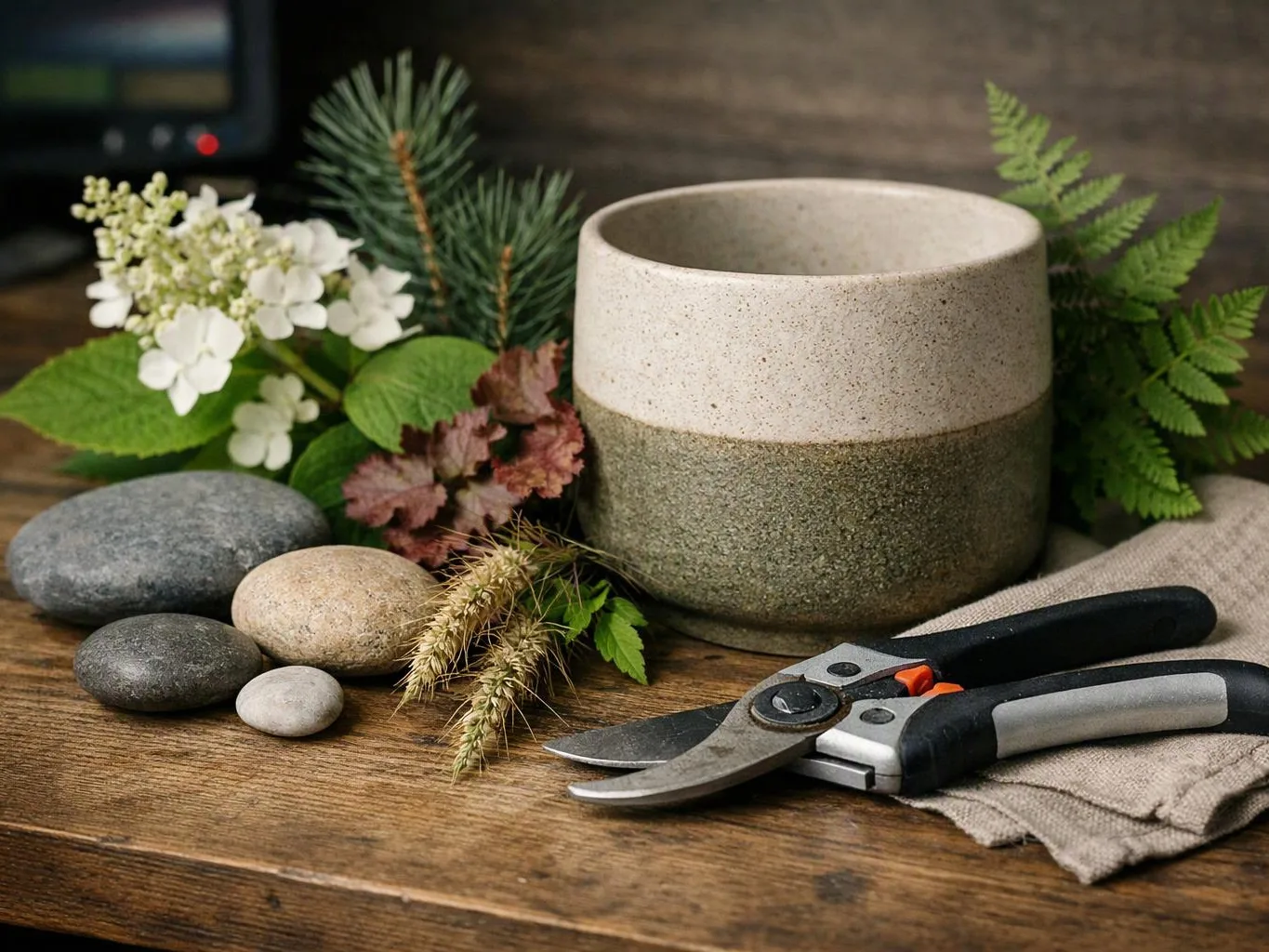
A ceramic pot sits beside pruning shears, stones, and flowers on a wooden table

Service Overview

Native plant landscaping is a garden design service that places regionally suitable plants according to site conditions and habitat goals.

  • Garden design focuses on the planting layout, while this work also connects plant choice with soil, slope, drainage, and construction details.
  • Kent homeowners can request this service through coverage across King County and nearby Eastside communities.

What Native Plant Landscaping Changes for Homeowners

A site-based planting plan helps you avoid placing plants where soil or drainage will work against them.

Native plant groupings can give pollinators and wildlife more useful food and shelter.

Water conservation becomes part of the planting decision, alongside soil, slope, and maintenance needs.

A connected plan helps planting work with paths, patios, retaining walls, and outdoor living areas.

Regular maintenance keeps new beds clear, supports plant establishment, and makes problems easier to spot.

Process

How Native Plant Landscaping Moves From Review to Build

1

Review soil, slope, and drainage

We evaluate soil, slope, drainage, sunlight, access, and the existing planting areas before choosing a design direction.

2

Set plant groups and garden uses

We place plant groups around moisture needs, mature size, habitat goals, paths, seating, and other uses for the yard.

3

Select materials and supporting features

We coordinate plants with materials and features such as patios, walkways, retaining walls, water features, and lighting.

4

Review the design and quote

We explain the proposed scope, discuss material choices, and provide upfront pricing before construction decisions are made.

5

Build the approved outdoor plan

Construction follows the agreed design, with planting and related outdoor improvements handled as connected parts of the project.

Why Homeowners Choose This Planting Approach

Site conditions guide plant selection

The planting plan starts with the property, not a fixed plant list. We assess soil, slope, drainage, and light before placing native species. This service is the wrong fit when you only need routine mowing or bed cleanup.

Design connects to construction

Planting areas can be planned alongside patios, walkways, retaining walls, water features, and lighting. That connection helps the finished yard read as one design instead of separate additions.

Formal training supports practical work

Adam studied Landscape Architecture at Cornell University, and our team includes professionals with landscaping-related bachelor's degrees. We pair that training with construction experience and clear project communication.

What Native Plant Landscaping Includes for Your Property

LandscaperIssaquahwa.com provides comprehensive Native Plant Landscaping in Kent. Here's what you get:

  • We create custom planting plans that suit the property's soil, slope, drainage, and available light.
  • We select plant groupings that support pollinators, wildlife food, and biodiversity goals.
  • We develop garden designs that connect planting areas with patios, walkways, walls, lighting, and water features when needed.
  • We review material choices and architectural integration before construction begins.
  • We use a design-to-build process that carries the approved plan into construction.

Planting Scope Choices for a Yard

These options compare the main decisions that shape a planting project, without treating them as fixed packages.

Planting scopeBest fitMain planning focus
Planting plan onlyA defined garden areaPlant selection, spacing, soil, light, and drainage
Planting with garden designA yard that needs better use and flowBeds, paths, seating, mature plant size, and habitat goals
Planting with outdoor constructionA larger outdoor improvementPlanting tied to patios, walls, walkways, lighting, or water features

Our Standard

  • Clear Communication
  • Project Scope
  • Tailored Recommendations
  • Schedule Management

Customer Reviews for Native Plant Landscaping in Kent

5(36 Customer Reviews)View our Google Business Profile
Lorraine Reigel
Lorraine Reigel
2 years ago
Verified on Google
If you are looking for a landscape designer with formal credentials and extensive practical experience, Adam is your guy. We couldn't be more pleased with his overall vision and individual plant and design recommendations for our backyard transformation. Thanks to Adam and his talented and hard working crew, our project was completed ahead of schedule, within budget, and to our utmost satisfaction.
Garrett Richardson
Garrett Richardson
7 months ago
Verified on Google
Adam and his team did an amazing job designing our garden in NorthBend! He was very knowledgeable and helpful in finding the right plants to thrive in our particular environment. His team was courteous, friendly, and considerate. From the beginning we didn’t know exactly what we wanted, but Adam helped us find the perfect plants to complement the space. We are very happy with the results and his expertise. Thank you again, Adam!
Lisa K.
Lisa K.
4 months ago
Verified on Google
We recently had Adam help us with two big yard projects. For our primary home we had a goal of making our property lower maintenance so Adam designed a beautiful plan to bring in character with large rocks and appropriate ground cover and plants to replace all of the grass that we took out in the front yard and he and his team replaced our backyard grass with beautiful artificial turf that looks like perfectly cut grass. We are thrilled with the results and can’t say enough about how great Adam was to work with. He was very organized, had great communication and check ins and did exactly what he said he would do, and his team of workers were so respectful of property and easy to work with. After such a great experience we had him also help re design and improve our Suncadia yard to make it fit in more with the mountain landscape. All Projects were finished ahead of deadlines for some key entertaining events we had planned!

Questions Homeowners Ask About Native Plant Landscaping

When evaluating scope, how does native plant landscaping benefit local ecosystems on a standard service call?

Water conservation, pollinator habitat, wildlife food, and biodiversity support are key ecosystem benefits. Plant groupings can offer food and shelter while fitting the site's soil, drainage, and light. We also consider mature size and maintenance needs, because a habitat-focused bed still has to work within the property. The planting plan connects ecological goals with paths, outdoor rooms, and daily use.

What does the first site visit check before planting design begins?

The first site review checks soil, slope, drainage, sunlight, access, and existing planting areas. Those findings guide plant placement and show whether the project needs soil work or related construction. Photos and a clear list of goals can help frame the discussion. The design then reflects the property instead of relying on a fixed plant list.

Which part of this project changes the quote most?

The project scope changes the quote most, especially when planting connects with grading, drainage, walls, paths, or other construction. Plant quantity, soil work, access, and material selection also shape the estimate. We discuss those parts before providing upfront pricing. A quote becomes more useful when the planting area and supporting work are clear.

When should I request a native planting assessment?

Request an assessment when plants keep failing, a new bed is planned, or habitat goals need to fit an active yard. Early review helps separate soil and drainage issues from plant-selection issues. It also gives you a chance to coordinate planting with patios, walkways, walls, or lighting. Regular maintenance can then support the plan after installation.

Why might native plants still need regular maintenance?

Native plants still need maintenance while beds establish and competing growth is controlled. Watering, pruning, mulch management, weed removal, and seasonal checks help keep the planting plan on track. Maintenance also reveals drainage or spacing problems early. Native status does not remove the need to care for a designed garden.

How does the design-to-build process help with a larger yard?

The design-to-build process keeps planting, materials, and construction decisions connected. The plan can place native plant beds beside patios, walkways, retaining walls, water features, or lighting. That approach helps the project address the whole outdoor space. It suits homeowners who need more than a plant list but do not want disconnected design steps.

What should I prepare before requesting a planting quote for Native Plant Landscaping?

A planting quote is easier to shape when you share the areas you want changed, your preferred garden uses, and any known drainage concerns. Photos, a rough site sketch, and examples of plants you like can help. Note where the yard gets sun and where access is limited. We can then discuss the likely design and construction scope.
Contact

Request a Native Plant Landscaping Quote in Kent

Get a quote for a planting plan that fits your Kent property, water goals, site conditions, and preferred outdoor use.

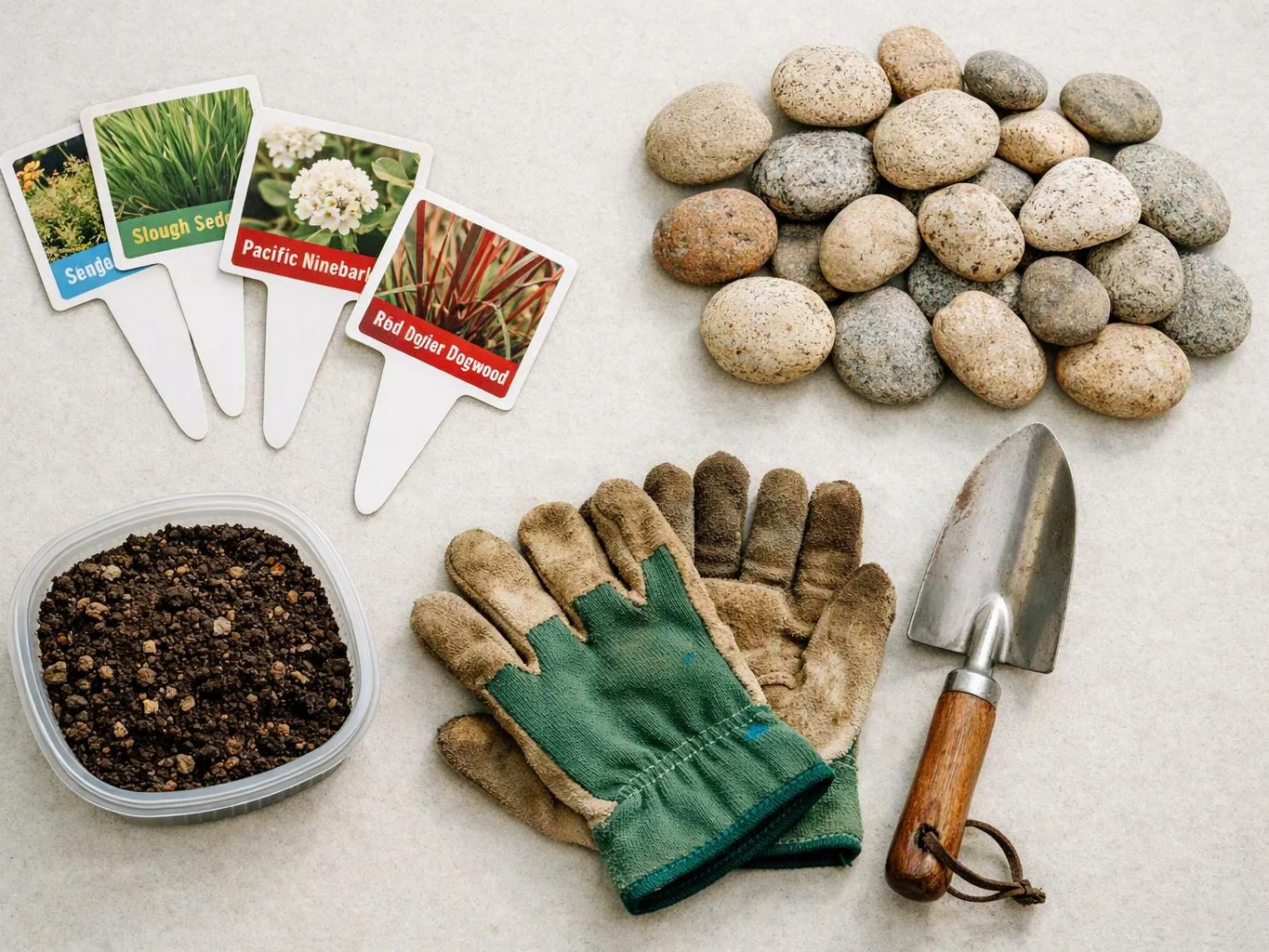
Garden tools, plant markers, gloves, soil, and smooth stones are arranged on a light surface

ZIP Codes We Serve in Kent, Washington

98030980319803298035980429806498089
(425) 587-8011