Which soil improvements help plants handle dry conditions?
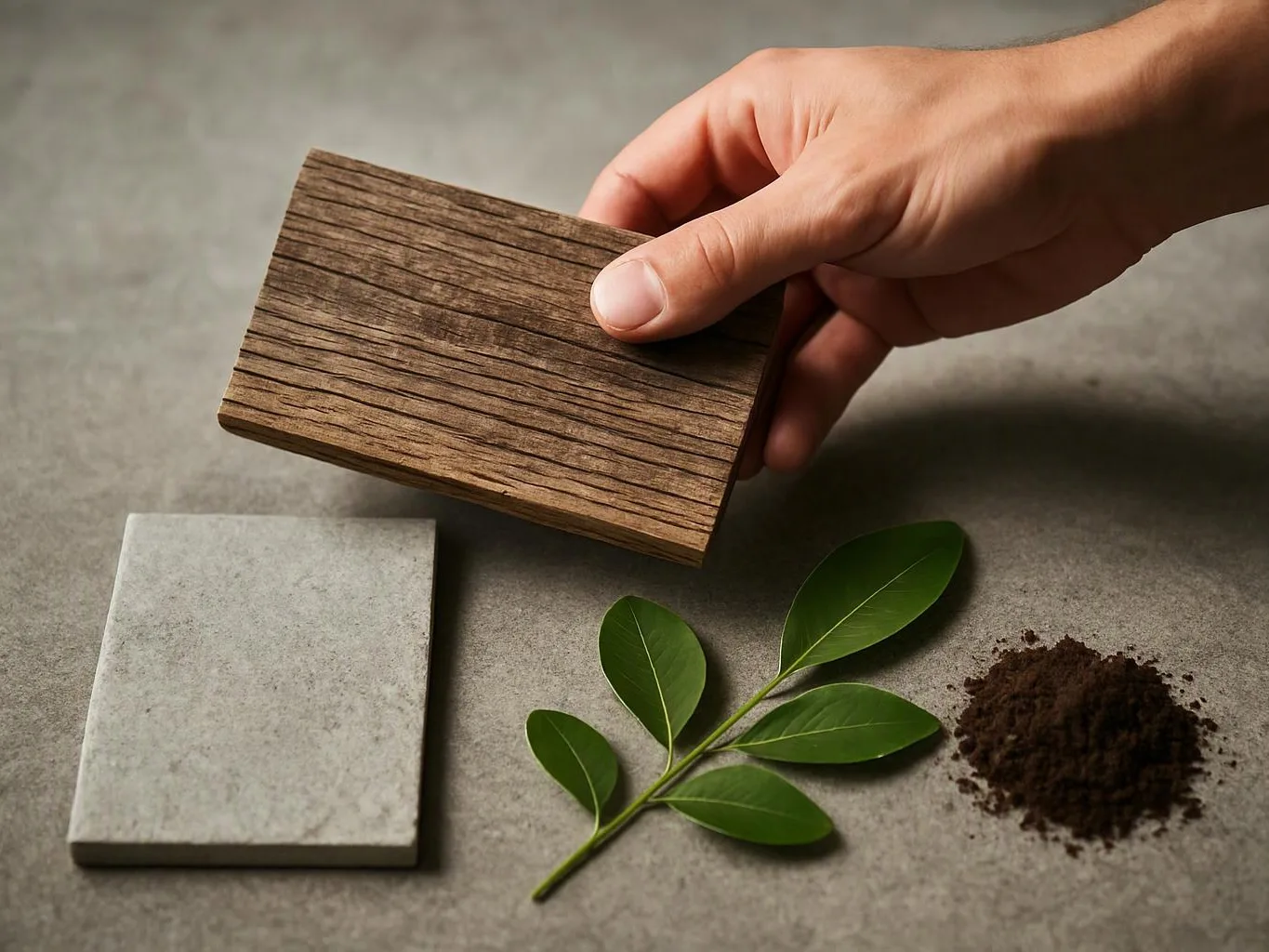
Soil testing identifies whether compost amendments, organic mulch, drainage changes, or water-retention work best fit dry conditions. Soil texture affects how water moves and how roots grow. We review the planting area, slope, and existing drainage before recommending a mix. The final plan connects those improvements to the plants and construction around them.
How do I know if my property needs this service?
Uneven drying, compacted soil, poor drainage, and failing planting areas show that a soil and water plan could help. Site conditions matter more than the lawn's appearance alone. We review the affected areas and separate soil work from repairs or maintenance. Regular maintenance still matters after installation, especially while new plants establish.
What decides the price of soil improvements?
The soil area, amendment depth, access, drainage needs, mulch quantity, and related construction decide the quote. A small planting bed has different needs from a full lawn conversion or outdoor living project. We review the property and explain the included work before providing upfront pricing. Request a quote with photos and your project goals.
When should I request a planting and soil consultation?
Request a consultation before ordering plants or removing a lawn when soil condition could change the design. Early planning lets us connect soil work with drainage, paths, walls, patios, and lighting. Seasonal timing can affect installation choices, but the site review comes first. We can discuss the scope and prepare a quote from the property details.
Who provides the design and construction work for Drought-Tolerant Landscaping?
LandscaperIssaquahwa.com provides landscape architect-led design and construction for these outdoor improvements. Our work can include planting plans, soil amendments, mulch, drainage, retaining walls, walkways, patios, and lighting. Adam Gorski studied Landscape Architecture at Cornell University, and the company uses a design-to-build process. The scope is set after reviewing the property.
Why can a dry planting bed still need drainage work?
A dry planting bed can still have poor drainage when compacted soil or slope sends water away from roots. Surface dryness doesn't show how water moves below the surface. We look at grade, soil structure, and nearby hardscaping before choosing drainage or water-retention work. This check helps prevent the wrong soil fix.
For Drought-Tolerant Landscaping, what should I prepare before requesting a quote?
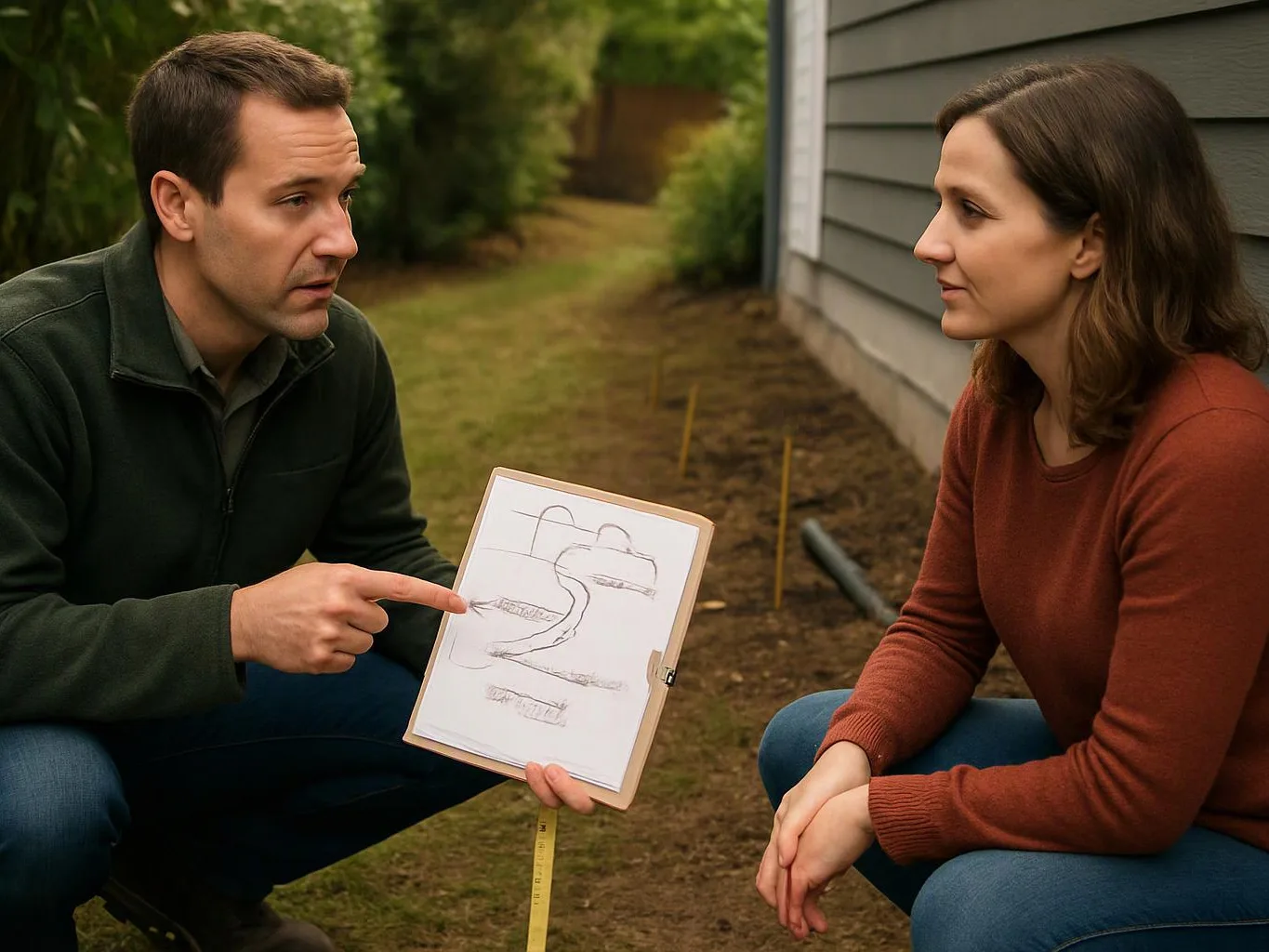
Property photos, the main problem area, project goals, and any existing plans help us understand the request. Include views of planting beds, lawn areas, slopes, patios, walls, and drainage trouble spots. We can then discuss the design-to-build scope and the materials that may be involved. A site consultation gives the quote more useful context.