Skip to content

Rain Garden Installation in Seattle, Washington

In Seattle, we focus on practical, well-documented outcomes matched to your needs.

5 · 36 Reviews29 Years in BusinessUpfront, Transparent PricingServing 95 Communities

Quick Summary: Rain Garden Installation in Seattle, Washington

Rain garden installation in Seattle is provided by LandscaperIssaquahwa.com for homeowners throughout King County and nearby Eastside communities. The service covers site review, drainage design, planting plans, and construction through a landscape architect-led design-to-build process.

  • What we do: LandscaperIssaquahwa.com provides Rain Garden Installation in Seattle, with site planning for runoff flow, soil, slope, drainage, planting, and construction.
  • What is included: Key capabilities include site assessment, custom planting plans, drainage-focused design, material selection, and coordinated landscape construction.
  • What you get: The property receives a planned rain garden that manages runoff through a shaped basin, planted edge, and suitable drainage path.

How does a rain garden manage stormwater when runoff keeps collecting on a property?

An overflow outlet helps a rain garden manage stormwater by directing excess flow after the basin receives runoff. The basin slows water, soil allows infiltration, and plants help hold the surface together. We inspect drainage paths and site grades before choosing the layout. A rain garden needs a suitable location, so another drainage solution may fit better when the ground cannot accept the planned flow.

Our Track Record

Years in Business
29
Average Rating
5
Customer Reviews
36

Rain Garden Installation in Seattle for Runoff Control

Rain garden installation creates a planted basin for runoff from hard surfaces such as roofs, patios, and walkways. The work suits property owners who want a designed drainage feature that also fits the wider yard plan.

The main decision is whether the site can support infiltration and safe overflow. We inspect soil, slope, drainage paths, and access, then explain whether a rain garden is the right fit or whether another drainage design should be considered.

This page focuses on stormwater work, not a general backyard remodel. The design may connect with planting plans, walkways, retaining walls, lawn installation, and other outdoor improvements when those features affect water movement.

  • Check where runoff enters and leaves the property.
  • Review soil, slope, drainage paths, and site access.
  • Plan the basin shape, planted edge, and overflow route.
  • Coordinate the rain garden with nearby planting and hardscape.
  • Request a quote based on the site and chosen scope.
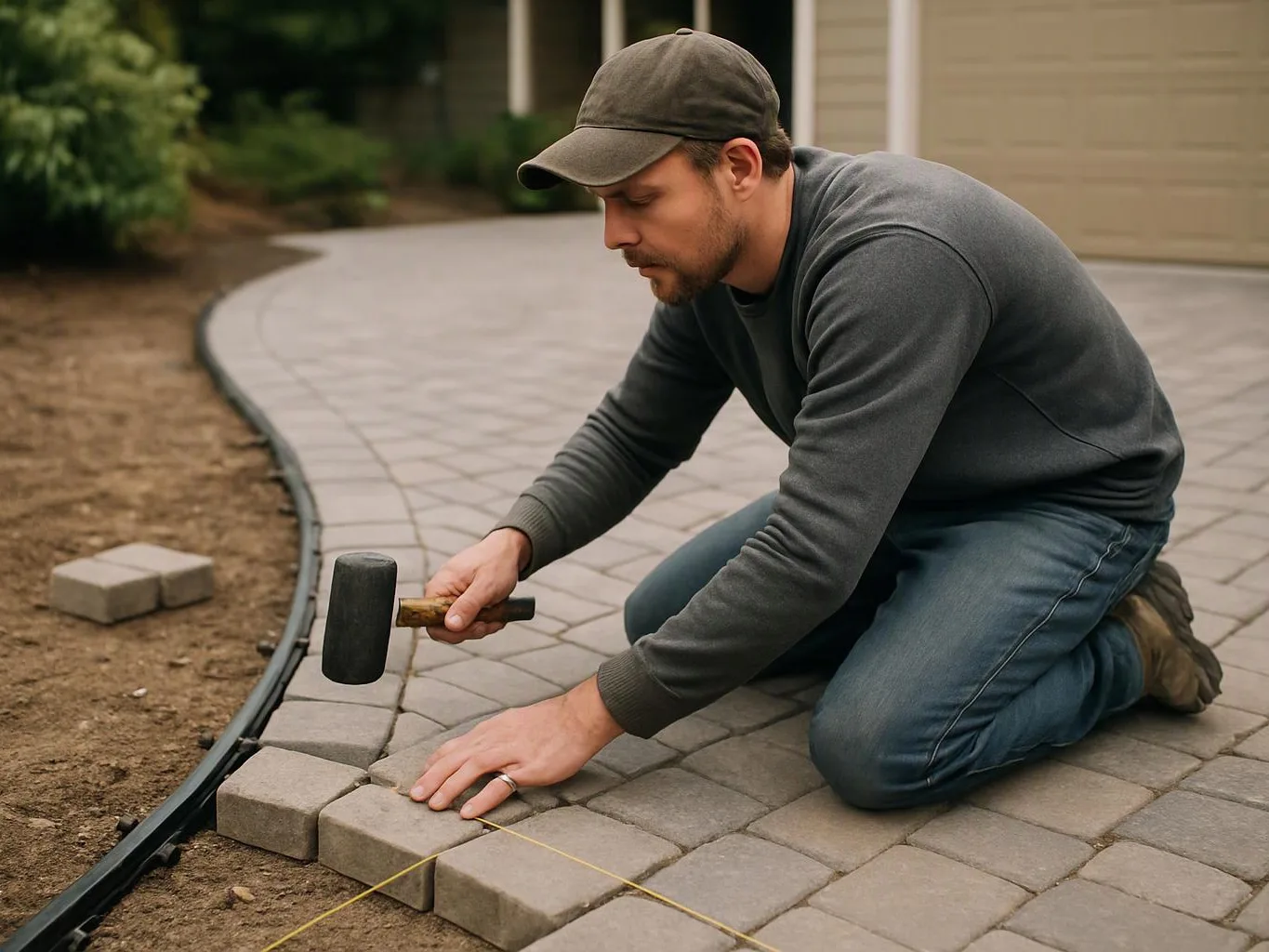
A man kneels on a driveway, tapping paving stones into place with a rubber mallet

Service Overview

Rain garden installation is a planted drainage feature that collects, slows, and filters runoff before water moves through the soil.

  • A rain garden differs from a standard planting bed because its basin, soil profile, and drainage path are planned for stormwater.
  • Rain garden installation covers Seattle homes and properties throughout King County and nearby Eastside communities.

What a Planted Drainage Feature Changes

A shaped basin gives runoff a defined place to collect instead of leaving water to spread across the yard.

Plant roots and suitable soil help slow surface flow and support infiltration.

A rain garden can join drainage planning with custom planting and the wider outdoor design.

Seattle homeowners receive a site-specific plan instead of a planting bed chosen without drainage review.

What Rain Garden Installation Includes

LandscaperIssaquahwa.com provides comprehensive Rain Garden Installation in Seattle. Here's what you get:

  • We assess soil, slope, drainage, and access before developing the site plan.
  • We design the rain garden basin and connect it to the property's drainage flow.
  • We plan the planted edge so vegetation supports the feature and fits the yard.
  • We review the overflow route and explain how excess water should leave the basin.
  • We select materials and planting details as part of the design-to-build process.
  • We construct the approved work and coordinate it with related landscape improvements.
Process

How We Build a Rain Garden

1

Inspect the site and trace runoff

We review soil, slope, drainage paths, existing hardscape, and access to understand how water reaches the proposed garden.

2

Shape the infiltration basin

The basin layout sets the collection area and connects the garden to the property's planned water flow.

3

Plan the planted edge

The planting plan places vegetation around the basin so the feature supports drainage and the wider landscape design.

4

Choose the drainage path

We determine whether the design needs an underdrain system or another controlled route for water leaving the basin.

5

Review the scope and quote

We explain the proposed work, material choices, construction needs, and upfront price before the project moves ahead.

6

Complete the installation

Our construction team builds the approved rain garden and coordinates related landscape work included in the project.

Rain Garden Installation Decisions That Matter

Landscape architect-LED site planning

The design starts with soil, slope, drainage, and access so the rain garden fits the property. A rain garden is the wrong job when the site cannot safely accept or redirect the planned water flow.

Design-to-build coordination

Planting plans, material choices, basin form, and nearby hardscape are considered together. This helps keep the drainage feature connected to the wider yard design.

Clear project communication

We explain the proposed layout, construction scope, and drainage path before work begins. Our team includes experienced landscape professionals, and Adam Gorski studied Landscape Architecture at Cornell University.

Rain Garden Fit Compared With Other Drainage Work

This table compares common drainage approaches by the property condition they are designed to address.

Drainage approachBest fitMain design focus
Rain gardenRunoff that can reach a planted basinInfiltration, planting, and controlled overflow
Underdrain systemA basin that needs controlled subsurface flowPipe route, outlet, and soil drainage
Grading and surface drainageWater that needs a changed surface pathSlope, collection points, and safe discharge

Our Standard

  • Clear Communication
  • Project Scope
  • Tailored Recommendations
  • Schedule Management

Customer Reviews for Rain Garden Installation in Seattle

5(36 Customer Reviews)View our Google Business Profile
Chris Rowland
Chris Rowland
8 months ago
Verified on Google
Adam Gorski Landscapes truly stands out for the amazing projects they deliver in North Bend and Snoqualmie. Their work transforms spaces in ways that feel both natural and breathtakingly professional, creative, and always exceeding expectations. Couldn’t be happier with the results! Highly recommend Adam and his team for any landscaping needs in the area.
Virginia Willkens
Virginia Willkens
8 months ago
Verified on Google
Adam Gorski Landscapes is top notch. He collaborates with each customer to create the perfect environment for their needs. Quality and creativity are foremost in design and completion of each project.
B Spence
B Spence
8 months ago
Verified on Google
Adam and his team transformed our front yard, and the results exceeded our expectations. What started as a space overdue for updating is now a bright, well‑designed landscape with vibrant flowers that looked great all summer. We also really appreciate the reduced lawn area, which has made upkeep much easier. The project was completed in just a few days and included the installation of a new underground sprinkler system. Adam’s crew was courteous, detail‑focused, and consistently left the work area clean and organized at the end of each day. We’re extremely pleased with the finished product and wouldn’t hesitate to recommend Adam and his team.

Questions About Rain Garden Installation

How does an overflow outlet control stormwater in a rain garden?

An overflow outlet directs excess water away when the basin reaches its planned capacity. The basin first slows runoff, while soil and plants support infiltration. We review the outlet path during design so water does not move toward structures or main walkways. The correct route depends on the site's grade, drainage layout, and connection to the rest of the property.

What does the first site inspection check?

The first inspection checks soil, slope, drainage flow, access, and nearby landscape features. We trace where runoff starts and where it collects before drawing the basin. Downspouts, patios, walkways, retaining walls, and planting beds can all affect the layout. These findings help decide whether a rain garden fits the property and what the quote should include.

Which site conditions can change the project price for Rain Garden Installation?

Site access, soil work, drainage connections, basin construction, planting, and related hardscape can change the project price. A steep or difficult-to-reach area may require a different construction approach. We review those conditions during the consultation and provide upfront pricing for the agreed scope. The quote should identify the work included, not just the planting portion.

When is a rain garden the wrong drainage choice?

A rain garden is the wrong choice when the site cannot safely accept, hold, or redirect the planned runoff. Poor soil, limited space, unsafe overflow paths, or conflicts with structures can affect the fit. We inspect those conditions before recommending the basin. Another drainage design may suit the property when infiltration is not workable.

Why connect a rain garden with a planting plan?

A planting plan helps the drainage feature fit the yard and support the basin's function. Plant selection, bed edges, nearby paths, and maintenance needs should work together. We include rain garden planting within the wider design when the project calls for it. Regular maintenance also helps keep plants and drainage areas usable over time.

Who provides this drainage and planting service?

LandscaperIssaquahwa.com provides rain garden installation through a landscape architect-led design-to-build process. Our team reviews site conditions, selects materials, plans planting, and handles construction within the agreed scope. Adam Gorski studied Landscape Architecture at Cornell University, and the company serves homeowners throughout King County and nearby Eastside communities.

How should I prepare for a rain garden consultation?

Property photos, drainage concerns, downspout locations, access notes, and existing landscape plans help prepare for the consultation. Mark spots where water pools or crosses paths, and note any retaining walls or patios nearby. We use that information with the site review to discuss the drainage layout and prepare a quote.
Contact

Request a Rain Garden Installation Quote in Seattle

Request a quote for rain garden installation in Seattle. We’ll review your drainage concern, discuss the site, and explain the first design steps after you reach out.

Two men shape a dirt garden bed with a rake and string beside a house lawn

ZIP Codes We Serve in Seattle, Washington

59 ZIP codes — show all
9810198102981039810498105981069810798108981099811198112981139811498115981169811798118981199812198122981249812598126981279812998131981339813498136981389813998141981449814598146981489815498155981589816098161981649816598166981689817098174981759817798178981819818598188981909819198194981959819898199

Rain Garden Installation in Other Areas

(425) 587-8011